
Last updated November 22, 2026
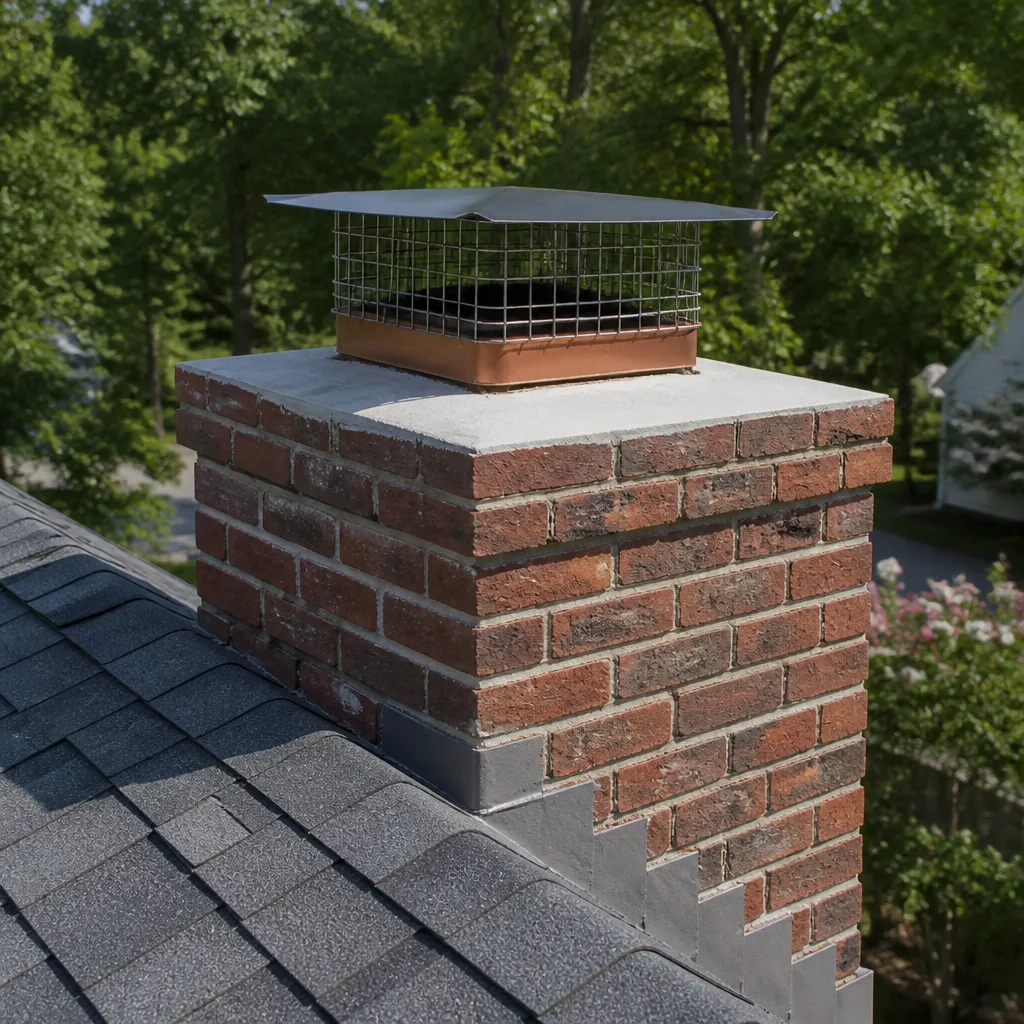 Sweep & inspection
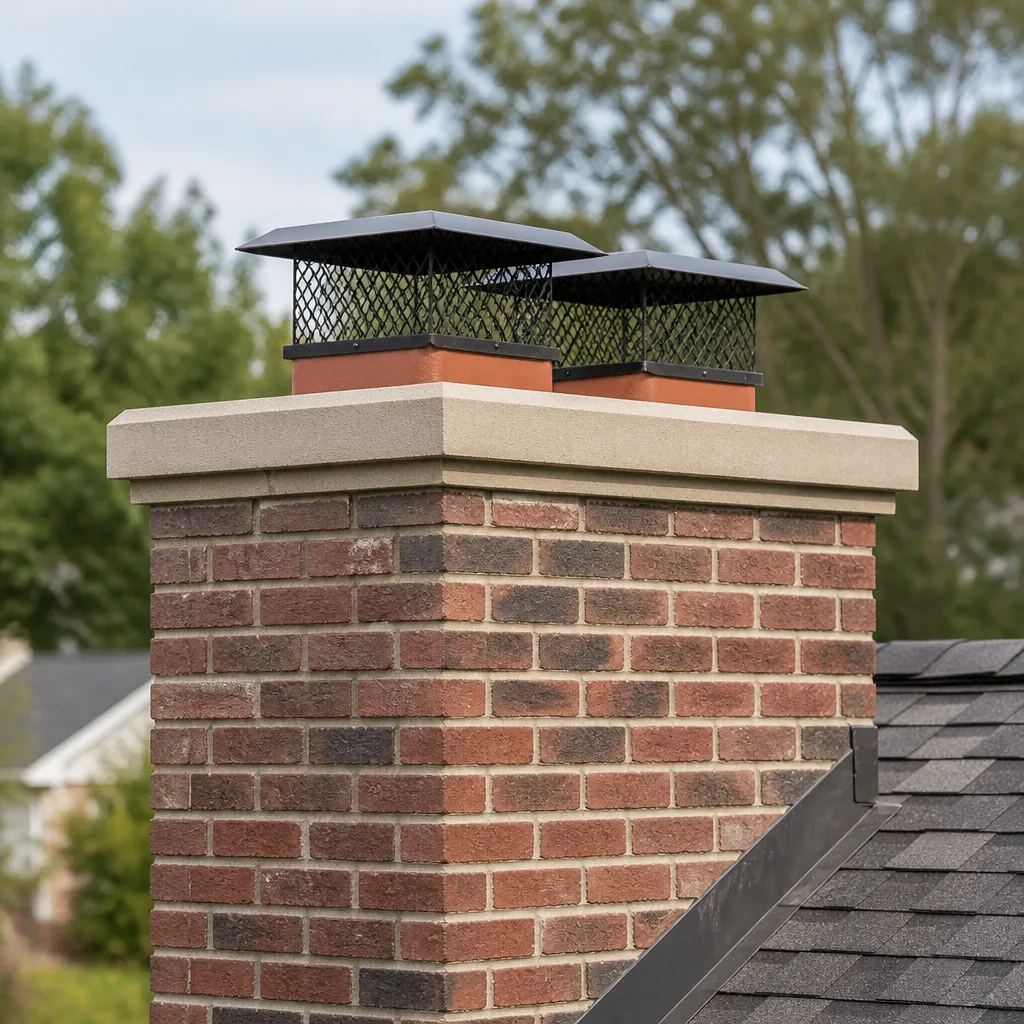 Caps & crowns
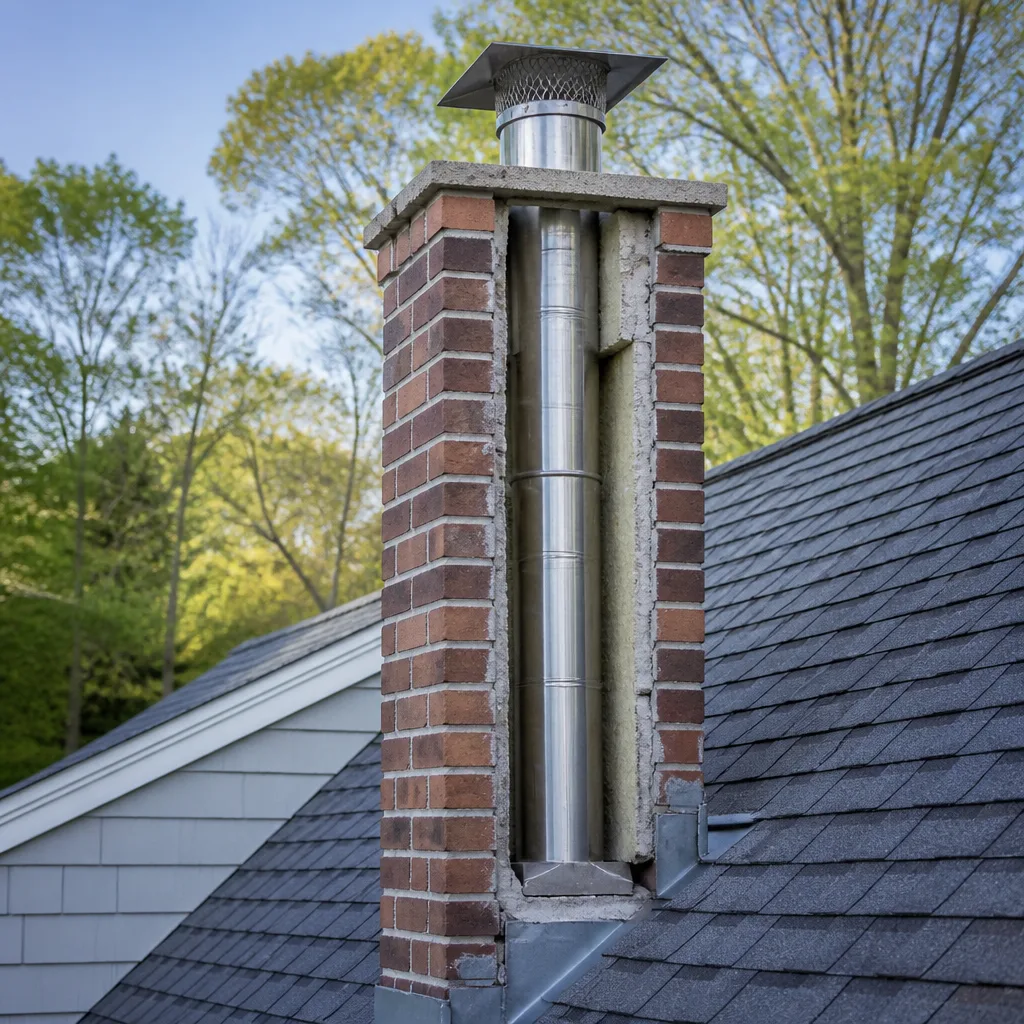 Flue relining
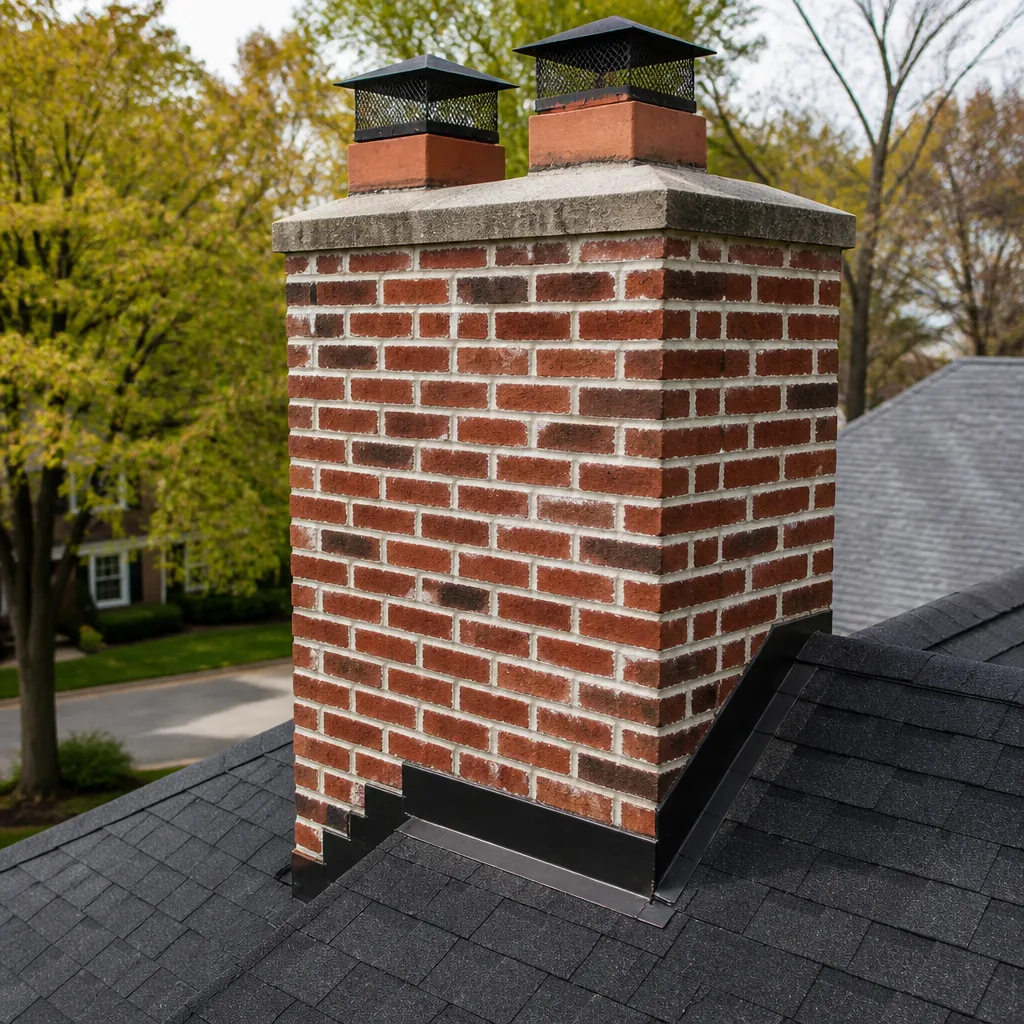 Masonry repair
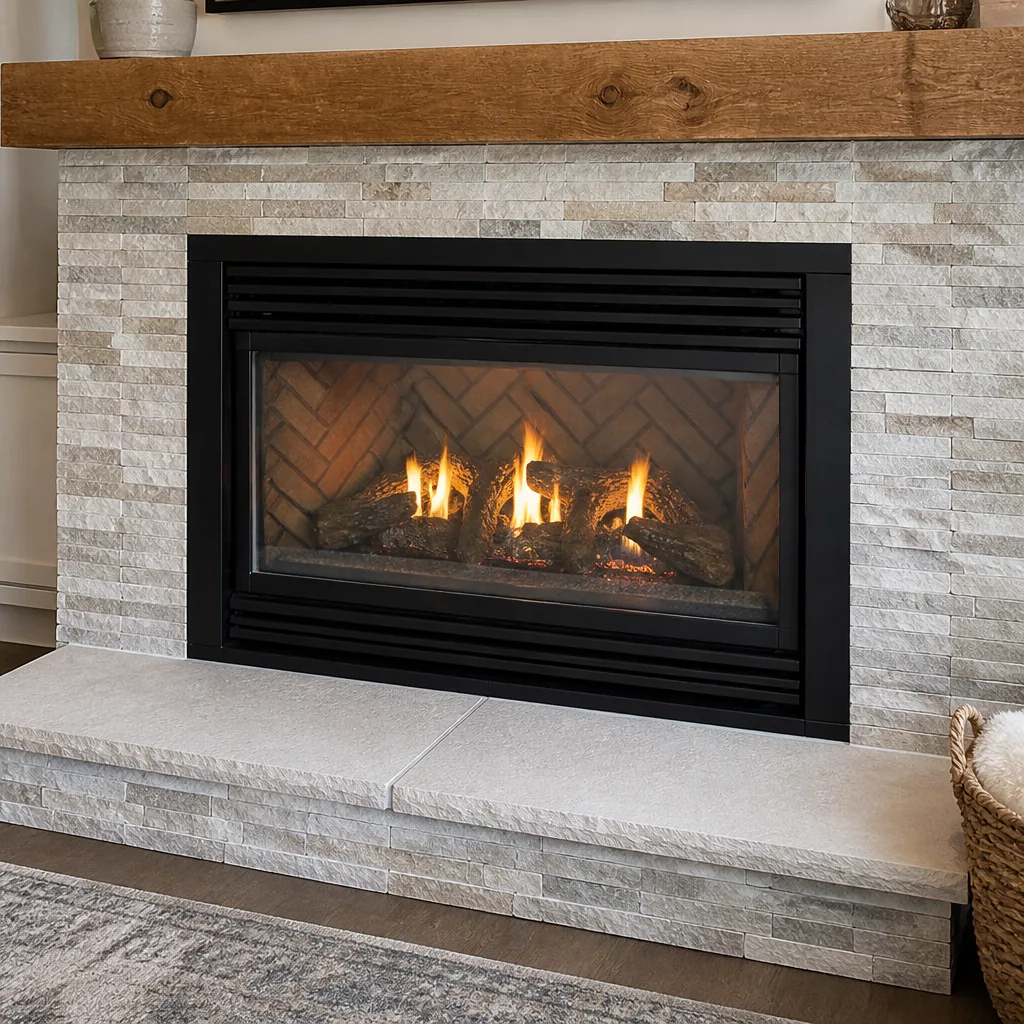 Gas fireplace service
Level 1 sweep and inspection to the NFPA 211 annual standard - flue, crown, cap, and flashing checked and photographed
Chimney sweep logs do not sweep chimneys. They loosen some creosote - which then falls where a brush and vacuum still have to collect it.
How to Hire a Chimney Cleaning Contractor in Westchester: A Step-by-Step Guide
A brush, a shop vac, and a truck wrap are all it takes to call yourself a chimney sweep in California. There’s no statewide license for the trade, no exam you must pass, no minimum equipment list anyone enforces. That means the gap between a qualified sweep and an unqualified one is enormous, and you usually can’t see the difference from the driveway. The person who shows up might know flue geometry, combustion byproducts, and how to read a cracked crown – or they might be a generalist with a ladder and a credit card reader. This guide walks you through the specific vetting steps that filter out underskilled contractors before they’re inside your home, written from Westchester, where mild winters and older housing stock make the stakes a little different than the national advice you’ll find online.
Styles & brands we work with
- Sweep & inspection
- Caps & crowns
- Flue relining
- Masonry repair
- Gas fireplace service
Quick Answer
To hire a chimney cleaning contractor in Westchester, verify current CSIA certification directly through the Chimney Safety Institute of America rather than trusting a logo, ask exactly what the inspection covers and what you’ll receive in writing, and insist on a written scope of work with itemized pricing before anyone touches your flue. A qualified sweep arrives with professional-grade rotary equipment, performs a camera inspection, and gives you a report you can read and question. If any of those three things is missing, keep calling.
Table of Contents
- Why Chimney Hiring in Westchester Is Different
- Step 1: Verify CSIA Certification (And Verify It Yourself)
- Step 2: Ask the Right Questions About the Inspection
- Step 3: Read the Pricing Signals Correctly
- Step 4: Know What a Qualified Sweep Arrives With
- Step 5: Evaluate the Written Report Before Approving Work
- Step 6: Judge the Materials, Not the Sales Pitch
- Common Mistakes to Avoid
- When to Call a Professional
- Frequently Asked Questions
- The Bottom Line
Why Chimney Hiring in Westchester Is Different
Westchester sits in a coastal Southern California climate where winters are mild and fireplaces get used in bursts – a few cold evenings in December and January, then months of disuse. That pattern creates a specific problem. A chimney that sits idle for most of the year accumulates creosote and debris slowly, and because the fireplace isn’t running constantly, problems go unnoticed longer than they would in a colder climate. By the time a homeowner in Westchester thinks about a sweep, the flue may have glazed creosote, a deteriorated crown, or water intrusion that’s been quietly working on the masonry.
The other local factor is housing age and variety. Westchester has a wide mix of housing stock, from mid-century ranch homes to newer construction, and each brings different chimney configurations. A masonry fireplace with clay tile liners needs different handling than a prefabricated metal system. A sweep who only knows one type will either bluff or upsell. The Westchester Chimney Sweep Pros angle here is simple: a specialist works across both, and a generalist contractor usually doesn’t.
Because the trade is lightly regulated in California, the burden of verification falls on you. The good news is that the vetting takes about five minutes of research and a handful of pointed questions. The rest of this guide walks you through both.
Step 1: Verify CSIA Certification (And Verify It Yourself)
CSIA certification is the closest thing the chimney trade has to a meaningful credential. The Chimney Safety Institute of America certifies sweeps after they pass an exam and commit to a code of ethics. But certification can lapse, and a logo on a website or truck proves nothing. You have to check it yourself.
Here’s the verification process, in order:
- Get the technician’s name and company. Ask who will actually be at your home, not just the company name. Certification attaches to individuals, not companies.
- Look them up on the CSIA website. The CSIA maintains a searchable directory of currently certified sweeps. If the name doesn’t appear, certification has lapsed or never existed.
- Ask for the certification number and check it against the directory. A current number should match a current listing.
- Ask when the certification was last renewed. CSIA certification requires renewal. A sweep who can’t tell you when they last renewed is probably not current.
If a company claims “CSIA-trained” rather than “CSIA-certified,” that’s a meaningful difference. Training is a course. Certification is an exam plus ongoing renewal. Both have value, but only one is verifiable in a directory.
What to do if certification doesn’t check out
Ask whether another technician on the team is certified, and whether that person will be the one doing the inspection. A company can have one certified sweep and several helpers, which is normal in the trade. What matters is that the person assessing your chimney knows what they’re looking at. If no one on the team can produce a current certification, that’s your answer.
Step 2: Ask the Right Questions About the Inspection
The inspection is where the real differentiation happens, and vague answers reveal a lot. The CSIA recognizes three inspection levels, and a qualified sweep should be able to tell you which level is appropriate for your situation and why.
Ask these questions before booking:
- “What level of inspection will you perform, and what does it include?” Level 1 is a visual check of accessible components. Level 2 adds a camera inspection of the flue interior and is standard when you’ve changed appliances, had a chimney fire, or bought a home. Level 3 involves opening walls or masonry and is used when hidden areas need assessment. A sweep who can’t name the level is guessing.
- “Will you use a camera, and will I see the footage?” A camera inspection is how a sweep confirms what’s actually inside the flue – cracks, gaps in tile joints, heavy creosote, debris. If they don’t use one, you can’t verify anything they tell you afterward.
- “What will the written report include?” Photos, described findings, and a clear recommendation with pricing. If the answer is “I’ll tell you when I’m done,” that’s not a report.
- “Do you also do the repair work, or do you refer it out?” Either answer can be fine, but you want to know. A sweep who refers out may over-recommend to avoid losing the job; a sweep who does everything may over-recommend for the opposite reason. Ask about the process for helping you decide.
- “How do you handle a chimney fire history?” If you’ve had a fire, the inspection needs to escalate to Level 2 with a camera. A sweep who shrugs this off is not paying attention.
Vague answers to any of these questions should make you slow down. Confidence plus specificity is the signal. Hesitation plus generalities is the warning.
Step 3: Read the Pricing Signals Correctly
Chimney pricing is where both ends of the market can mislead you. A suspiciously low quote is a warning sign, not a bargain. So is a quote that bundles a sweep with “necessary” repairs before anyone has looked at your flue.
Here’s how to read the signals:
- A price that’s dramatically lower than other quotes usually means something is being left out – the camera inspection, the written report, the proper equipment, or the time required to do the work correctly. Cheap sweeps tend to be fast sweeps.
- A price that includes repairs before inspection is a red flag. No one can know what your flue needs before looking at it. A quote that includes relining or crown work sight unseen is either guesswork or a sales tactic.
- Pressure to decide on the spot is a walk-away signal. Chimney work is rarely urgent in the sense that it can’t wait for you to think about it. If the technician is pushing same-day approval, the recommendation deserves scrutiny.
- A written estimate with itemized line items is the correct form. You should see the sweep price, the inspection price if separate, and each repair listed on its own with a clear description. If the estimate is a lump sum on the back of a business card, ask for a proper one.
- No charge for the estimate itself is standard in this trade. You should not be paying for the privilege of being quoted.
The written estimate sets the final price. That’s the piece to insist on. A verbal number is a starting point for negotiation; a written estimate is the basis for the work. Get it before anyone begins.
What about maintenance plans and bundles?
Some companies offer annual maintenance plans. There’s nothing wrong with them in principle, but they’re not a substitute for understanding what your chimney needs. Ask what’s included, whether it locks you into a specific provider, and what happens if you skip a year. If the answer involves “you lose your discount” or similar pressure, decline. Chimney maintenance should be scheduled on the chimney’s needs, not the calendar of a plan.
Step 4: Know What a Qualified Sweep Arrives With
The right equipment is a visible tell. A qualified sweep arrives prepared to do the whole job. A generalist contractor arrives with a ladder and a brush, and that’s about it.
Here’s what you should see or hear about when you ask:
- Rotary sweep equipment with proper rods and a power head. Hand-brushing is a partial job; rotary cleaning gets the flue walls properly scrubbed.
- A high-efficiency vacuum with HEPA filtration connected at the firebox, so dust doesn’t blow back into your living room. If they don’t have one, your furniture will tell you.
- A camera system for flue inspection. This is the difference between a guess and a finding.
- Drop cloths and protective floor covering. A sweep who doesn’t cover your floors is either inexperienced or in a hurry.
- Flashlight and hand tools for checking dampers, smoke chambers, and the firebox.
- A written report form or tablet for documenting findings. If they’re writing findings on a napkin, that’s not a report.
Ask about this when you call. “Do you use a camera for inspection?” and “What kind of vacuum do you bring?” are reasonable questions. A qualified sweep will answer without hesitation. A generalist contractor will often answer with a version of “we have everything we need,” which tells you nothing.
Step 5: Evaluate the Written Report Before Approving Work
The report is your leverage. It’s also the place where you’ll see whether the sweep actually inspected the chimney or just swept it and made a recommendation.
A proper written report should include:
- Date of service and level of inspection performed. This matters if you ever need to reference the inspection later.
- Description of the flue and components inspected. Tile liner, damper, smoke chamber, crown, cap, flashing – each should have a stated condition.
- Photographic evidence. Photos of the flue interior, the crown, and any specific finding. Photos matter because they’re how you verify what you’re being told.
- Findings with severity. “Minor crack visible at tile joint 4” is a finding. “Flue needs relining” without location or evidence is a sales line.
- Recommendations with itemized pricing. Each recommended repair should be listed separately with a price or price range.
- What can wait. A good report should tell you what’s safe to defer, and for how long. “Monitor the crown every year” is a valid recommendation.
Read the report before signing anything. Ask questions about anything you don’t understand. If a recommendation is not backed by photo evidence, ask for the photos. If the photos aren’t available, that’s your answer about how the inspection was conducted. Our approach on any chimney job is to show the finding on camera, explain what it means, and tell you plainly when something can wait. That’s the standard you should hold anyone to.
Step 6: Judge the Materials, Not the Sales Pitch
When repairs are actually needed, the difference between a specialist and a generalist becomes material – literally. Most generalist contractors stock what’s available at the local home improvement store. Chimney specialists work with professional-tier product lines that generalists don’t stock and often don’t know how to install.
Here’s what that looks like in practice:
- Flexible liners. Relining a flue for a gas, oil, or wood appliance takes a system designed for that application. DuraFlex flexible liner systems are one example of the professional grade. A generalist who “can get one” is not the same as a sweep who installs them regularly.
- Flue resurfacing. Deteriorated flue tile doesn’t always require a full reline. HeatShield is a resurfacing system that restores the flue’s inner surface when the tile is compromised but not beyond repair. It takes brand-specific training to apply correctly. Most sweep-only companies don’t offer it, and most generalists have never heard of it.
- Caps and crowns. These are the leading cause of chimney water intrusion, and they’re a named service for specialists. Gelco and Olympia Chimney are two brands a specialist will work with. A contractor who “can put a cap on” is not the same as someone who installs a proper one with correct clearances and flashing.
- Fireplace components. Damper assemblies, firebox panels, and hearth pieces are where generalists substitute generic parts for engineered ones. That substitution is invisible until it fails.
When a repair is recommended, ask what material will be used and why. A specialist can name the product and explain the application. A generalist will often say “the standard one” – which is a signal about how the work will go. We use the same materials chimney engineers specify, not hardware-store alternatives. That’s a standard you can hold us and anyone else to.
Common Mistakes to Avoid
- Trusting a logo without checking. The CSIA directory is public and free. Five minutes on the site tells you whether the certification is current. Skipping that step is how homeowners end up with an unqualified sweep inside their home.
- Accepting a verbal recommendation without photos. Any finding about your flue should be documented. If a sweep recommends thousands of dollars of work without showing you the evidence, ask for it. If it can’t be produced, the recommendation is not verified.
- Booking the cheapest quote without comparing scope. A low price often means a shorter inspection or a shorter sweep. Compare what’s actually included, not just the number. In Westchester, where fireplaces are used intermittently, a quick sweep that misses a glazed creosote deposit is worse than no sweep at all.
- Approving repairs before the report is in writing. The written scope is your protection. Don’t agree to work on the basis of a conversation at the firebox. Get it on paper, then decide.
- Assuming mild climate means no maintenance. Westchester’s mild winters are easy on the house but don’t slow creosote accumulation. The fireplace getting used less often doesn’t mean the flue is clean.
- Letting a generalist handle flue work. A handyman who can install a cap is not a specialist who understands clearances, flashing, and liner compatibility. When the work is inside the flue, hire the trade.
- Skipping the crown and cap conversation. Water intrusion is the most common cause of chimney damage in this region, and caps and crowns are the fix. If a sweep doesn’t inspect them, they’re missing the primary source of long-term cost.
When to Call a Professional
Some chimney work is a “wait and see” situation. Some is not. If you smell smoke in the house when the fireplace is running, if you see staining on the chimney exterior or the ceiling near it, if you’ve had a chimney fire, or if you’re buying a home with a fireplace that hasn’t been inspected recently, that’s a call-now situation. If your flue hasn’t been cleaned in over a year of regular use, that’s a schedule-it-soon situation. If you can’t remember the last time the chimney was looked at, start there.
Westchester Chimney Sweep Pros offers free estimates in Westchester – call (866) 490-9807. We answer 24/7. Fast dispatch from 7am to 7pm, Sunday through Friday.
Frequently Asked Questions
A standard chimney sweep in Westchester typically runs in the range you’d expect for a professional-grade service, and any quote should be itemized in writing before the work begins. The estimate is free and the final price is set by the written scope. Call (866) 490-9807 for an exact quote. Estimates are free.
Only if the camera shows a defect that compromises the flue’s ability to contain combustion gases or heat – and you should see the footage before agreeing. A liner that’s cracked, has gaps at the tile joints, or has lost structural integrity needs repair. A liner that’s discolored but intact may not. Ask for the photos, then decide. Call (866) 490-9807 for a free estimate if you’re unsure.
Once a year for an actively used fireplace is the standard recommendation, and more often if you burn regularly or notice smoke backdraft. Westchester’s mild climate means fireplaces sit idle for months, but that doesn’t slow creosote buildup – it just makes it less visible. Call (866) 490-9807 to schedule a sweep and get an honest read on your flue.
Creosote accumulates in the flue, and if it ignites, you have a chimney fire – which can damage the liner, crack tile, and in serious cases spread beyond the chimney. Carbon monoxide is the other risk: a blocked or damaged flue can let combustion gases back into the house. Neither is a scare tactic; both are the reason annual inspection is the baseline. Call (866) 490-9807 for a sweep and a camera inspection.
A general contractor can sweep a chimney, but usually without the camera equipment, professional vacuum, or material knowledge a specialist brings. The difference shows up when something is found – a cracked crown, a compromised liner, a damaged damper – and the generalist has to refer you out or guess at the fix. Hire the trade for the trade. Call (866) 490-9807 to book a specialist sweep.
Ask for the camera footage and the written report before approving anything. Every recommendation should trace back to a specific finding with evidence. If the recommendation can’t be shown, ask why. Our approach is to tell you what your chimney actually needs – and what it doesn’t. Call (866) 490-9807 if you want a second opinion on a recommendation you’ve already received.
The Bottom Line
Hiring a chimney sweep in Westchester comes down to verification. Check the CSIA certification yourself rather than trusting the logo. Ask what the inspection will include and what the report will say. Read the pricing signals – both suspiciously low quotes and pre-inspection repair bundles are warnings. Know what equipment a qualified sweep arrives with. Insist on a written scope with photo evidence before approving work. And when repairs are recommended, judge the materials and the process, not the pitch. A specialist will show you the finding, explain what it means, and tell you plainly when something can wait. That’s the standard to hold anyone to.
Westchester Chimney Sweep Pros handles the full chimney scope – chimney sweep, inspection, chimney cap & crown installation, fireplace repair, and chimney repair – as a specialist, not a generalist. One company from inspection to repair, no handoffs, no subcontractors. We work with professional-grade brands including DuraFlex, HeatShield, Gelco, and Olympia Chimney, and we’ll show you exactly what your chimney needs before any work begins. Call (866) 490-9807 for a free estimate. We answer 24/7. Fast dispatch from 7am to 7pm, Sunday through Friday.
Written by the team at Westchester Chimney Sweep Pros.
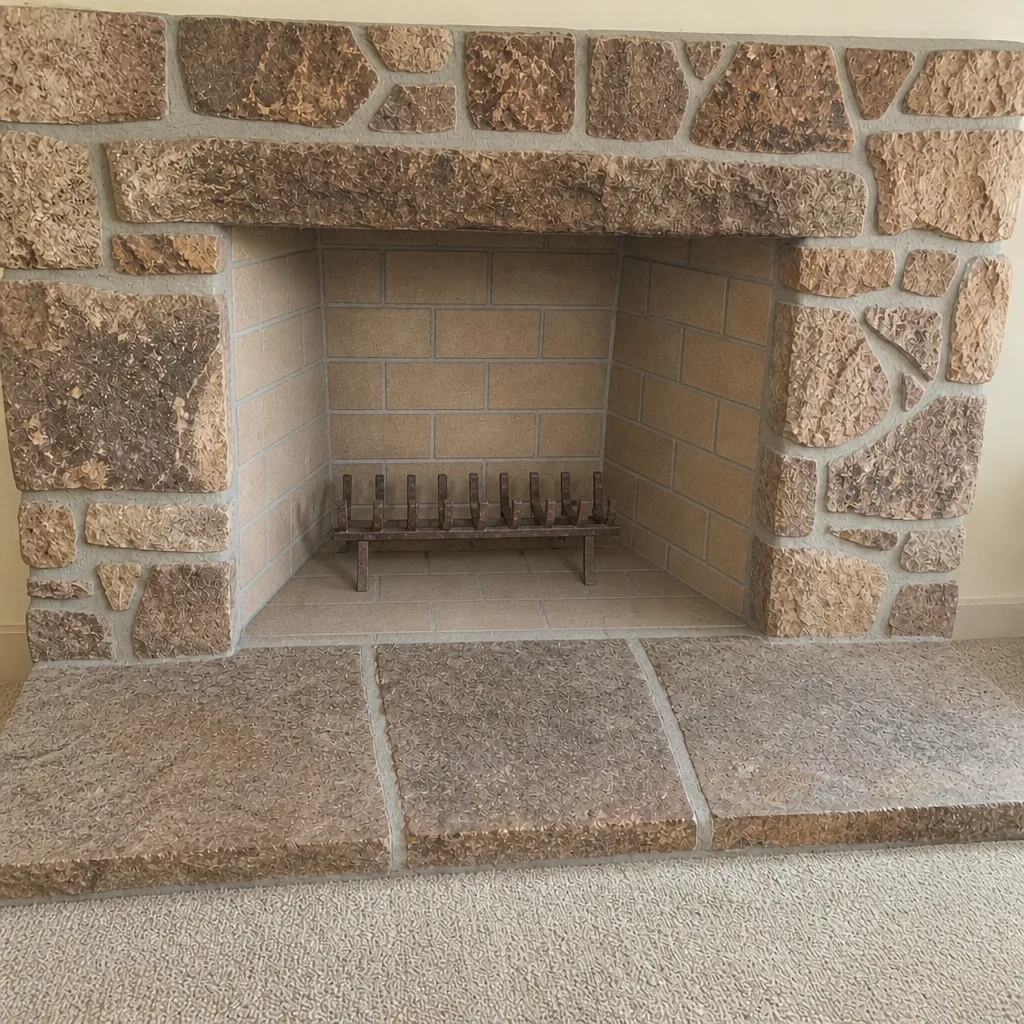
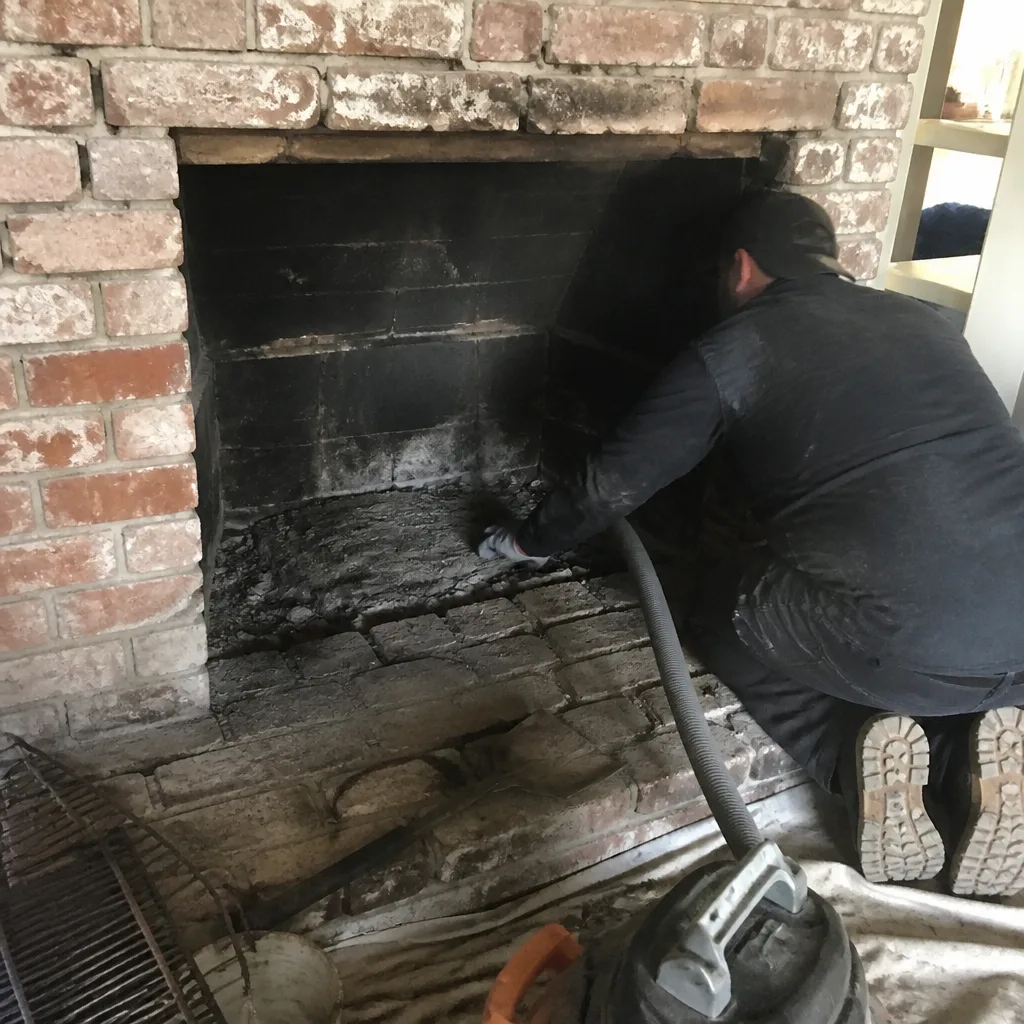
See the difference
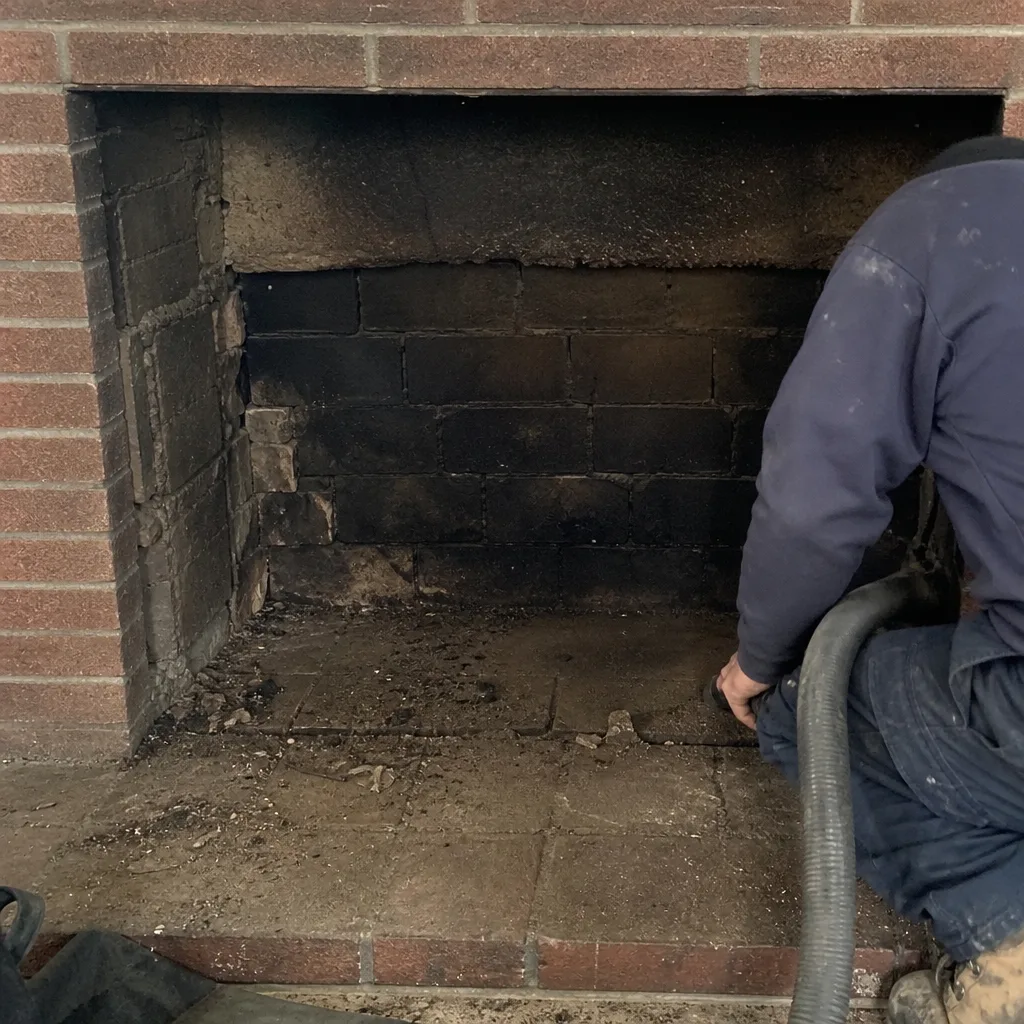 Before
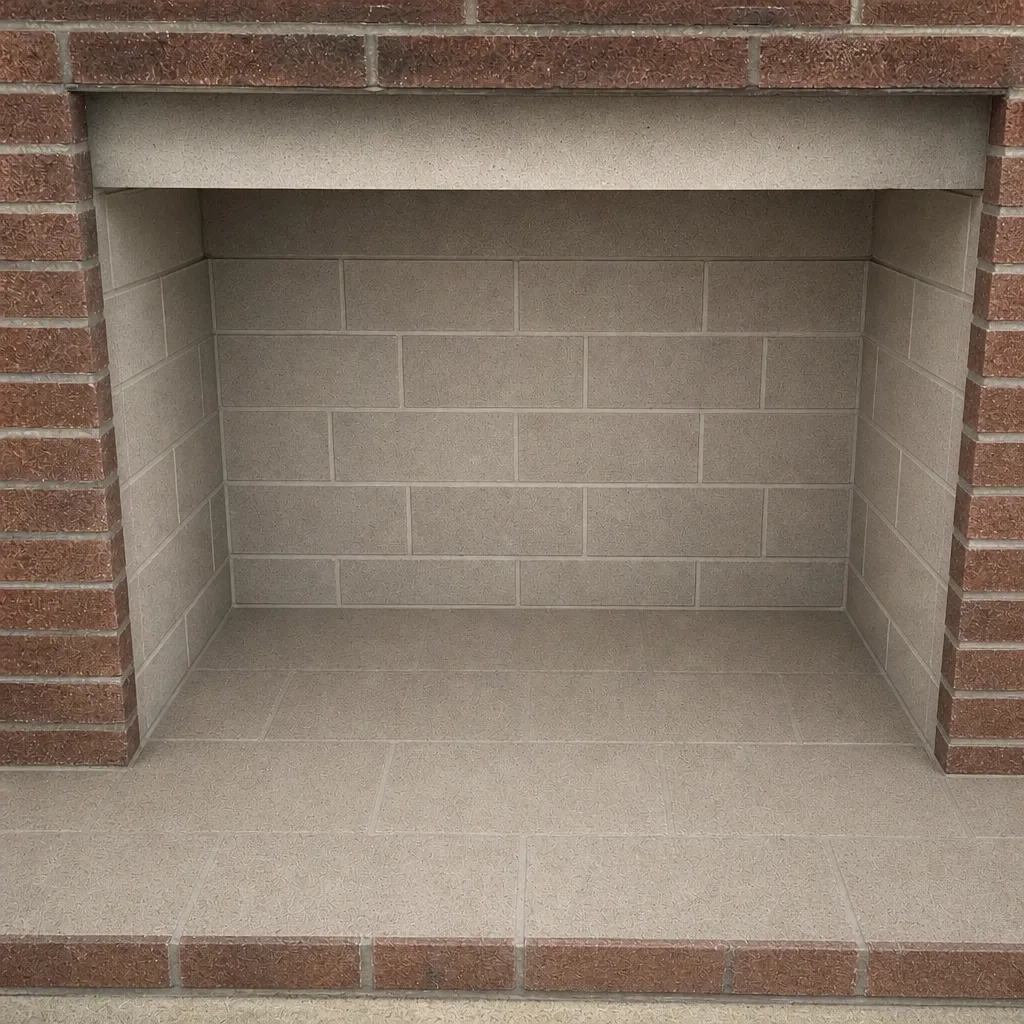 After
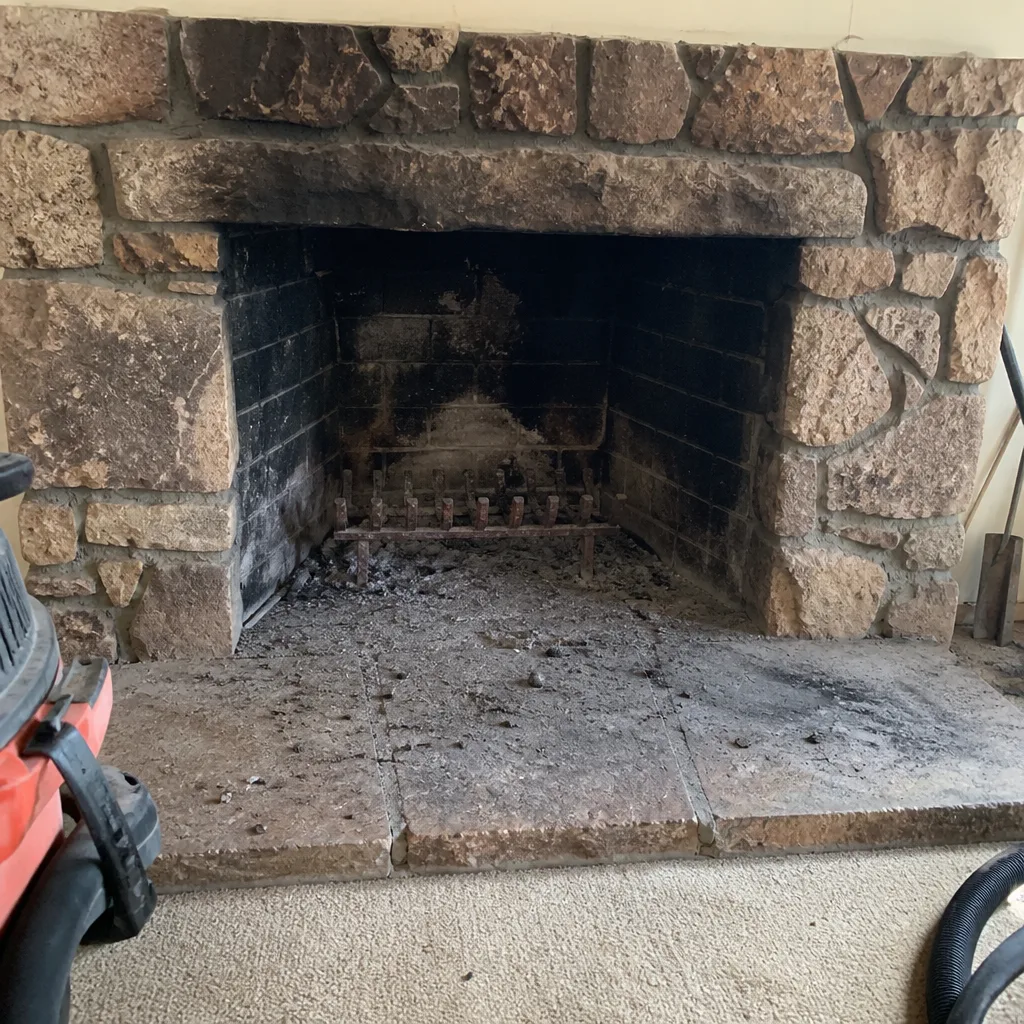 Before
 After
 Before
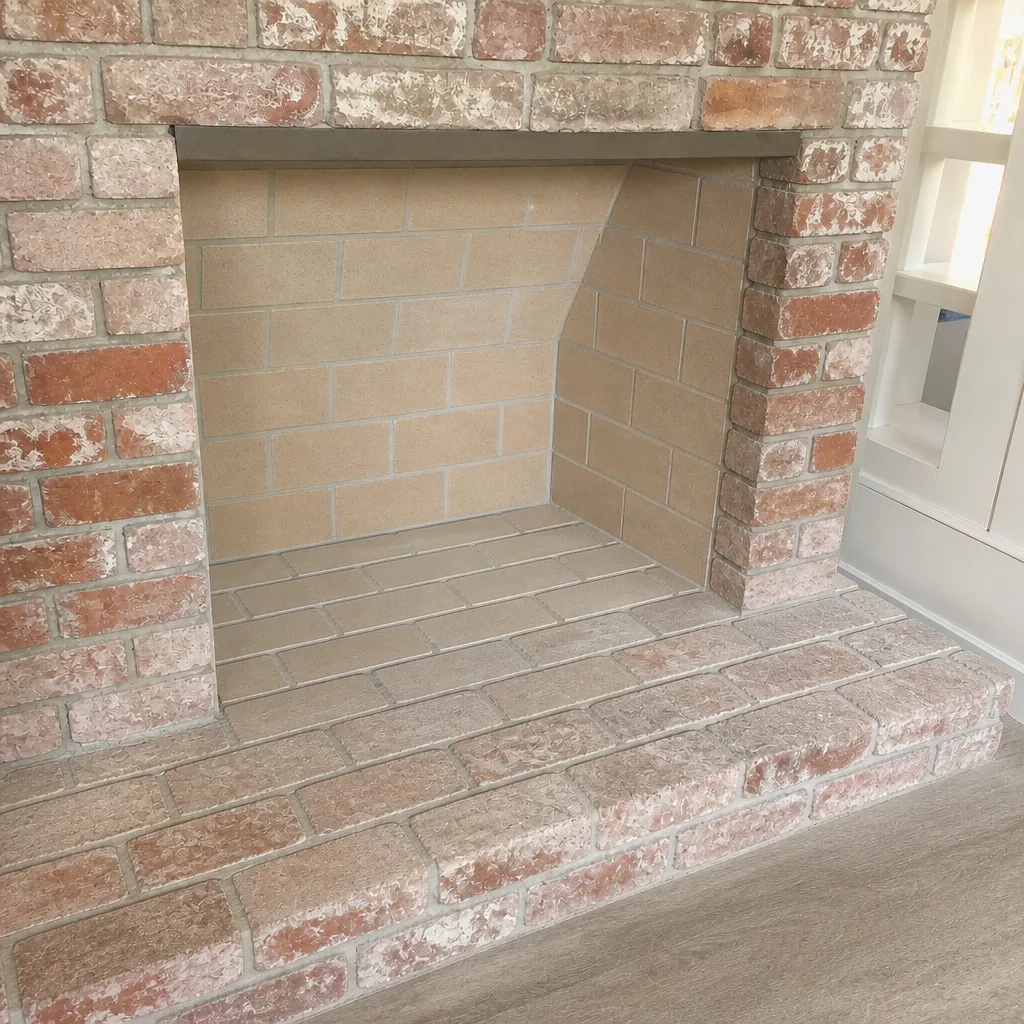 After