
Last updated November 22, 2026
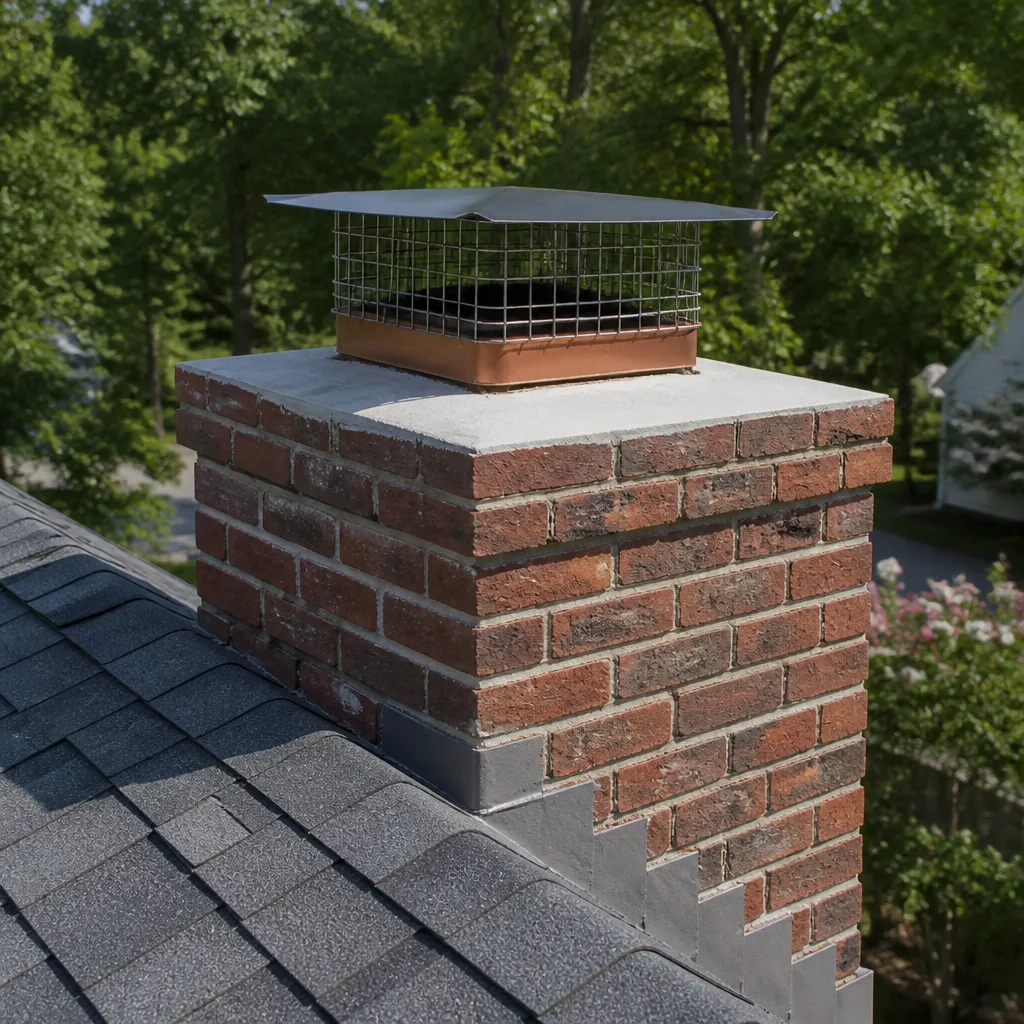 Sweep & inspection
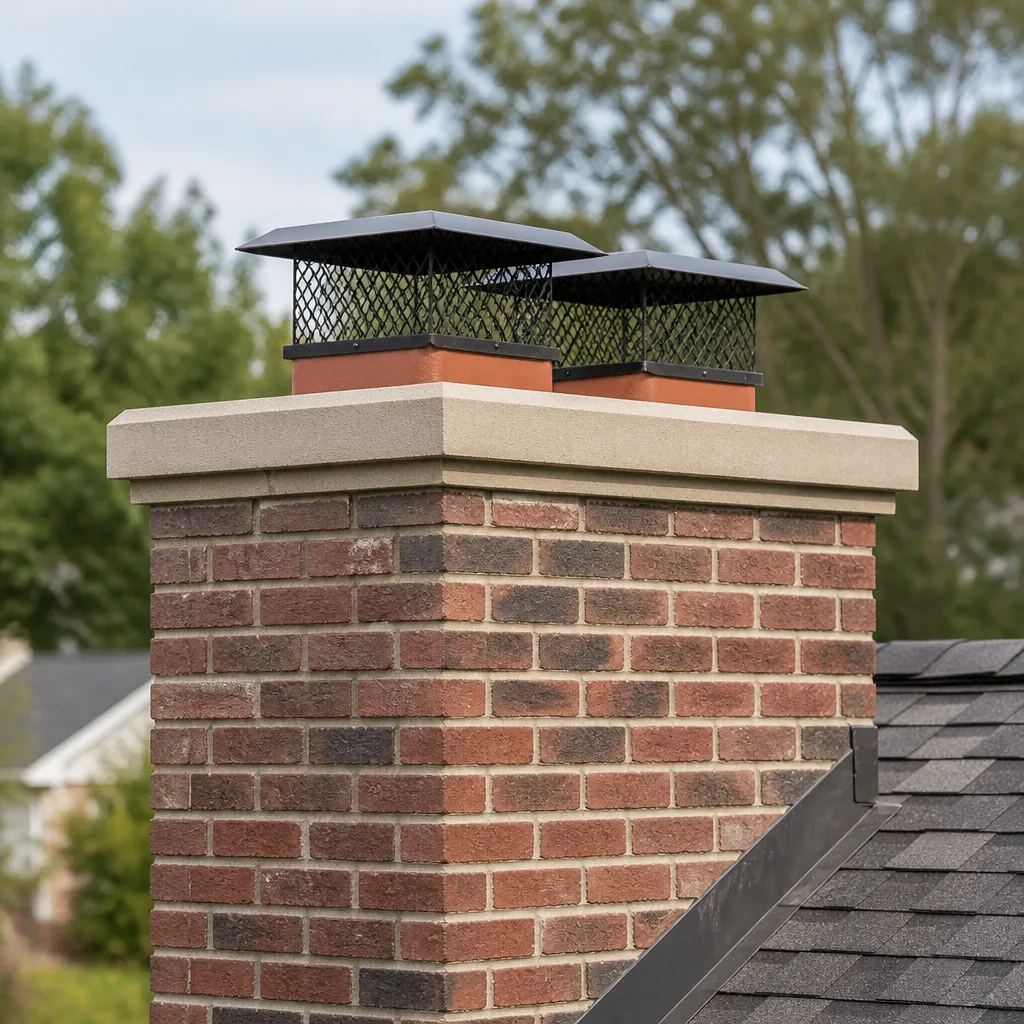 Caps & crowns
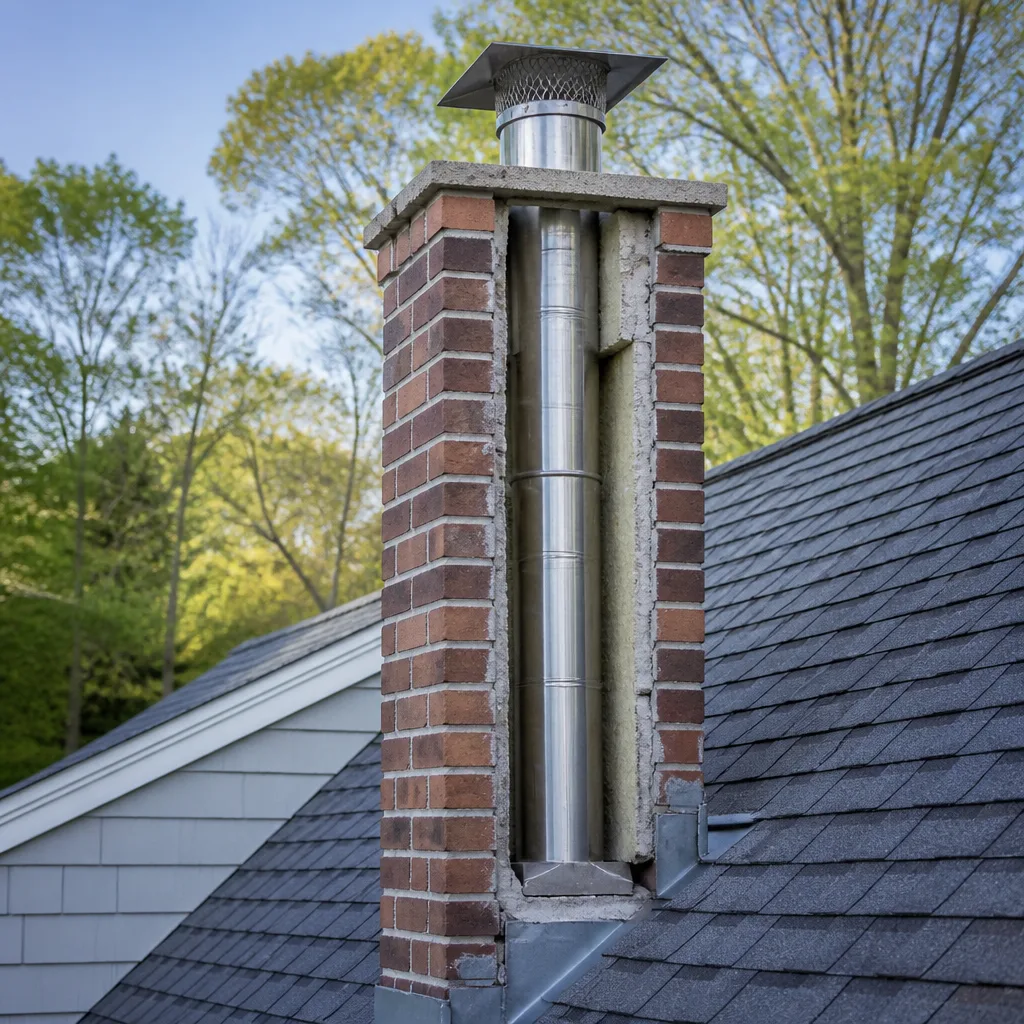 Flue relining
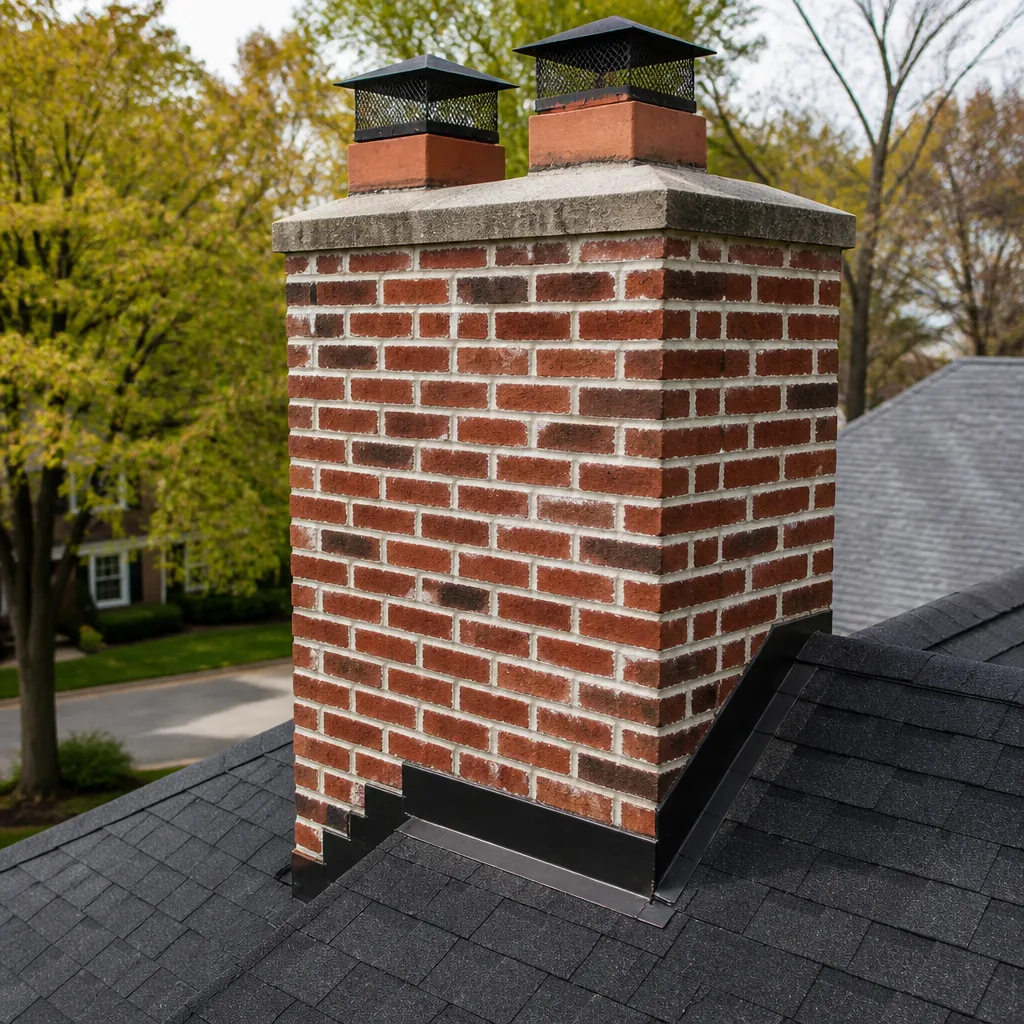 Masonry repair
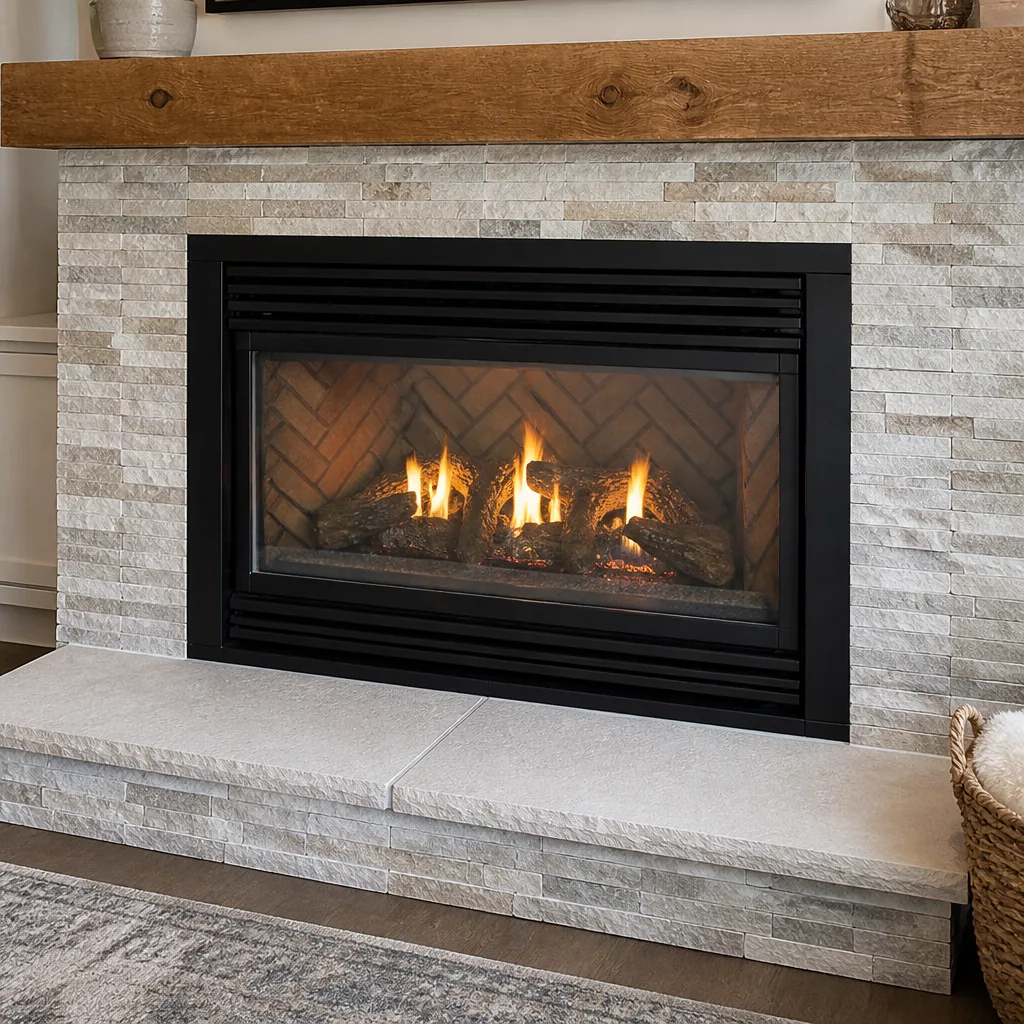 Gas fireplace service
Level 1 sweep and inspection to the NFPA 211 annual standard - flue, crown, cap, and flashing checked and photographed
Chimney sweep logs do not sweep chimneys. They loosen some creosote - which then falls where a brush and vacuum still have to collect it.
Seasonal Chimney Cleaning Care for Westchester: Year-Round Homeowner’s Guide
Most chimney advice you’ll read was written for a place with four hard seasons, where the furnace runs for months and the roof carries snow. Westchester doesn’t work that way. Fireplaces here sit idle through long warm stretches, then get used in bursts from October through February. The national calendar that says “schedule your sweep in fall” isn’t wrong, exactly, but it misses the part that matters most in a coastal Southern California climate: the quiet months are when a chimney takes on the most damage, and by the time you smell smoke in the wrong place, that damage is already done. This guide maps chimney care to the Westchester year, month by month, so you know what to do and when.
Quick Answer
In Westchester, chimney care follows a mild, coastal rhythm rather than a harsh winter one. Schedule your annual sweep and inspection in September, before the October-through-February burning season, then use spring and summer to protect the flue from moisture and pest intrusion while the fireplace is idle. South Coast AQMD Spare the Air rules determine when you can legally burn, which means maintenance timing should follow air-quality season as much as the calendar.
Styles & brands we work with
- Sweep & inspection
- Caps & crowns
- Flue relining
- Masonry repair
- Gas fireplace service
Table of Contents
- Why the Westchester Chimney Calendar Looks Different
- Why Summer Is the Highest-Risk Season for an Unused Chimney
- The September Pre-Season Checklist
- Spare the Air Rules and What They Mean for Burning
- Winter: Living With Your Fireplace in Westchester
- Spring Post-Season Tasks Most Homeowners Skip
- The Chimney That Sat Unused All Season
- What Chimney Care Costs Across the Year in Westchester
Why the Westchester Chimney Calendar Looks Different
Before we get into the month-by-month breakdown, it helps to understand what’s actually happening to a chimney in Westchester’s climate. This isn’t the punishing freeze-thaw country that produces most chimney literature. Winters are gentle, and fireplaces here tend to be used less than they would be in a colder climate. That lower use changes the math.
A chimney that burns hard all winter builds up creosote quickly and needs attention because of it. A chimney that burns intermittently builds up less, but it also sits dormant for long stretches, and a dormant chimney is threatened by something different: moisture from the marine layer that hangs over the South Bay through much of the year. Damp air, low firebox activity, and months of stillness combine into conditions that masonry and metal flues don’t love.
So the Westchester rhythm isn’t about clearing a heavy creosote load after an intense season. It’s about:
- Sweeping before the burning season so the flue is clean and ready when you start using the fireplace in October.
- Inspecting once a year with a camera, because low-use chimneys can hide glazing, cracked tiles, or gaps that a glance from the hearth won’t reveal.
- Protecting the flue through the idle months when water and animals find their way in.
- Understanding the air-quality rules that govern when you can burn in the first place.
Get those four pieces right and you’ll rarely be surprised by a chimney problem. Skip them and the surprises tend to arrive at the worst possible time, usually the first cold evening when you actually want a fire. At Westchester Chimney Sweep Pros we treat the annual inspection as the anchor for everything else, because a camera inspection tells you what the flue actually needs rather than what a guess suggests. Nothing is recommended without evidence you can see for yourself, and we’ll say plainly when a small task can wait another season.
Our technicians have up to 15 years of experience with the professional-grade materials chimney engineers specify, including DuraFlex liner systems, HeatShield resurfacing compounds, and Olympia Chimney components. That matters most when a routine sweep turns into a real repair decision, which is where most chimney advice stops and the honest work begins.
Why Summer Is the Highest-Risk Season for an Unused Chimney
Here’s the counterintuitive part of the Westchester calendar: the riskiest season for your chimney is the one where you never light a fire. Through summer, a chimney sits inert. The firebox is cool, the flue isn’t moving combustion gases, and the damper may be closed. That’s exactly the state moisture and pests prefer.
The South Bay’s marine moisture is the main culprit. Warm, humid air around the exterior of the chimney meets cooler surfaces inside, and condensation collects on the flue liner or the smoke chamber. On masonry chimneys, that moisture soaks into brick and mortar, erodes the crown, and encourages spalling, where the face of the brick flakes away. On metal flues, persistent damp accelerates corrosion. Spring and summer are when these slow problems get their chance to develop without you noticing, because the chimney isn’t producing smoke that would tip you off to a draft problem or a hidden crack.
Pests are the second summer issue. Chimneys without a proper cap are inviting to birds, squirrels, and bees looking for a stable, protected nesting site. A nest packed into the flue restricts airflow and creates a fire hazard the first time you light a fire. An uncapped flue is also the fastest route for rain and marine mist to enter the chimney in the first place.
The two most effective summer protections are also the simplest:
- Install or repair a proper cap. A chimney cap & crown keeps animals, rain, and debris out. This is the leading cause of water intrusion we see, and it’s the single most cost-effective summer fix.
- Schedule an inspection once the fireplace goes quiet. A camera inspection in late spring or early summer catches moisture damage, animal entry, or a failing crown while there’s still time to address it before the September rush.
We use caps and crowns from professional-tier brands like Copperfield and Gelco because the materials hold up to waterfront-adjacent humidity better than hardware-store stock. If your Westchester chimney has gone a full summer without a cap, that’s a call worth making before the first fall wind.
The September Pre-Season Checklist
September is the month that matters most in Westchester. The burning season is about to start, the weather is stable, and there’s time to fix anything that turns up before the first crisp evening. Think of the pre-season checklist as the annual tune-up for your fireplace system.
Most national chimney guides suggest a fall sweep, which is close but not quite right. “Fall” often means October or November, by which point you’re already burning. September gives you a buffer: sweep, inspect, repair if needed, and confirm you’re ready for the season before it begins.
Here’s the sequence we recommend, and the order matters:
- Book the annual sweep. A professional chimney sweep clears soot and any creosote from the flue so the inspection reads true. You can’t properly inspect a dirty flue.
- Get a camera inspection. The technician runs a camera down the flue and gives you a photo or video report. You see what they see.
- Check the cap and crown. Confirm the cap is intact and the crown isn’t cracked. If the crown is failing, water will find the gap all winter.
- Test the damper. Open and close it fully. It should move freely. A stuck damper either blocks the flue or prevents you from sealing heat in.
- Look at the firebox. Cracks in the firebox brick or missing mortar need fireplace repair before you burn, because a damaged firebox lets heat and gases into places they shouldn’t go.
- Confirm your wood supply. Seasoned, dry wood burns cleaner and produces less creosote. If you’re cutting wood in September, it won’t be ready for the first fire.
For a low-use Westchester chimney, the annual sweep and inspection are usually the only tasks on the list. That’s the value of a camera inspection: on a lightly used flue, the report usually shows a clean, sound liner, and you can move on. When it shows a real issue, like deteriorated flue tile, we can resurface with HeatShield without replacing the entire liner, which is the kind of repair that keeps a September sweep from turning into a much bigger project.
Spare the Air Rules and What They Mean for Burning
Westchester sits within the South Coast Air Quality Management District, which means fireplaces here are subject to Spare the Air rules on days when air quality is forecast to be unhealthy. On those days, wood burning is prohibited, and that reality shapes how you should think about your fireplace schedule.
The practical takeaway: you can’t assume you’ll be able to burn on any given evening. Check the Spare the Air status before you plan a fire, especially in the cooler months when many households in the region are burning at once. A fireplace you haven’t maintained because you “only use it a few times” is still a fireplace that gets used when conditions allow, and those uses matter for creosote and for flue condition.
Spare the Air also has a maintenance angle. Because the rules restrict burning on some days, many Westchester households burn more heavily on the days that are permitted, creating a pattern of concentrated use followed by long idle stretches. That pattern actually argues for staying current on the annual inspection, because a flue that burns hard on permitted days and sits idle otherwise can develop both creosote buildup and moisture problems in the same year.
A few things to know about burning within the rules:
- Check the daily Spare the Air status before lighting a fire, particularly on calm, cool evenings when the region’s air quality tightens.
- Burn only dry, seasoned wood. It produces less smoke and less creosote than green wood or manufactured logs with high wax content.
- Never burn trash, treated wood, or painted scraps in a fireplace.
- Keep a working carbon monoxide alarm on every level of the home, and test it at the start of each burning season.
None of this is a reason to skip maintenance. It’s a reason to treat the September inspection as your yearly check-in with a specialist, so the fireplace is ready whenever conditions let you use it.
Winter: Living With Your Fireplace in Westchester
Winter in Westchester is the active season for a fireplace, but it’s mild enough that most households use theirs in bursts rather than continuously. That usage pattern has a few implications worth knowing.
First, the fire itself only needs a clean flue and a functioning damper. If your September checklist is done, winter is mostly about good habits. Burn dry wood, avoid overloading the firebox, and keep the damper fully open while a fire is burning so smoke doesn’t back into the room.
Second, watch for signs that something is off. A chimney that puffs smoke into the room, smells odd when the fire dies down, or shows a cracked firebox is telling you something. Those signals deserve a call rather than a wait-and-see approach. Carbon monoxide is the reason not to ignore them; a blocked or damaged flue can let combustion gases escape into the living space, and the symptoms can be easy to miss. A carbon monoxide detector is the best early warning, backed by a professional inspection when anything seems wrong.
Third, creosote buildup is a fire risk regardless of how mild the winter is. Creosote comes from incomplete combustion, and it accumulates in the flue over the course of a season. In a low-use Westchester chimney, the accumulation is usually modest, but it’s still the reason an annual sweep matters. A chimney fire fed by creosote can be violent, and it can happen in a chimney you’ve used only a few times.
If you do notice signs of trouble mid-winter, don’t wait for spring. We use a camera inspection on every call so you see the problem before we recommend anything. If a repair can safely wait until the firebox is cold and the season is over, we’ll say so. If it can’t, you’ll know why.
Spring Post-Season Tasks Most Homeowners Skip
Spring is when a lot of chimney problems quietly start, and it’s also when most Westchester homeowners stop thinking about the chimney entirely. The firebox is cold, the smoke smell is gone, and there’s no immediate reason to look. That quiet is exactly why spring maintenance matters.
The tasks that pay off in spring:
- Look at the crown from a safe vantage point. A cracked or missing crown is the entry point for rain and marine moisture, and spring is when the damage has already happened. Repairing a crown in spring is cheaper and simpler than rebuilding the chimney structure after a wet winter.
- Clean the firebox and remove ash. Ash left sitting over the summer can retain moisture and encourage corrosion in metal firebox components. A clean firebox dries better.
- Confirm the cap is intact. A winter of wind can dislodge a loose cap, which is a summer pest invitation. We install caps and crowns as a core service precisely because so many chimney problems begin with water and animals entering through the top.
- Close the damper correctly. A properly closed damper keeps moisture and heat out of the firebox and helps block pest entry.
- Schedule a camera inspection if you haven’t inspected in the last twelve months. A camera inspection in spring is often the easiest time of year to book.
Here’s the key insight that separates a Westchester schedule from a national one: the moisture risk peaks over the idle months, not the burning months. That’s why spring and summer care is about protecting the flue from water and animals, while the fall care is about cleaning and safety. Both windows matter, and a chimney that only gets attention in fall has been exposed for six months in between.
The Chimney That Sat Unused All Season
If you didn’t light the fireplace this year, you might assume the chimney is clean because nothing burned. That’s a common assumption and it’s usually wrong.
A chimney that sat unused all season can still have:
- Pest nests or debris in the flue or smoke chamber, left over from a long idle period.
- Moisture damage to the flue liner, crown, or firebox from a full year of marine air with no fire to dry things out.
- Deteriorated flue tile that a camera inspection would reveal but a visual check from the hearth would not.
- A blocked or stuck damper from a season of disuse.
The good news is that a lightly used Westchester chimney should be in decent shape, and a sweep plus inspection will usually confirm it. The point isn’t to invent problems; it’s to verify. A camera inspection is the only reliable way to know whether the flue is clear and the liner is sound. If everything checks out, you’ve paid for a sweep and a clean inspection report and you can move on with confidence. If something turns up, you can address it now, on your schedule, rather than in a cold snap when you actually want to light a fire.
We don’t recommend liner replacements or resurfacing unless the camera shows a reason. When it does, our brands of choice are DuraFlex flexible liners for gas, oil, or wood appliances, and HeatShield for flue resurfacing that solves deteriorated tile without a full reline. Both are professional-grade systems that most generalist handymen aren’t trained on or stocked with. That’s the difference a dedicated chimney specialist brings to a Westchester repair decision: the trade-level materials and the ability to tell you what the chimney actually needs.
What Chimney Care Costs Across the Year in Westchester
The exact cost of chimney care depends on your chimney and the work needed, so the price is set per job by a written estimate. The estimate is free, and the numbers below are typical ranges for the region, not a quote for your home.
- Annual sweep: Typically $150 to $275 for a standard chimney.
- Camera inspection (often included with a sweep): Typically $0 to $100 on its own, or bundled with a sweep.
- Chimney cap installation: Typically $150 to $350, depending on cap style and flue size.
- Crown repair or repair where the crown is cracked: Typically $300 to $800, depending on the extent of damage.
- Minor fireplace repair (mortar joints, brick work): Typically $250 to $600.
- HeatShield flue resurfacing: Typically $1,200 to $2,500, and it’s often less than a full reline.
Those ranges move with the condition of the chimney, so a written estimate is the only number that matters. What we’ll do is show you the camera findings that justify any repair, and tell you when a small task can safely wait. The price is set by the estimate; nothing is charged before you agree to it.
Common Mistakes to Avoid
- Skipping the sweep because you “only burn a few times.” Low use doesn’t mean no creosote and no moisture exposure. A lightly used Westchester chimney still needs an annual inspection, and the October-to-February window is when you’ll notice a problem you didn’t catch in September.
- Burning on Spare the Air days. It’s illegal on designated days and hard on regional air quality. Check the status before lighting a fire, and plan earlier fires accordingly.
- Ignoring the cap. An uncapped flue is the leading cause of water intrusion and pest entry. The fix is inexpensive compared to the damage an open flue causes over a summer.
- Assuming an unused chimney is clean. A chimney that sat idle all season can hold a nest, a stuck damper, or a cracked flue tile. Verify with a camera inspection before your first fire.
- Burning green or unseasoned wood. It produces more creosote and more smoke than dry, seasoned wood. Stock up in spring so it’s ready by September.
- Putting off a firebox crack. A cracked firebox can let heat and combustion gases where they shouldn’t go. That’s a repair, not a wait-and-see.
- Letting a “sweep” double as the whole story. A sweep cleans the flue; it doesn’t tell you whether the liner, crown, or firebox are sound. A camera inspection is what tells you that.
See the difference
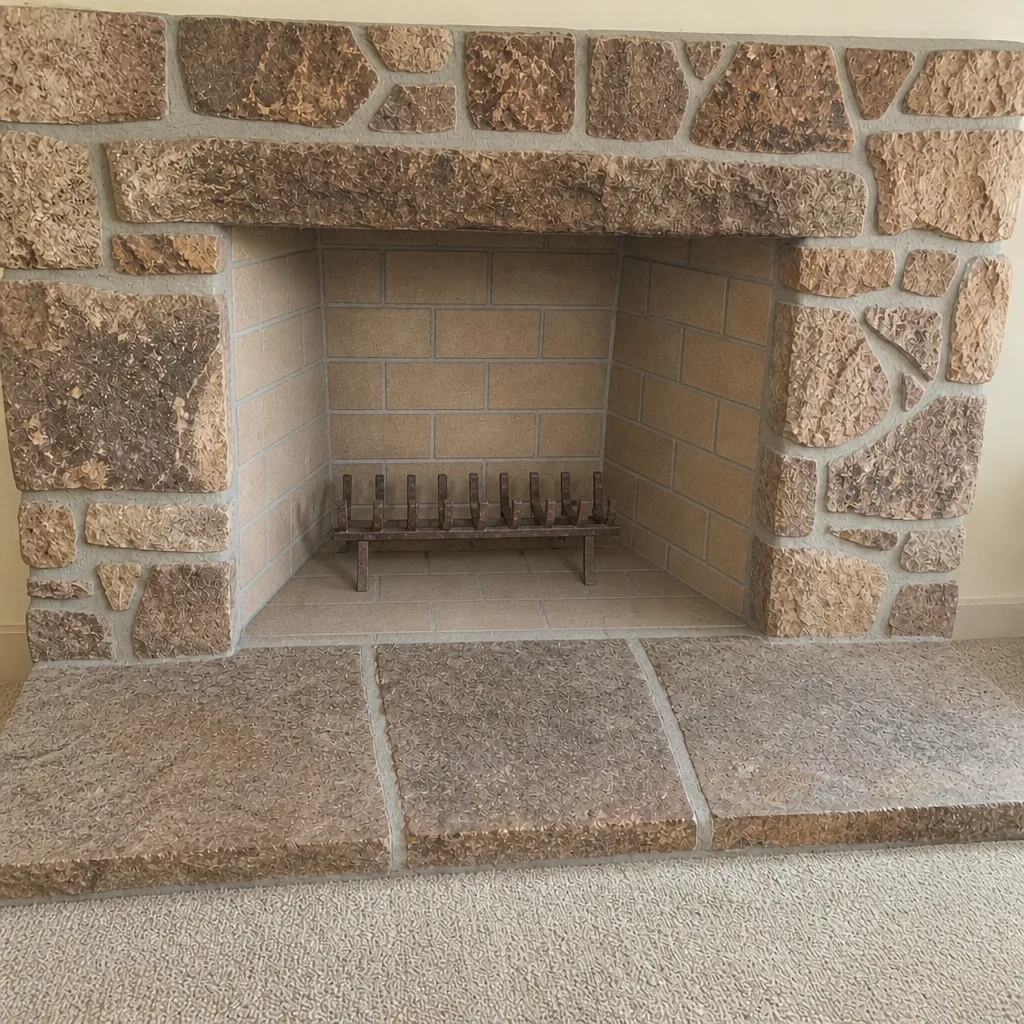
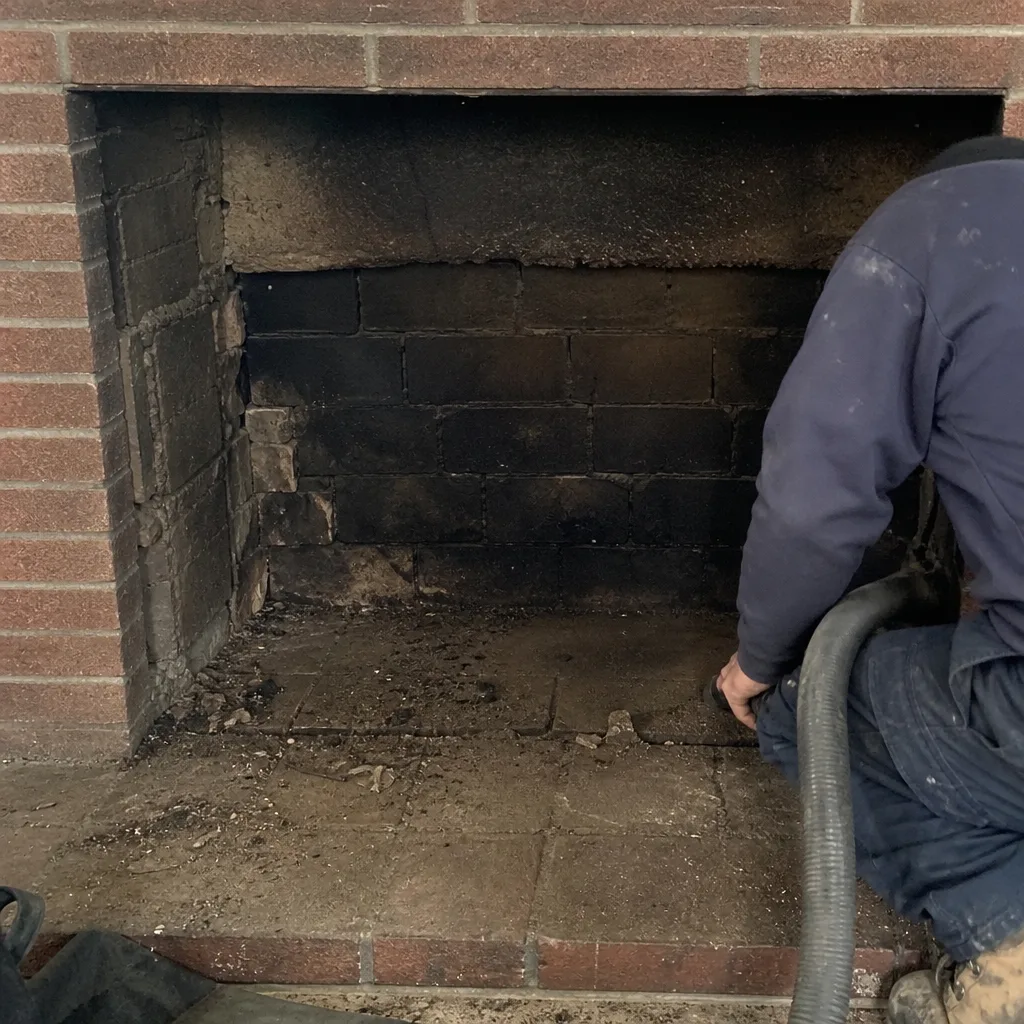 Before
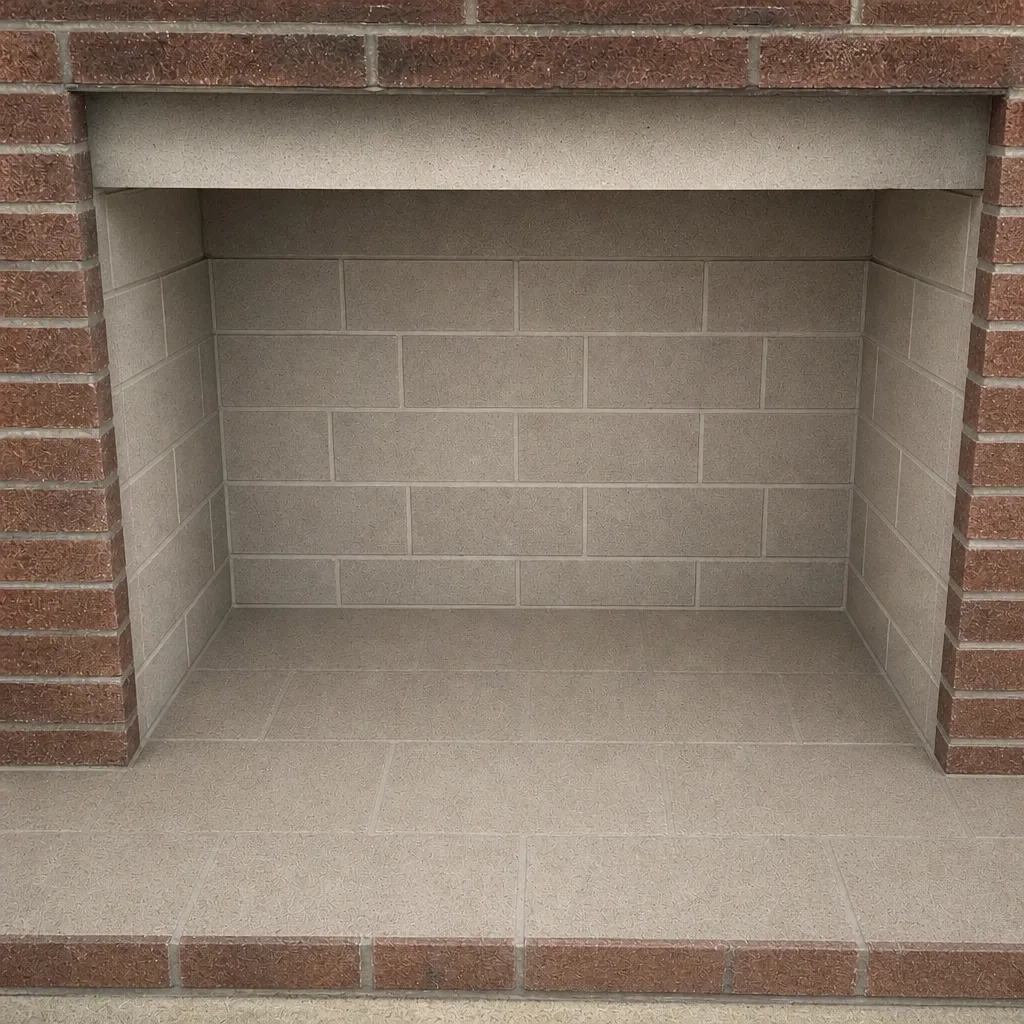 After
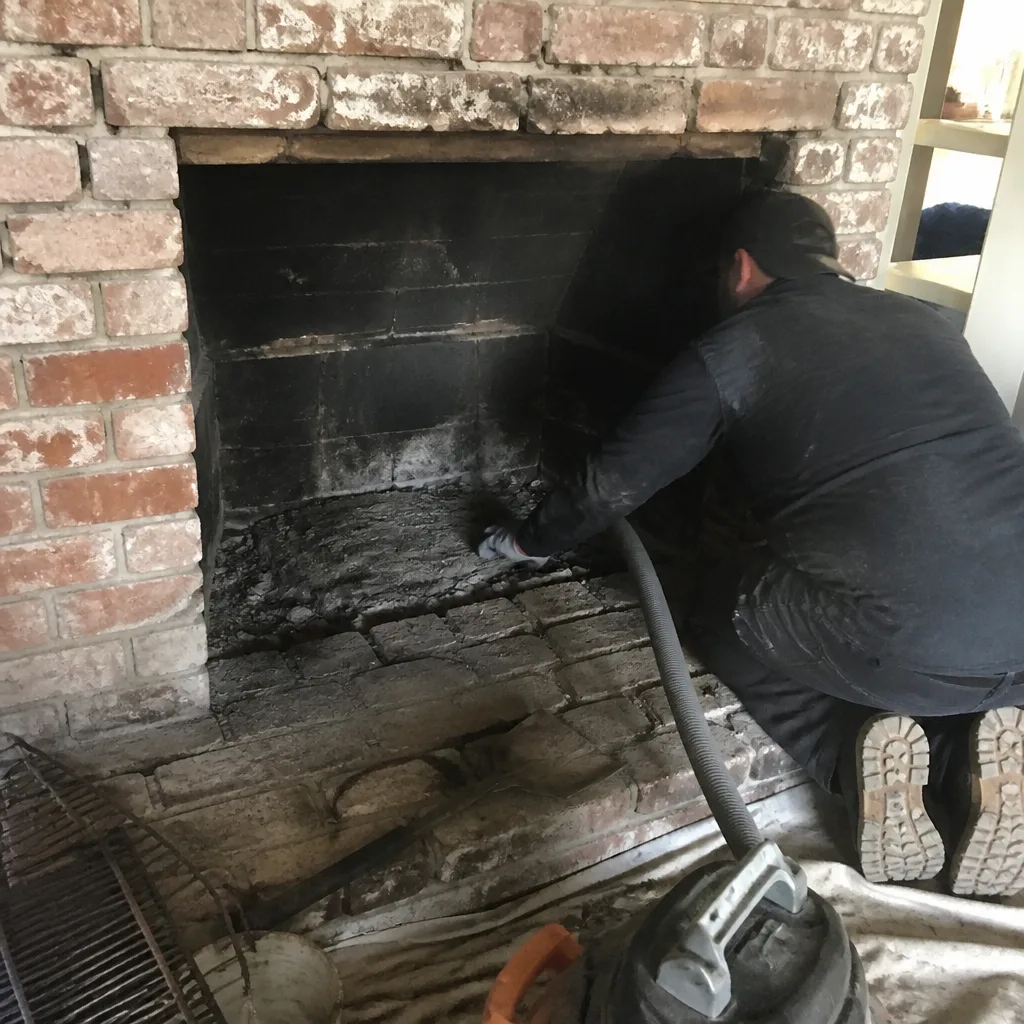
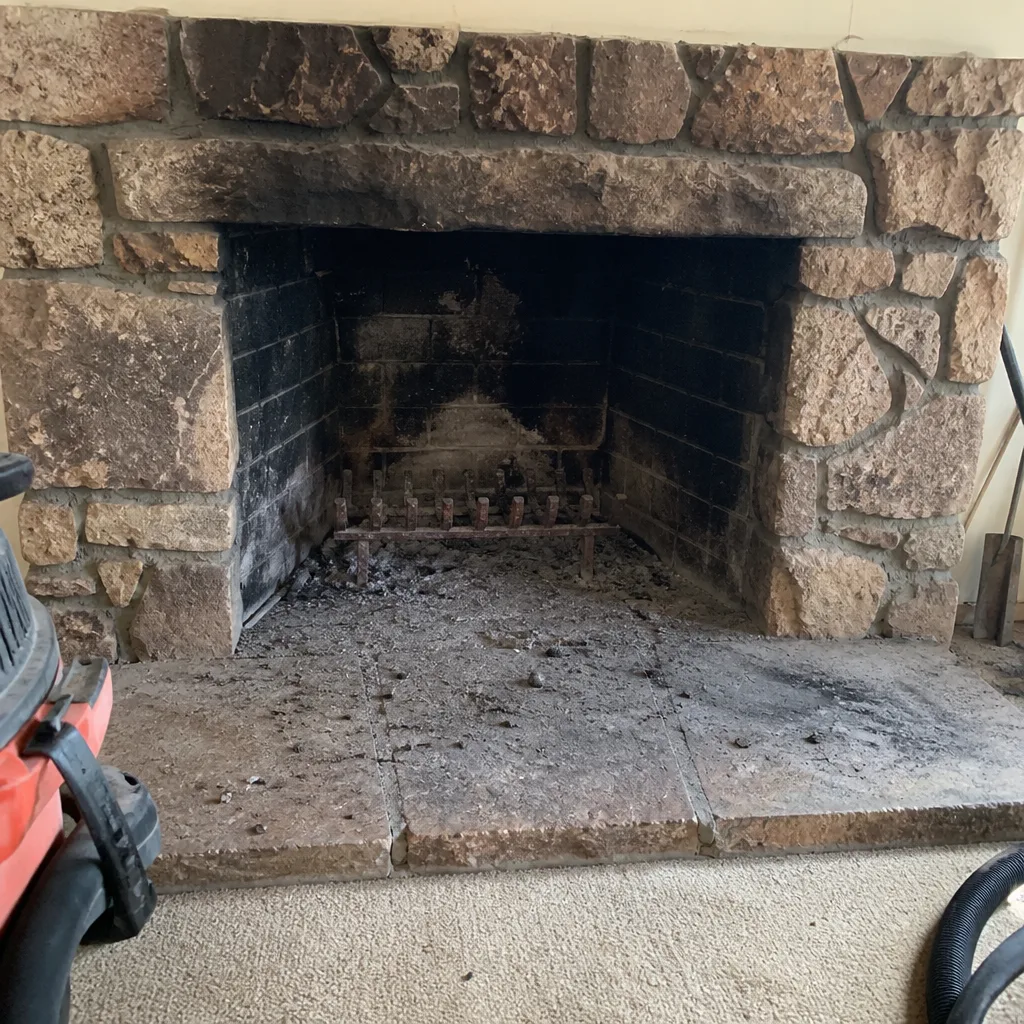 Before
 After
 Before
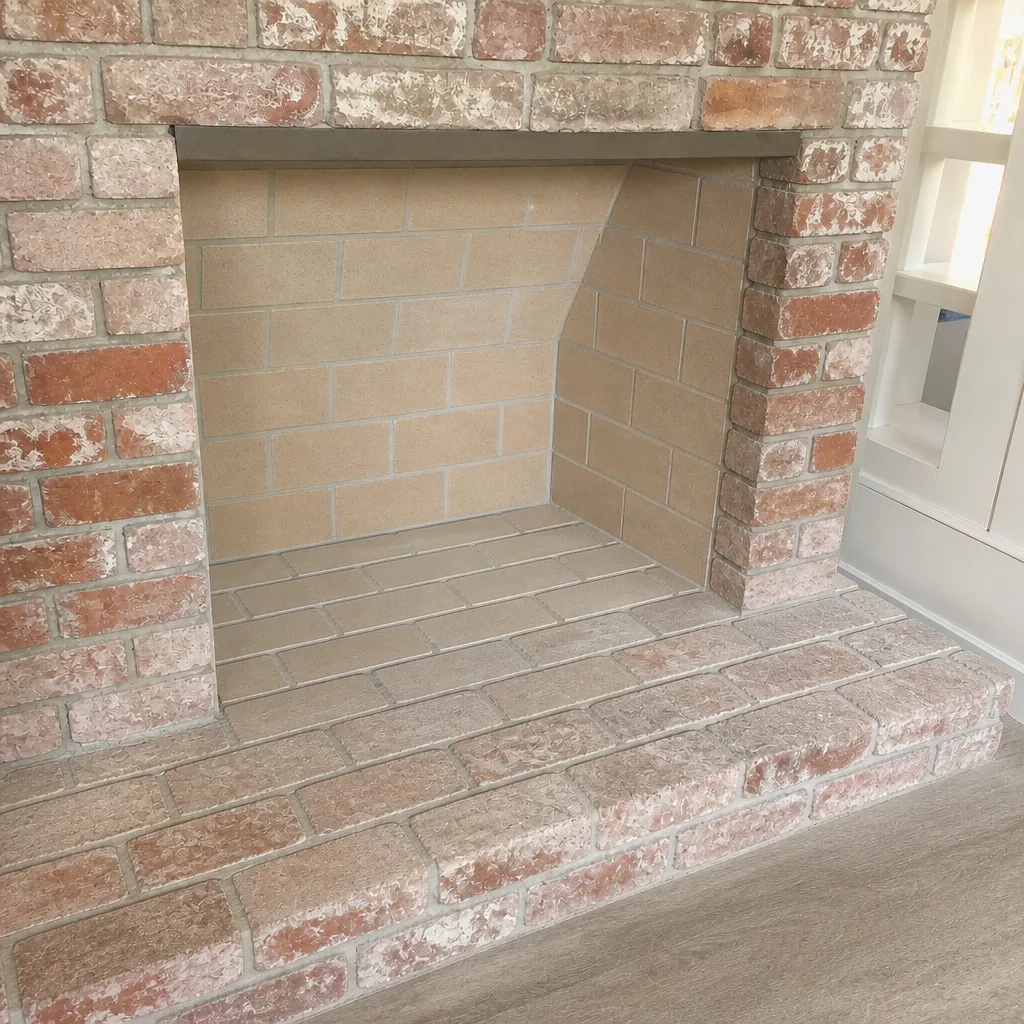 After
When to Call a Professional
Some chimney work is a professional decision, and it’s worth knowing the signs. Call when you smell smoke in a room that shouldn’t smell like smoke, when the fireplace puffs or back-drafts, when you see cracked firebox brick or mortar, when the crown is visibly damaged, when an animal is nesting in the flue, or when it’s been more than a year since the last camera inspection. Call as well if you’ve never had a camera inspection and don’t know the condition of your flue, because a low-cost check is the honest place to start. Call before your first fire of the season if the chimney had a problem last winter that you put off. And call if a liner or crown repair is on your mind, because the trade-level materials make a real difference.
Westchester Chimney Sweep Pros offers free estimates in Westchester. We cover the whole chimney scope: sweep, inspection, cap and crown, fireplace repair, and chimney repair, with no subcontracting and no referrals out. Call (866) 490-9807. We answer 24/7. Fast dispatch from 7am to 7pm, Sunday through Friday.
Frequently Asked Questions
Once a year for most Westchester homes. The annual sweep clears soot and creosote, and the camera inspection confirms the liner, crown, and firebox are sound. Even a lightly used chimney benefits from the yearly check, because idle months are when moisture and pests do their damage. If you burn more heavily, or if the camera shows a pattern of buildup, an extra sweep during the season may be worthwhile.
September is the best month. It comes right before the October-through-February burning season, when the firebox is quiet and the weather is stable, so there’s time to address anything the inspection reveals before you want to light a fire. Spring is a good second choice, since it catches moisture damage from the winter. Call (866) 490-9807 for an exact quote; estimates are free.
A sweep alone is not enough to know the condition of your chimney. A sweep cleans the flue; a camera inspection shows whether the liner is sound, whether the flue tile has deteriorated, and whether there’s a crack or a hidden obstruction. You see the footage yourself, so you’re never asked to take a repair on faith. Call (866) 490-9807 to book an inspection, and we’ll tell you what your chimney actually needs and what it doesn’t.
An unused chimney is not automatically clean. A full year with no fire leaves the flue open to moisture, pests, and a stuck damper, and a cracked flue tile could hide for months. A camera inspection confirms whether the flue is clear and the liner is sound before you light your first fire. Call (866) 490-9807 for an exact quote; estimates are free.
No. Westchester is within the South Coast Air Quality Management District, and on designated Spare the Air days wood burning is prohibited. Check the daily status before you plan a fire. The rules don’t change your maintenance schedule; they just tell you which evenings are off-limits.
Typically $150 to $275 for a standard sweep, with the camera inspection often bundled in. The written estimate sets the final price, and the estimate is free. The exact figure depends on the condition of your chimney and any repairs the inspection turns up. Call (866) 490-9807 for an exact quote; estimates are free.
The Bottom Line
Westchester’s mild climate doesn’t remove chimney risk; it reshapes it. The most dangerous season for a dormant chimney is the warm one, when marine moisture and animals find their way into an uncapped flue, and the single best month to get ahead of it is September, right before the burning season. A yearly sweep and a camera inspection, done every year, keep you out of the worst surprises, and a spring check catches what the winter left behind. Spare the Air rules shape when you can burn, but they don’t touch the maintenance rhythm. That rhythm is simple: sweep and inspect in September, protect the flue through the idle months, and verify before you light a fire that hasn’t burned in a year. If you’re unsure where your Westchester chimney stands, book a sweep and inspection and see the evidence for yourself. The estimate is free, and nothing is recommended without camera evidence you can see.
Call (866) 490-9807. We answer 24/7. Fast dispatch from 7am to 7pm, Sunday through Friday. Or reach out through Westchester Chimney Sweep Pros to schedule a free estimate, a chimney sweep, a chimney cap & crown install, or fireplace repair. Whichever you choose, we’ll tell you what your chimney actually needs, and when a repair can safely wait.
Written by the team at Westchester Chimney Sweep Pros.