
Last updated November 22, 2026
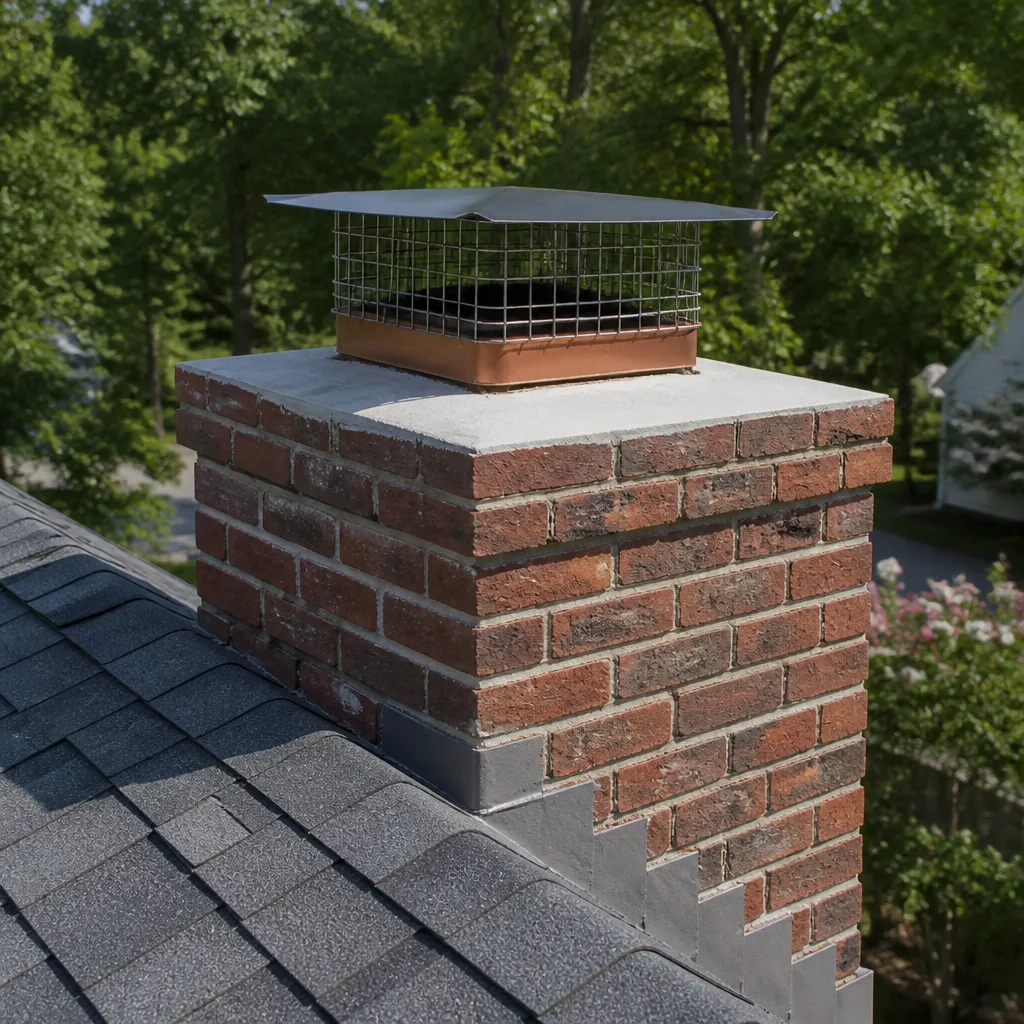 Sweep & inspection
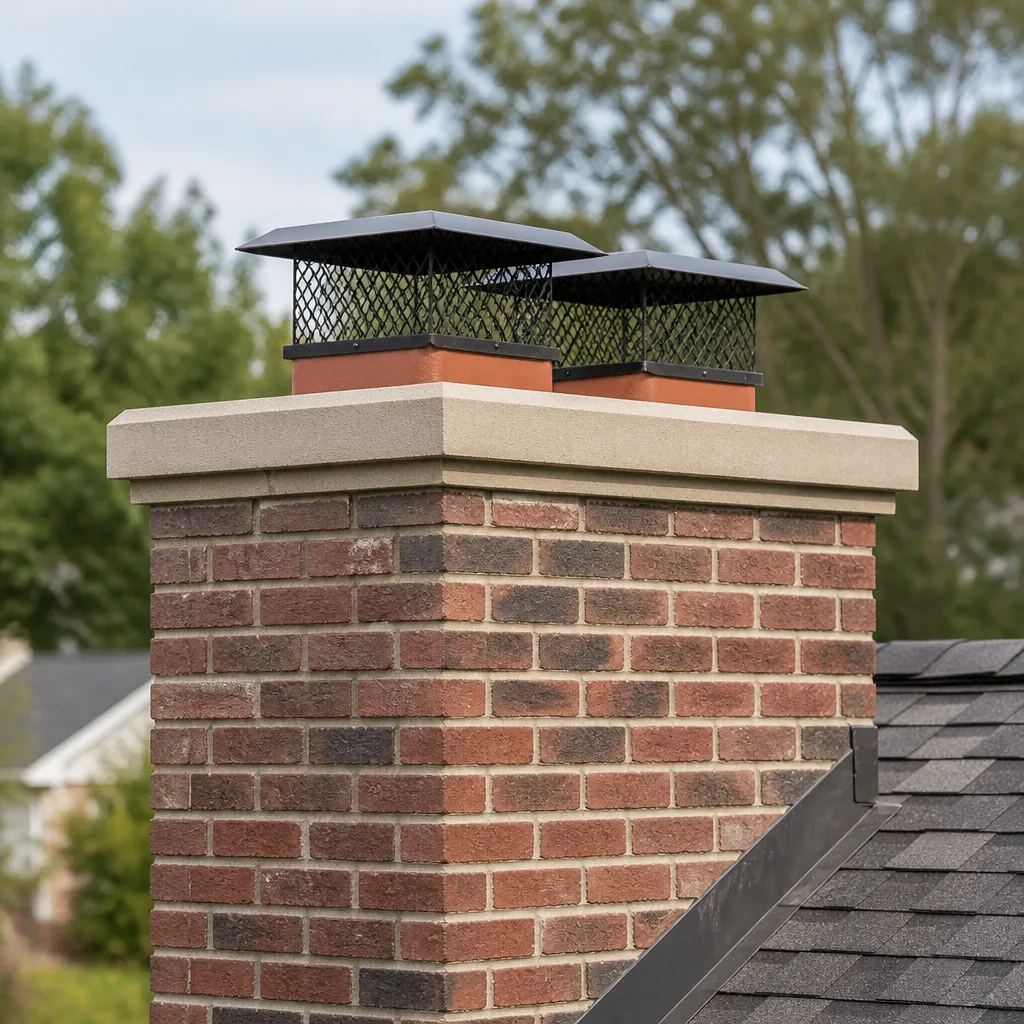 Caps & crowns
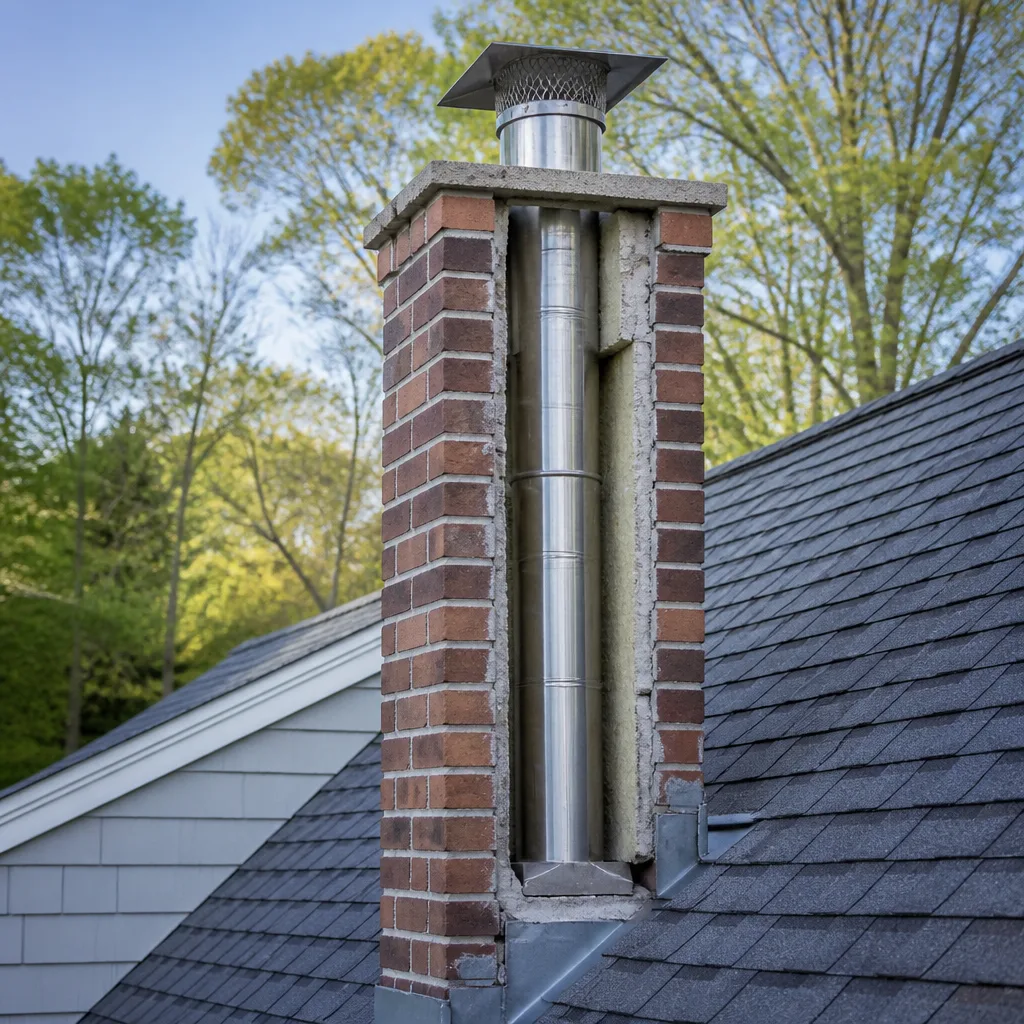 Flue relining
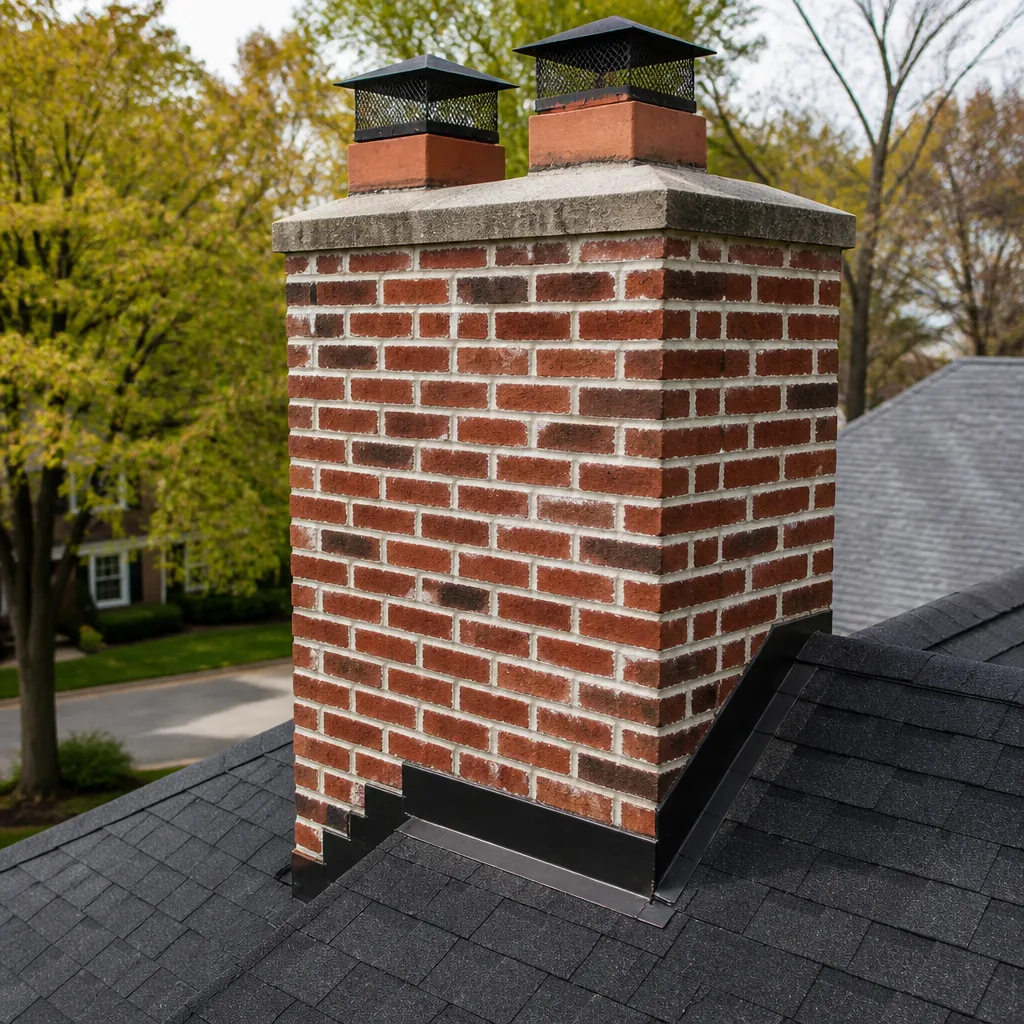 Masonry repair
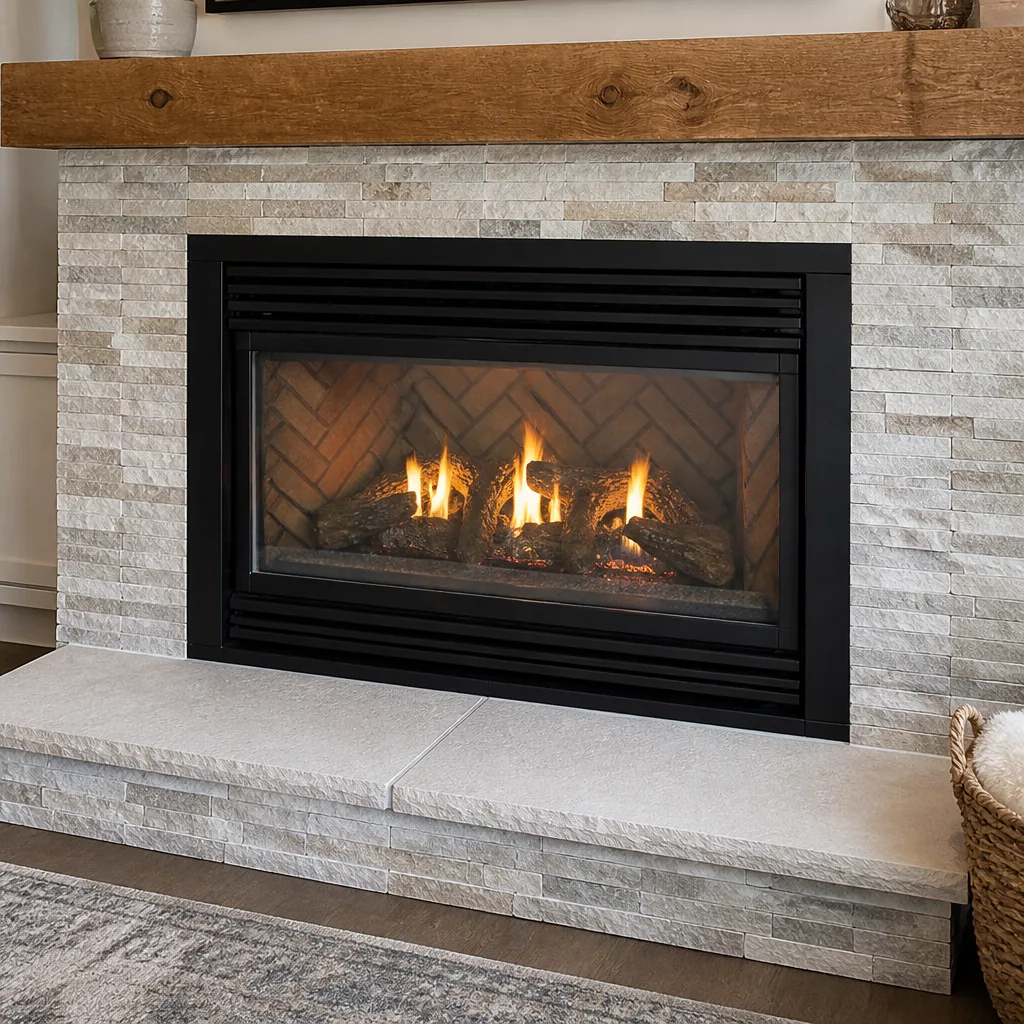 Gas fireplace service
Level 1 sweep and inspection to the NFPA 211 annual standard - flue, crown, cap, and flashing checked and photographed
Chimney sweep logs do not sweep chimneys. They loosen some creosote - which then falls where a brush and vacuum still have to collect it.
Chimney Cleaning Permits, Codes & Inspections in Westchester, CA: What You Need to Know
Chimney cleaning doesn’t require a permit. Chimney relining does. Replacing a firebox insert might. The problem is that plenty of contractors blur this line, either because they don’t know where it sits or because pulling permits slows a job down. Homeowners in Westchester end up holding the bag years later when a sale, a claim, or an inspection turns up work that was never on record. This guide draws the line clearly: what counts as routine maintenance, what crosses into permitted repair under California building code, what Los Angeles County and the City of Los Angeles actually require, and how to ask the right questions before you hire anyone.
Quick Answer
Routine chimney sweeping and Level 1 inspections in Westchester, CA generally do not require a permit. Structural repairs, flue liner replacement, and firebox alterations usually do, because they fall under California building code and local permitting through the Los Angeles Department of Building and Safety. The permit itself isn’t the point; the paper trail is. Unpermitted chimney work can complicate insurance claims and home sales long after the job is finished.
Styles & brands we work with
- Sweep & inspection
- Caps & crowns
- Flue relining
- Masonry repair
- Gas fireplace service
Table of Contents
- Where Maintenance Ends and Permitted Work Begins
- California and LA County Codes That Apply to Chimney Work
- Flue Liner Replacement: The Permit Question Homeowners Get Wrong
- Firebox Repair and Insert Replacement: What Triggers a Permit
- Why Unpermitted Chimney Work Shows Up Years Later
- How to Ask a Contractor About Permits
- The Level 2 Inspection and Real Estate Transactions
- Common Mistakes to Avoid
- When to Call a Professional
- Frequently Asked Questions
Where Maintenance Ends and Permitted Work Begins
The clearest way to think about it: sweeping removes creosote and debris, and repair changes the structure. The first is maintenance. The second is construction, and construction in California runs through the permit process.
Here’s the practical split we use when talking with homeowners in Westchester:
- No permit typically needed: annual sweeping, Level 1 visual inspection, chimney cap replacement on an existing flue, minor crown sealing where no structural work is involved.
- Permit often required: relining a flue, replacing damaged flue tile, rebuilding a firebox, altering the chimney’s height or footprint, installing or replacing a solid-fuel insert or stove, and any repair that changes how the chimney meets code for clearance or venting.
The distinction matters because a sweep and a reline look similar from the driveway and cost very different amounts. A contractor who never mentions permits on a reline is either doing unpermitted work or doing something less than a reline. Neither is a good outcome for you.
Local housing stock adds a wrinkle. Much of Westchester was built in the post-war decades, and a lot of these chimneys have original masonry flues that have been through more than half a century of heating cycles. When we’re inspecting a home near Loyola Marymount or down toward Westport Heights, the question isn’t usually whether the flue needs attention; it’s whether the repair crosses into permitted territory. That’s a conversation worth having before anyone starts work, not after.
If you’re uncertain which side of the line your situation sits on, a chimney sweep visit is the right starting point. A proper sweep includes an inspection, and the inspection tells you whether you’re looking at maintenance or repair.
California and LA County Codes That Apply to Chimney Work
California building code governs how chimneys are constructed and how they can be altered. Los Angeles County and the City of Los Angeles administer the permit process for most of Westchester, since the neighborhood is part of the City of Los Angeles. In plain terms, the code covers venting, clearances to combustible material, flue sizing, and the requirement that a chimney be structurally sound and properly lined for the appliance it serves.
What that means for a homeowner:
- A chimney has to be lined to match the appliance it vents. Swapping a wood-burning fireplace for a gas insert, or installing a new appliance, can change the required flue size and venting method.
- Clearances to combustibles are not negotiable. That’s the space between the chimney and the framing, and it’s one reason relining and chimney repair get inspected.
- Alterations require permits through the Los Angeles Department of Building and Safety. Your contractor should be able to tell you which permits apply before the job starts.
We’re not a permitting office, and codes change; the department is the authority. But a chimney specialist who works in Westchester regularly should be able to tell you, in plain language, whether a given job needs a permit and roughly what the process involves. That’s part of the trade knowledge a generalist won’t have.
One more local note: mild winters mean chimneys here can sit unused for months at a time, then get heavy use for a short season. That pattern is hard on masonry and on flue tile, and it’s a big reason we see more liner work than you’d expect in a climate where nobody’s shoveling snow.
Flue Liner Replacement: The Permit Question Homeowners Get Wrong
Relining is the single most common point where chimney work becomes permitted work. A flue liner is a structural component of the chimney. Replacing it changes the venting system, so it falls under California building code and typically requires a permit through the local building department.
Why homeowners get this wrong: a reline is sometimes described as a “repair,” which makes it sound like maintenance. It isn’t. It’s a construction project with code implications for venting and clearances.
Two methods come up in Westchester homes:
- Flexible liner systems. A stainless flexible liner, like the DuraFlex systems we install, is the standard approach for relining gas, oil, and wood appliance flues. It’s a full replacement of the flue path.
- Flue resurfacing. When the original clay tile has deteriorated but the chimney structure is otherwise sound, a HeatShield application can resurface the existing flue rather than replacing it. This is brand-specific work with its own training requirements, and it’s not something most sweep-only companies can offer. It’s also a judgment call: resurfacing is right for some flues and wrong for others, and the inspection tells you which.
Neither one is a homeowner DIY project, and that’s not just about permits. Relining involves cutting, fitting, sealing, and confirming the new flue matches the appliance. A liner that’s sized wrong or poorly sealed can vent combustion gases into the home. That’s a safety issue first and a code issue second. If a contractor quotes you on a reline without discussing the permit or the appliance, ask why not.
For a closer look at the repair side of this, our guide to fireplace repair covers what a firebox rebuild involves and when it’s the right call.
Firebox Repair and Insert Replacement: What Triggers a Permit
Firebox repair is where it gets murkier. The answer depends on scope.
Rebuilding the firebox brick and mortar to its original dimensions is often treated as repair. Replacing a firebox insert, changing the appliance, altering clearances, or modifying the chimney to accommodate new venting usually crosses into permitted alteration. The trigger isn’t the word “repair”; it’s whether the work changes the venting system, the clearances, or the appliance.
A useful test:
- Are you replacing a component with a like-for-like part? Repair.
- Are you changing venting, clearances, flue size, or the appliance itself? That’s alteration, and it usually requires a permit.
- Is the repair limited to the firebox brick and mortar with no change to the flue or appliance? Often repair.
In Westchester homes, the common firebox issues are mortar joint failure and cracked brick from repeated heating and cooling over many seasons. That’s often straightforward repair. The trickier calls come when a homeowner wants to replace a wood-burning setup with gas, or add an insert. Those projects touch venting, and venting is where the permit lives.
The other thing to know: unpermitted insert installation is one of the most common findings in a real estate inspection. The buyer’s inspector sees a new appliance with no record of a permit, and the sale stalls while everyone sorts it out. Better to pull the permit up front. If a contractor tells you an insert install doesn’t need one, ask them to walk you through the venting requirements first.
Why Unpermitted Chimney Work Shows Up Years Later
Here’s the part homeowners underestimate. Unpermitted chimney work rarely causes a problem on the day it’s done. It causes problems years later, at the two moments when paperwork matters most: an insurance claim and a home sale.
Insurance. If a chimney fire or a carbon monoxide incident stems from work that was never permitted and never inspected, your insurer may question the claim. Every policy reads differently, so we can’t speak to your specific coverage. But an unpermitted appliance installation or reline is exactly the kind of thing that gets flagged in a claim investigation.
Home sales. A buyer’s inspector and a real estate transaction both want documentation. When a chimney shows signs of liner work, insert installation, or firebox repair with no permit on file, the buyer’s agent asks questions, and the closing can stall. At worst, the seller pays for a fresh inspection and, sometimes, corrective work.
Future inspection. A Level 2 inspection done for a sale will note the state of the flue, the appliance, and the venting. If something was done improperly, it shows up. And a buyer’s inspector isn’t looking to punish you; they’re looking to document the condition of the chimney for the buyer’s benefit. Whatever the inspector finds, the buyer sees.
In our experience, the permit paper trail is cheap relative to the time and cost of sorting out an undocumented repair during a sale in Westchester. When a homeowner asks us whether a job needs a permit, the honest answer is usually “let’s check, because you’ll want the record either way.”
Chimneys here also deal with intense heat followed by long idle periods and the occasional heavy rain. That cycle is why the work gets done eventually. The paperwork is how you avoid doing it twice.
How to Ask a Contractor About Permits
The right questions are simple, and the answers tell you a lot. Ask them before the job starts, not once the crew is on the roof.
- “Does this job need a permit?” A specialist should give you a straight answer, in plain language, with the reason. If they hedge on a reline or an insert install, that’s a signal.
- “Who pulls the permit?” The contractor should either pull it themselves or tell you clearly that you’ll do it. Vague answers about “handling the paperwork” aren’t the same thing.
- “Will the job be inspected?” Permitted work typically gets inspected by the building department. Ask how that’s handled and who schedules it.
- “What documentation do I get at the end?” You want the permit record and, ideally, the inspection sign-off. A contractor who can’t tell you what documentation you’ll receive either doesn’t know or doesn’t want to say.
- “What do you see, and what do you recommend?” “I recommend a full reline” without showing you the camera footage is not a diagnostic answer. A proper inspection includes a visible inspection and a photo report.
That last question is where homeowners get burned. Relining and masonry work are expensive, and the homeowner has no way to verify whether it’s needed. The answer is camera evidence you can see for yourself and a report you keep. Nothing should be recommended without it. And it should be equally clear when work can safely wait; some of what shows up on an inspection doesn’t need fixing this season.
The way a contractor talks about permits is a signal of professionalism and confidence. A good one mentions the permit before you ask, explains what triggers it, and doesn’t treat the process as an obstacle. A bad one treats the permit as a nuisance to be avoided, which means you’re the one who carries the risk.
We use professional-tier products on every job, including Copperfield liner components and DuraFlex systems, and we work the same way whether or not the job is permitted. That’s what a specialist does. If you’re unsure whether your situation crosses the line, our team can walk you through a Westchester Chimney Sweep Pros inspection and tell you plainly.
The Level 2 Inspection and Real Estate Transactions
A Level 2 inspection is the one that matters in a real estate transaction. It goes beyond a Level 1 visual check: it includes examination of accessible areas of the chimney and venting, often with a camera, and it’s the appropriate inspection when a property is changing hands, when an appliance is being replaced, or when there’s been a chimney fire or a structural change.
What buyers and sellers actually need:
- A written report. The inspection should produce documentation of the chimney’s condition, not just a verbal summary. The report is what goes to the buyer, the lender, and the insurer.
- Photo and video evidence. A report with pictures answers the question the buyer is actually asking: is anything wrong in there? Without pictures, you’re trusting the inspector’s word alone.
- A record of what was done. If the seller has run a reline or a firebox rebuild, the permit and inspection sign-off should be in the file. It closes the loop.
In Westchester, the market includes older homes with original masonry chimneys alongside homes that have had updates. A Level 2 inspection tells the transaction what condition the chimney is actually in. That’s as useful for the seller as it is for the buyer, because it lets the seller address what’s real and decline what isn’t.
One thing worth saying plainly: a Level 2 inspection is not an upselling tool. It’s a diagnostic, and a good inspector will tell you when a problem can wait. We’d rather give you a report you can defend than a repair quote you can’t.
If you’re selling in Westchester and need a Level 2 inspection, or you’re buying and the seller’s documentation is thin, we can help. Our inspection service is built around camera evidence and a written report you can hand to anyone.
Common Mistakes to Avoid
- Assuming all chimney work is permit-free. Sweeping and Level 1 inspections are typically exempt. Relining, insert installation, and most firebox alterations are not. Treating them as exempt is how unpermitted work ends up in a home.
- Accepting a repair quote with no camera evidence. If a contractor can’t show you the problem, you can’t verify the solution. Ask to see the footage and the photo report before you approve anything.
- Hiring a generalist for structural chimney work. A handyman can sweep a chimney. Relining, flue resurfacing, and firebox rebuild are trade-specific work, and the product knowledge matters. Brands like HeatShield and DuraFlex are specified by people who do this every day, not hardware-store substitutes.
- Skipping the permit because “it’s just a repair.” “Just a repair” is the phrase that causes problems at resale. Ask the contractor to say whether a permit is required and write it into the estimate.
- Ignoring the cap and crown. Water intrusion from a failed cap or crown is one of the most common problems we see. Chimney cap and crown work is repair, not decoration, and it’s often the thing that prevents much larger work later.
- Doing the inspection once and never again. An annual inspection keeps a record. That record helps at resale, and it catches liner and firebox issues early.
- Assuming the chimney is fine because there’s no smoke coming in. A deteriorating liner or a hidden gap doesn’t produce visible smoke. It produces risk you can’t see from the living room.
When to Call a Professional
Call us when a contractor has quoted structural work with no camera evidence. Call us when a chimney has been unused for several seasons and you want to know its condition before the next heating season. Call us when a home sale is on the horizon and you need documentation. Call us before you replace an appliance, because that’s the point where venting and permits become a decision.
Chimney work involves heat, water, and combustion gases, and some of it (relining, masonry repair) isn’t safe to inspect from the roof on your own. High-tension components aren’t part of a chimney, but a steep roof and a tall flue are, and a fall from height is a real injury. This is a trained-professional job.
Westchester Chimney Sweep Pros offers free estimates in Westchester. Call (866) 490-9807. We answer 24/7. Fast dispatch from 7am to 7pm, Sunday through Friday, closed Saturday. Our technicians have up to 15 years of experience.
Frequently Asked Questions
Routine chimney cleaning (sweeping) does not require a permit in Westchester, and neither does a Level 1 inspection. A sweep removes creosote and debris. It’s maintenance, not construction. The permit question starts when work changes the structure, venting, or appliance, such as a reline, insert replacement, or firebox alteration. Call (866) 490-9807 for an exact quote; estimates are free.
Flue liner replacement typically requires a permit through the local building department, because a reline changes the venting system and falls under California building code. The permit is usually pulled by the contractor, and the work gets inspected. If a contractor quotes a reline without discussing permits, ask why. Call (866) 490-9807 for an exact quote; estimates are free.
A Level 1 inspection is a visual check of the accessible parts of the chimney and venting, done as part of routine maintenance. A Level 2 inspection is more thorough, often including camera examination of the flue, and it’s the appropriate inspection for a real estate transaction, an appliance change, or after a chimney fire. The Level 2 report is what you use for documentation. Call (866) 490-9807 for an exact quote; estimates are free.
It depends on the scope. Rebuilding a firebox to its original dimensions is often treated as repair. Installing a new insert, changing the appliance, or altering venting or clearances usually requires a permit, because those changes affect the venting system. Ask the contractor to tell you which side of the line the job falls on before work starts. Call (866) 490-9807 for an exact quote; estimates are free.
They can. Unpermitted liner work or insert installation can stall a sale when the buyer’s inspection finds work with no permit on file. The remedy is usually a fresh inspection and, sometimes, corrective work. Having the permit and inspection record from the start avoids that. Call (866) 490-9807 for an exact quote; estimates are free.
Once a year, ideally before the heating season. Here that means a check in late summer or early fall, before the fireplace gets regular use. Annual inspections keep a record, catch liner and firebox issues early, and give you documentation for insurance and resale. Call (866) 490-9807 for an exact quote; estimates are free.
The Bottom Line
Chimney cleaning itself is permit-free. Repairs and alterations usually aren’t, and the line between them runs through venting, clearances, and the appliance. The permit and inspection record is what protects you at insurance time and at resale. Insist on camera evidence and a written report before you approve any repair. And treat a contractor’s answer about permits as a professionalism test; the good ones mention it before you ask.
Westchester Chimney Sweep Pros handles inspection, sweep, cap and crown, fireplace repair, and chimney repair under one roof. We use the materials chimney engineers specify, including DuraFlex and HeatShield, not hardware-store alternatives. Call (866) 490-9807 for a free estimate. We answer 24/7. Fast dispatch from 7am to 7pm, Sunday through Friday, closed Saturday.
Written by the team at Westchester Chimney Sweep Pros.
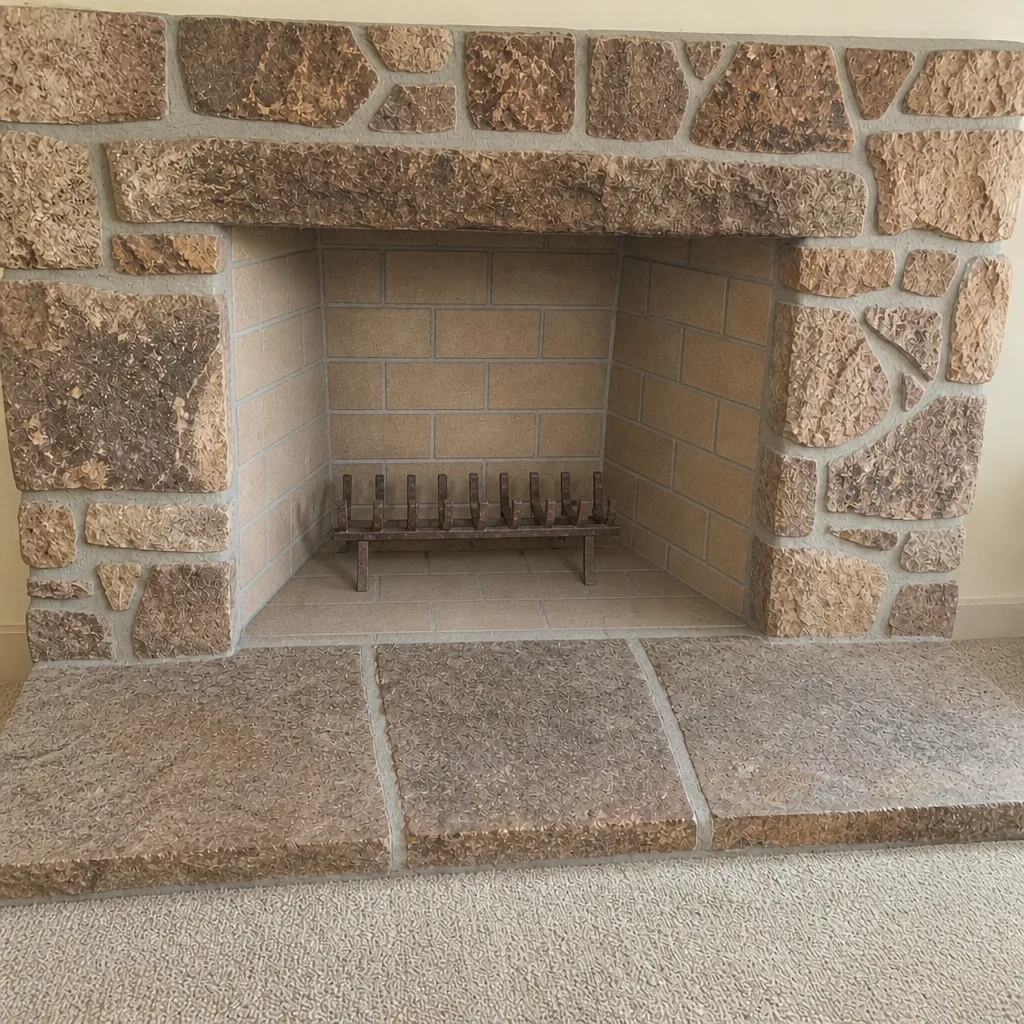
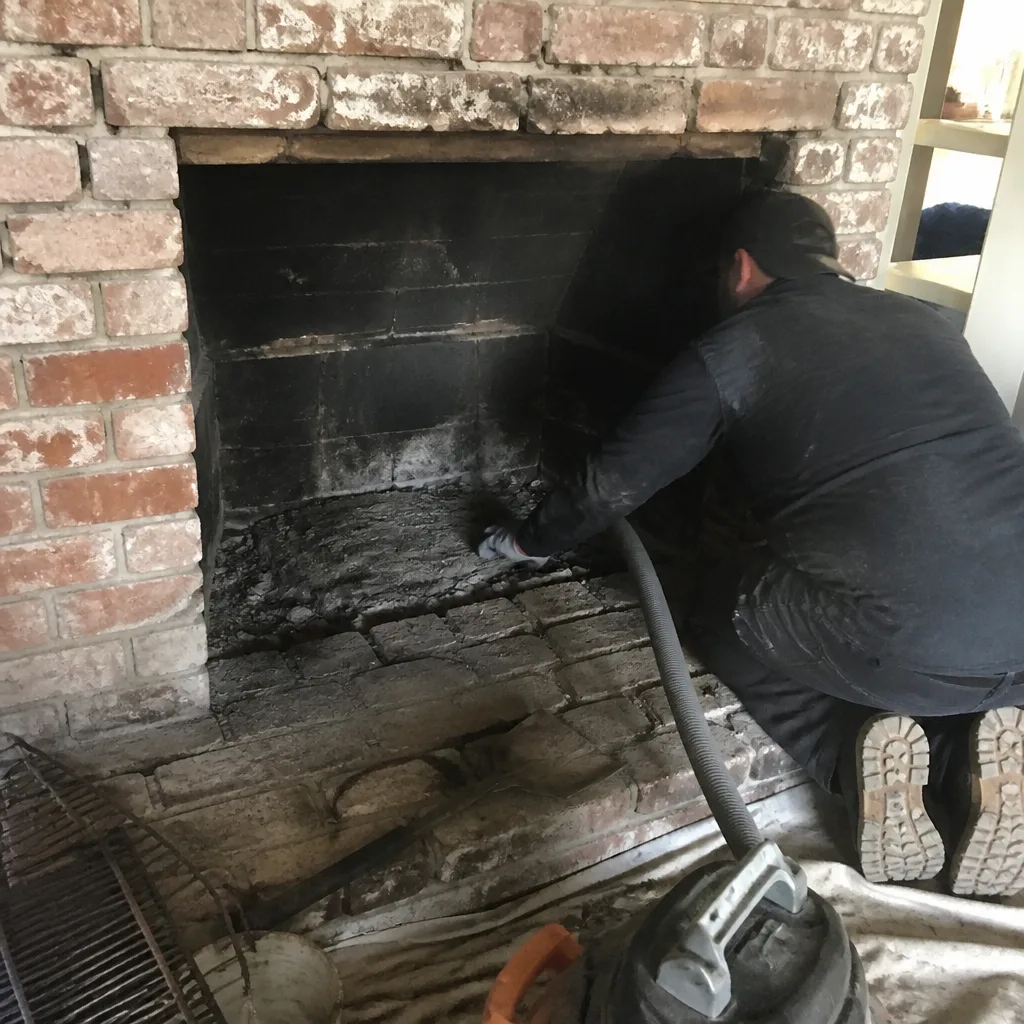
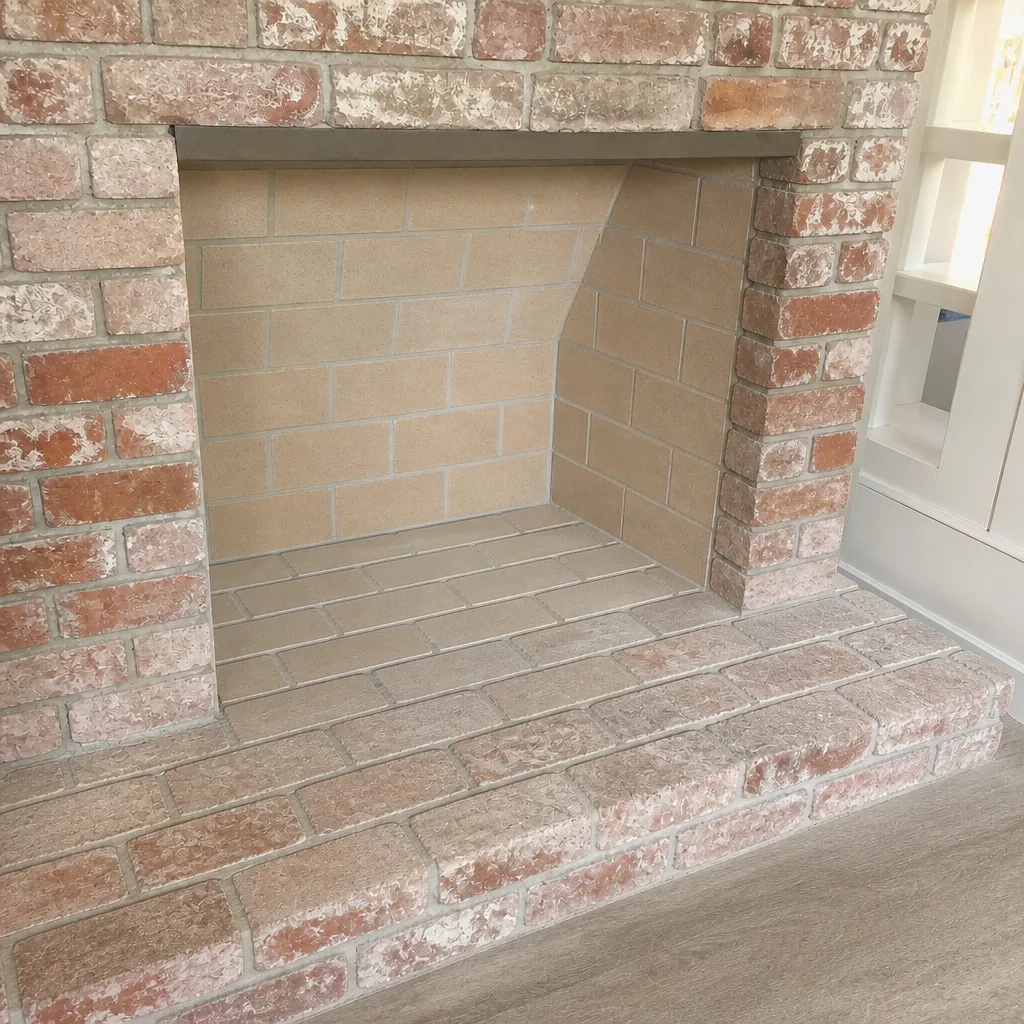
See the difference
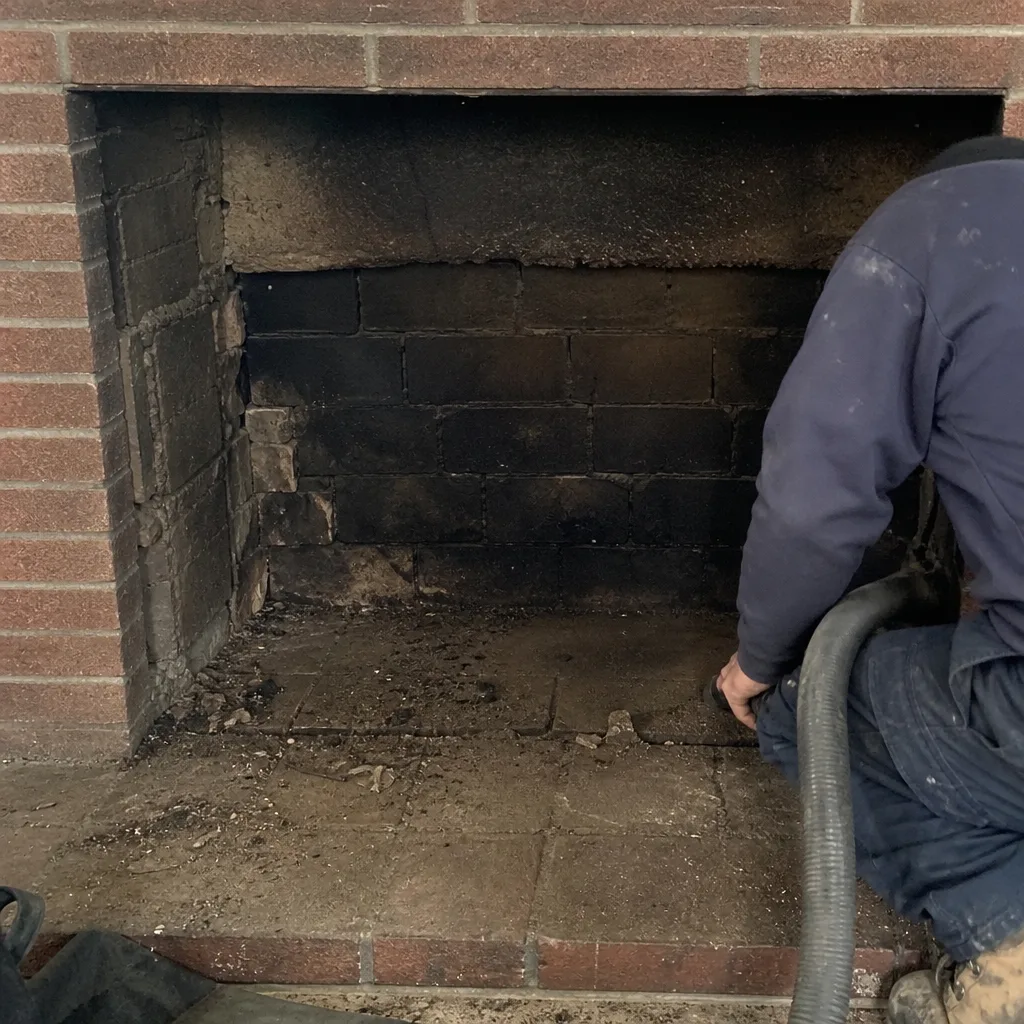 Before
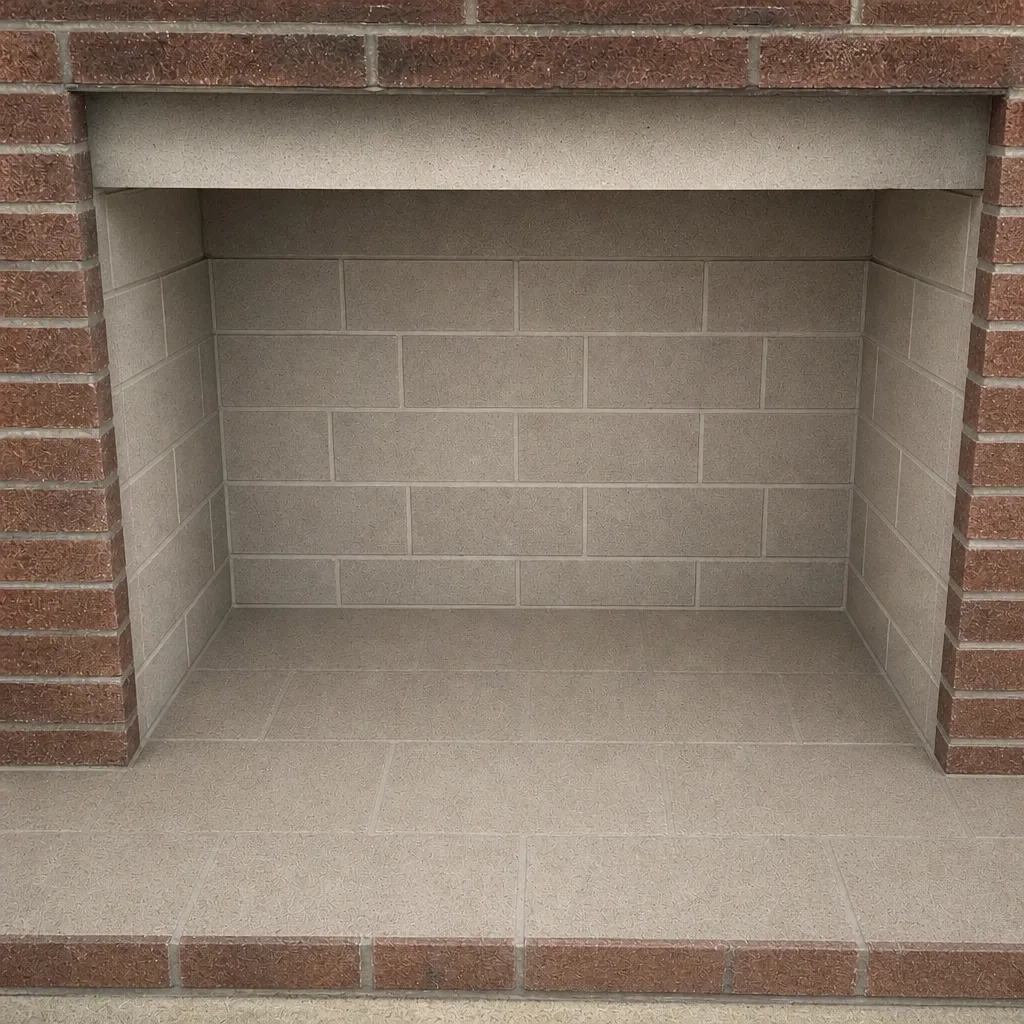 After
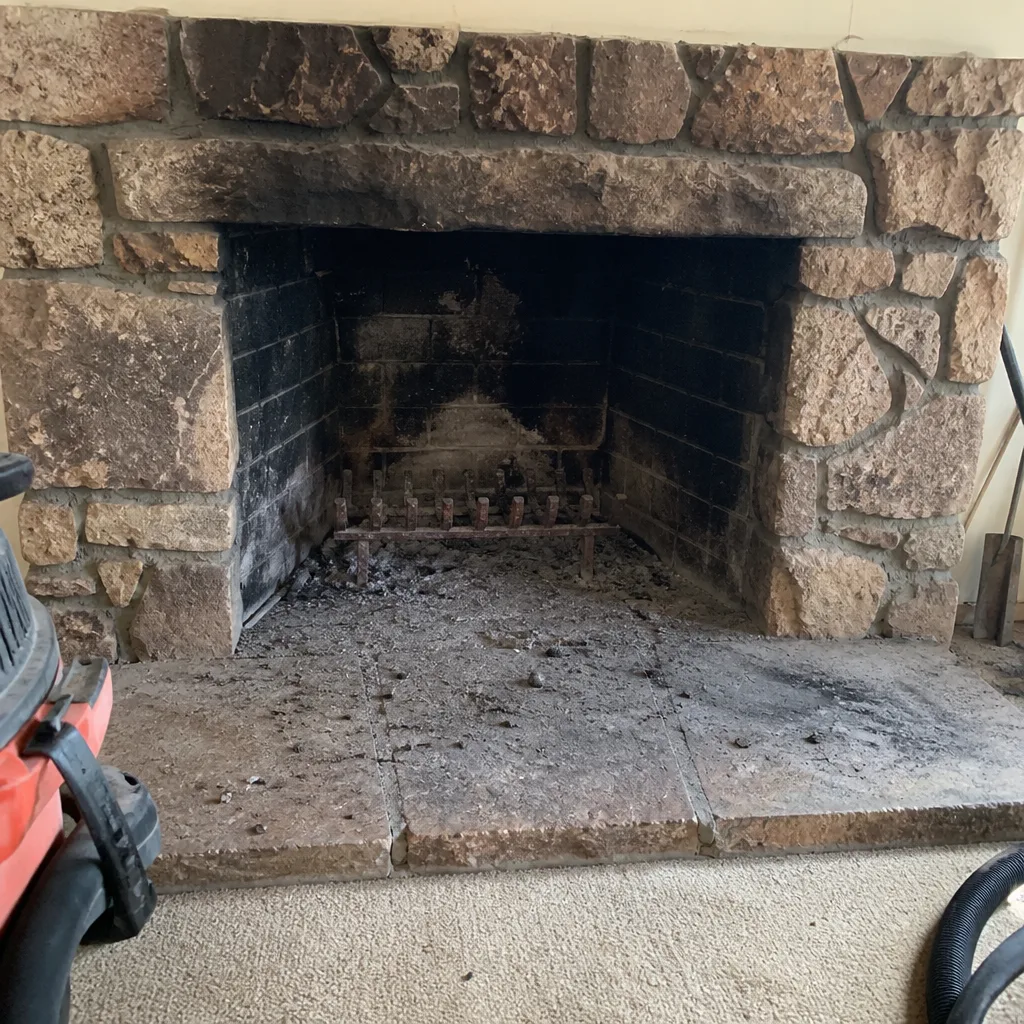 Before
 After
 Before
 After