
Last updated November 22, 2026
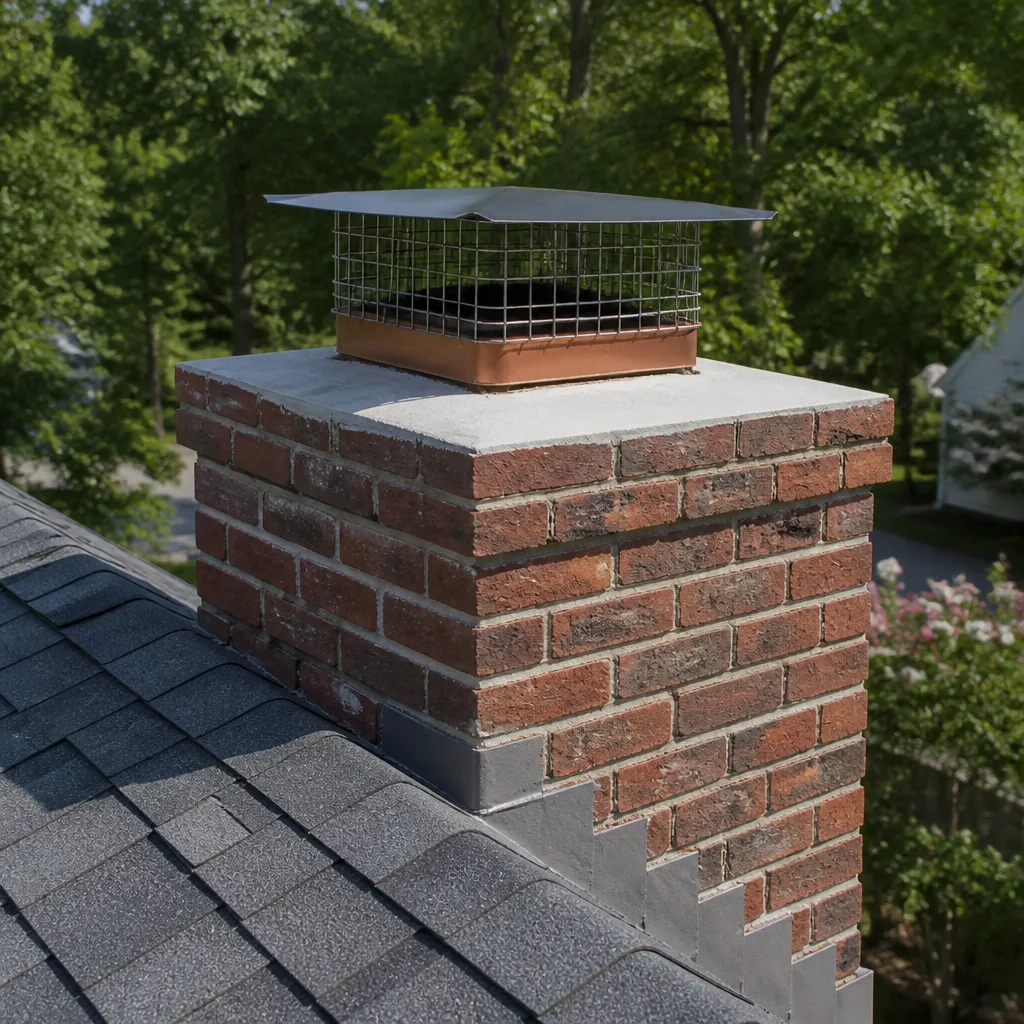 Sweep & inspection
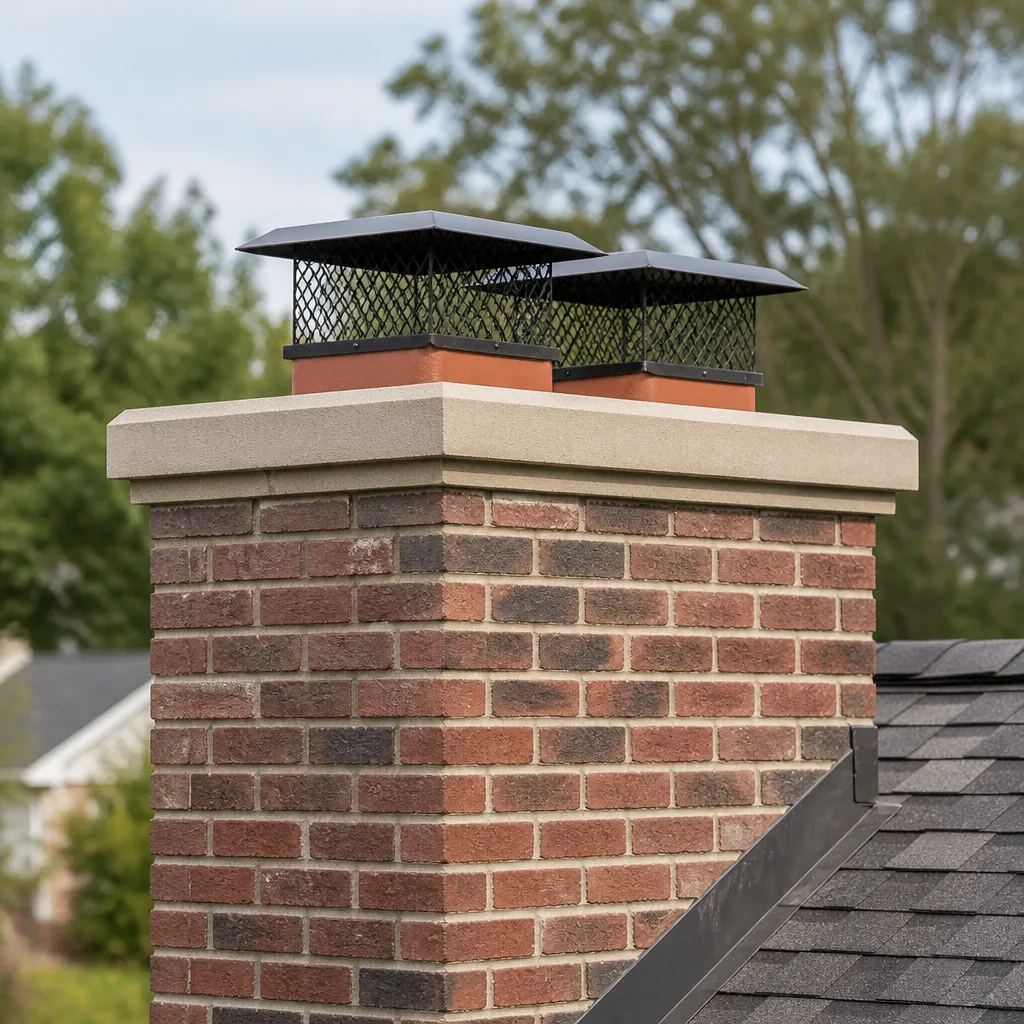 Caps & crowns
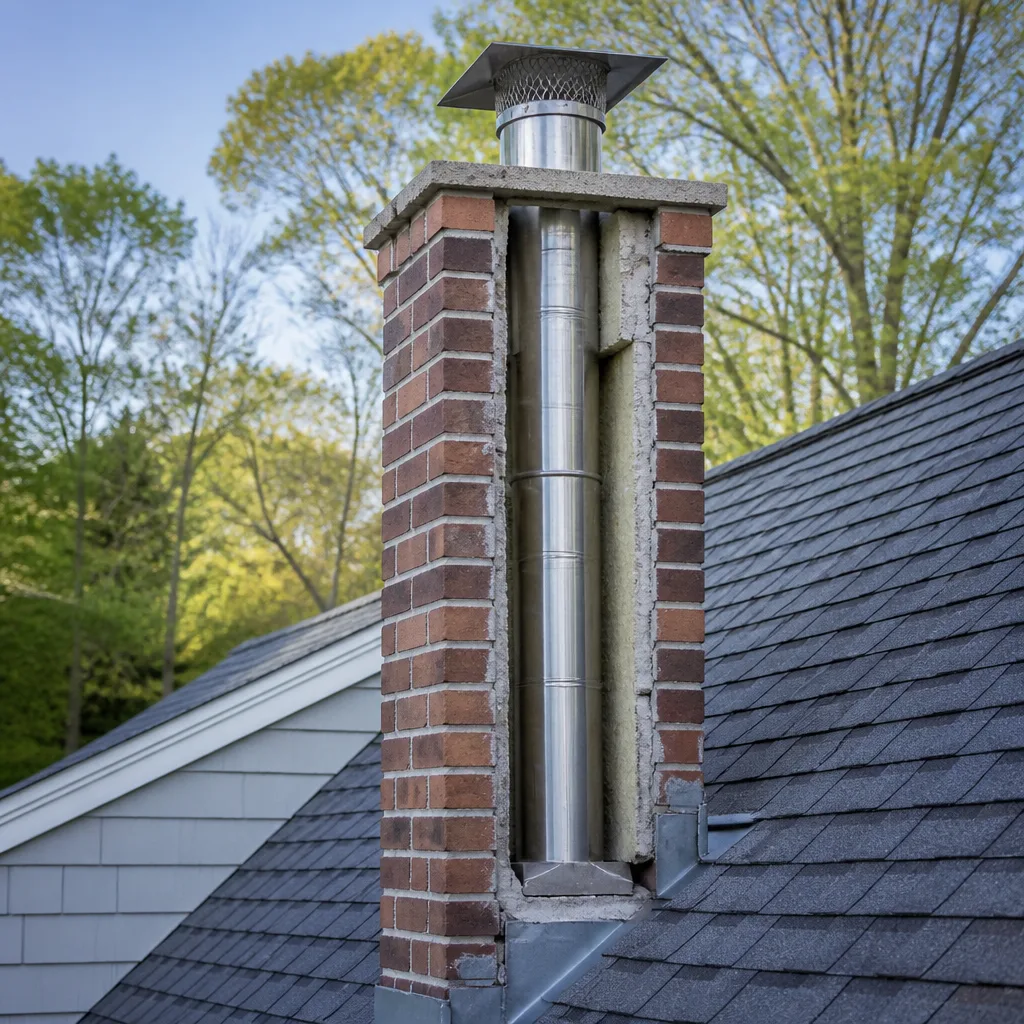 Flue relining
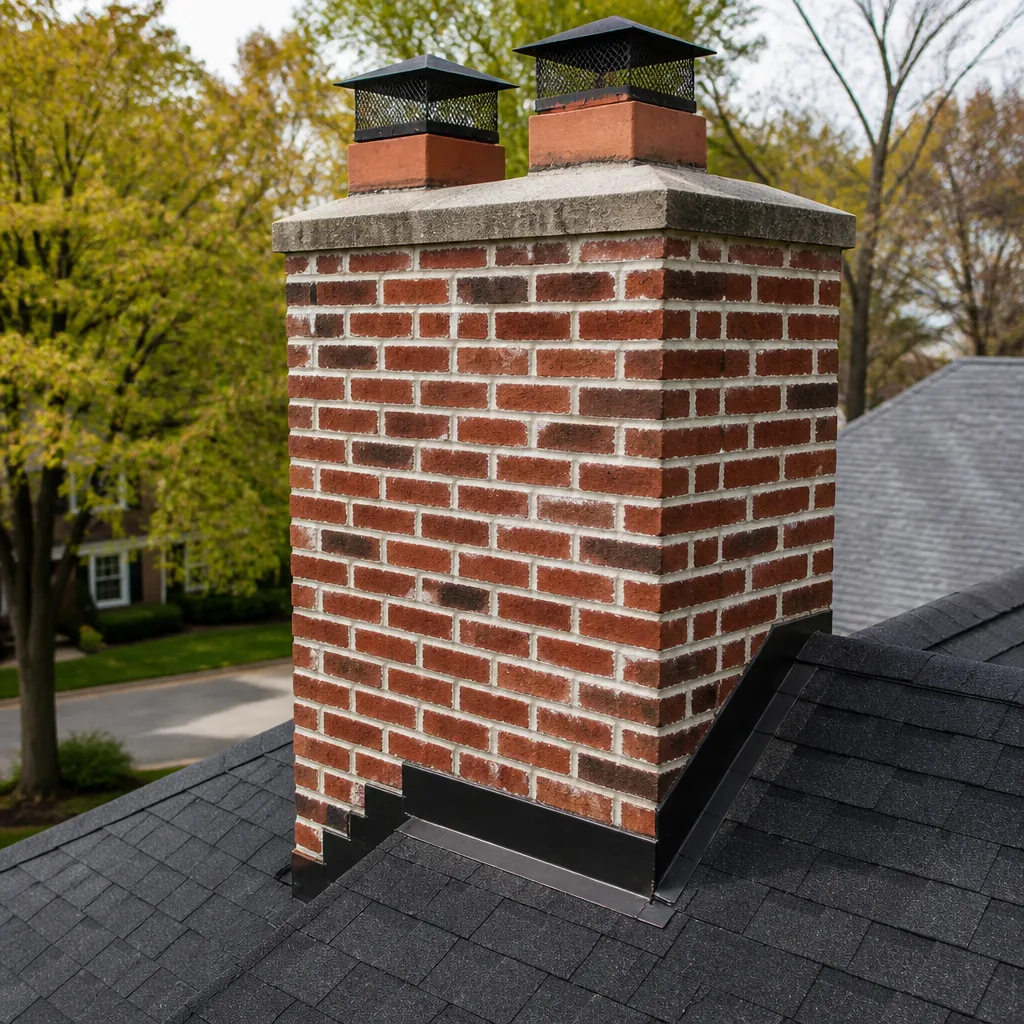 Masonry repair
 Gas fireplace service
Level 1 sweep and inspection to the NFPA 211 annual standard - flue, crown, cap, and flashing checked and photographed
Chimney sweep logs do not sweep chimneys. They loosen some creosote - which then falls where a brush and vacuum still have to collect it.
Chimney Cleaning Warning Signs: A Westchester Homeowner’s Reference Guide
The chimney fire signs everyone talks about, flames roaring at the top of the flue and loud cracking like a freight train, only show up once things are already bad. The signals that actually predict trouble arrive months earlier, and they’re quiet. A faint smell in the firebox that wasn’t there last season. A little more smoke curling into the room before the draft catches. A pale stain spreading across the outside brick. This guide walks through the low-visibility warning signs we look for in Westchester chimneys, how to read them yourself, and when they’re telling you to call someone.
Quick Answer
The most reliable chimney cleaning warning signs are a persistent musty smell from the firebox, glossy or crunchy dark deposits on the flue walls (stage 2 and stage 3 creosote), smoke spilling into the room when you light a fire, white efflorescence staining on the exterior brick, and a damper that sticks or no longer seals. Any one of these means the chimney should be inspected before the next fire, and several of them together mean you should stop using it until a sweep has looked inside. Westchester homes with year-round fireplace use tend to build creosote faster than owners expect because the burn season never fully stops.
Styles & brands we work with
- Sweep & inspection
- Caps & crowns
- Flue relining
- Masonry repair
- Gas fireplace service
Table of Contents
- What a Musty Smell From Your Firebox Is Telling You
- How to Identify Stage 2 and Stage 3 Creosote Without Tools
- Exterior Masonry Signs That Westchester Sun and Moisture Reveal
- Why White Staining on the Chimney Is a Structural Warning
- Damper and Draft Problems That Signal Airflow Obstructions
- When a Warning Sign Means Stop Using the Fireplace
- What a Sweep Finds That You Can’t See From the Firebox
- The Questions to Ask Before Any Chimney Company Starts Work
What a Musty Smell From Your Firebox Is Telling You
A damp, musty smell coming from the firebox, especially on warm days when no fire is burning, is almost never “just odor.” It’s a sign of moisture where moisture shouldn’t be, and moisture inside a chimney is the start of most of the expensive problems we get called out to Westchester homes to repair. When the smell intensifies after rain or on humid mornings, the source is usually water getting past a failed cap, a cracked crown, or deteriorated mortar joints higher up the stack.
What the smell actually indicates depends on where it’s originating:
- Sour, rotten-egg tinge: often creosote that has absorbed moisture and begun to break down inside the flue. This is the smell that says “sweep me” more urgently than anything you can see from the hearth.
- Earthy, wet-basement smell: typically masonry that has soaked up water and is slowly releasing it. Left alone, this is what drives spalling brick and interior damper rust.
- Sharp, sooty smell with no fire lit: a draft reversal, where outside air is pushing down the flue and drawing soot particles into the room. The chimney isn’t blocked, but it is telling you the pressure balance is off.
- No smell at all but visible staining around the damper: water is getting in and drying before you notice the odor. Rust streaks on the damper frame are the giveaway.
The reason we treat smell as a warning rather than a nuisance is that the same moisture that produces it drives two separate problems at once: it degrades the mortar holding your flue tiles together, and it lets creosote soften and travel deeper into the masonry. In Westchester’s warm, dry stretches, a chimney can smell fine for weeks and then smell terrible the morning after the marine layer rolls in. If the smell returns every time the weather turns damp, that’s your pattern to act on.
How to Identify Stage 2 and Stage 3 Creosote Without Tools
Creosote is the residue left behind when wood smoke cools inside the flue. It comes in three grades, and the grade matters more than the amount. You can identify stage 2 and stage 3 from your firebox and from the visible top of the flue without buying any tools, and doing so tells you whether the chimney is a sweep-now situation or a stop-using-it situation.
- Shine a flashlight up the flue from the damper with the fire cold. Look at the walls of the flue tile as far up as you can see. Stage 1 creosote looks like light soot that brushes away. Ignore it for now.
- Look for a glossy, tar-like sheen. If the flue wall reflects the flashlight back at you, or looks like it’s been painted with dark varnish, that’s stage 2 creosote. It’s the point where a standard sweep becomes a more deliberate cleaning job.
- Look for a crunchy, swollen, popcorn-like surface. Stage 3 creosote builds in thick, puffy deposits that look like hardened foam or burned toast crust. This is the grade associated with chimney fires, and no fire should be lit again until it’s removed.
- Check the damper and smoke shelf for flakes. Stage 2 and stage 3 deposits shed curly, brittle flakes that settle on top of the damper. Finding those flakes with nothing under them but cold ash is a strong secondary sign.
- Look up from outside if you can safely see the flue top from the ground with binoculars. A glazed or crusted flue cap grate and a dark rim around the flue opening are consistent with the same deposits inside.
We see stage 2 and stage 3 creosote most often in Westchester homes that burn green or unseasoned wood, or that run the fireplace with the damper partly closed to “stretch” the burn. Both habits cool the smoke before it exits, and cool smoke is what deposits. If you’ve been doing either, look before the next fire. What looks like an ordinary dirty chimney from the hearth is often something more when a camera goes up it.
Exterior Masonry Signs That Westchester Sun and Moisture Reveal
Westchester’s climate puts chimney masonry through a specific cycle: months of strong, dry sun followed by damp mornings and wet winters. That cycle is unkind to brick and mortar, and the exterior of your chimney often telegraphs interior damage months before you notice anything wrong at the hearth. The exterior is the surface you can actually get a good look at, so it’s worth checking once a season.
What to look for on the outside of the stack:
- Stepped, stair-like cracks running through the mortar joints on the side of the chimney. These usually track the pattern of the brick courses and suggest movement, not just surface wear.
- Crumbling or recessed mortar joints. If the mortar between bricks has started to fall back more than a quarter inch, or you can pick it out with a screwdriver, the joints are no longer protecting the brick from water.
- Flaking or pitted brick faces. Sun-baked brick on a Westchester chimney that starts shedding thin flakes is spalling, which means water has been migrating in and expanding during dry-out cycles.
- A cracked or sloping crown at the very top. The crown is the concrete slab that sheds water away from the flue. When it cracks, water runs straight down into the chimney instead of away from it.
- Rust streaks on the outside flashing where the chimney meets the roof. Flashing that has pulled loose lets water in at the roofline, often without any visible sign in the firebox.
Each of these exterior signs predicts interior damage on its own timeline. Loose mortar leads to water inside the flue. Water inside the flue leads to a cracked flue tile lining. A cracked flue tile lining is one of the ways carbon monoxide can reach the living space. That sequence is why we treat exterior masonry as a warning system, not just curb appeal.
Why White Staining on the Chimney Is a Structural Warning
That chalky white or pale grey powder staining the exterior of a chimney is called efflorescence, and it’s not cosmetic. It’s the visible proof that water has been moving through the masonry and evaporating at the surface, carrying dissolved salts with it. On a chimney, efflorescence means the brick and mortar have been absorbing water, and where water goes, structural decay tends to follow.
How to read the pattern:
- Light, patchy white haze on a few bricks: early moisture cycling. Worth a chimney inspection, not yet urgent.
- Dense, crusty white patches concentrated near the top or around the flashing: active water intrusion, likely from a failed crown, cracked cap, or open mortar joint.
- White staining that returns after you clean it off: the water source is still active. Cleaning the surface hides the evidence without fixing the cause.
- White staining combined with flaking brick or crumbling mortar: the masonry is now actively deteriorating. This is when efflorescence is doing structural damage, not just staining.
Where efflorescence shows up on a Westchester chimney also matters. Staining banded across the middle of the stack usually points to a water source inside the chimney or at the roofline. Staining that hugs the crown suggests a problem at the very top. In either case, the remedy is to find and close the water source first, then repair the masonry, and only then add a properly sized cap and crown if the chimney doesn’t have one. We install chimney cap and crown as a core part of our Westchester work, in part because a correctly fitted cap is the single most effective way to stop efflorescence at its source.
Damper and Draft Problems That Signal Airflow Obstructions
The damper is a metal plate inside the firebox that opens and closes the flue. When it sticks, doesn’t open fully, or doesn’t seal, it’s often the first sign of an obstruction or draft problem that will eventually show up as smoke in the room. Many homeowners only notice the damper when the fire won’t light; by then the airflow problem is usually older than they think.
Pay attention to these damper and draft signs:
- The damper feels gritty or won’t close completely. Often rust from moisture inside the chimney, or soot buildup on the damper frame.
- Smoke spills into the room when you first light a fire and then settles once the chimney warms up. This is a slow-starting draft, and it’s usually related to a cold flue or a partial obstruction rather than to the wood you’re using.
- The fire burns lazily with the damper fully open, or the wood smolders more than it flames. Both mean air isn’t moving through the system the way it should.
- Soot streaks above the firebox opening or on the face of the fireplace surround. This is the visible evidence of smoke that has been pushed back into the room instead of going up the flue.
- A whistling or rushing sound when a fire is lit, or the smell of smoke in an upstairs room. Either one suggests a pressure imbalance the damper can’t fix.
The obstruction causing these problems can be creosote, a bird nest, a detached flue tile, or a partially collapsed damper. All of those come back to a sweep and an inspection. Westchester homes near the coast often sit under a marine layer that keeps outdoor air pressure stable through the day, which can mask a slow draft problem until the weather changes and the fire starts misbehaving. If your fireplace has started using more wood for less heat, that’s a draft signal worth acting on.
When a Warning Sign Means Stop Using the Fireplace
Most warning signs mean “book a sweep.” A few mean “stop lighting fires until someone has looked at the chimney.” Knowing which is which protects the house and gives the sweep a safer starting point.
Treat the following as a stop-using-it signal:
- You can see glossy or crunchy creosote on the flue walls from the firebox.
- Smoke consistently backs into the room when the fire is lit and the damper is open.
- You can see a cracked or detached flue tile from below.
- The chimney has visible damage from an animal, a storm, or a masonry failure that leaves part of the stack on the ground.
- You’ve had a chimney fire at any point, even a small one that you think put itself out.
- You smell combustion gases (a sharp, acrid odor) in the house when no fire is lit.
If any of those are present, we recommend you stop using the fireplace and call for a chimney inspection before the next cold snap. In Westchester, that cold snap usually arrives without much warning, and it’s the moment every chimney company in the area gets booked out. Getting the inspection done ahead of the season is what keeps small problems from becoming emergency calls.
What a Sweep Finds That You Can’t See From the Firebox
A sweep cleans the flue. An inspection looks at everything the flue connects to. Most of what we actually fix in Westchester comes out of inspections, not sweeps, because the visible warning signs at the hearth and the exterior only tell part of the story. The rest is inside the masonry, above the damper, and at the top of the stack.
Here’s what a proper inspection covers:
- The full flue lining, from the damper to the top of the stack, checked for cracks, gaps between tiles, and missing mortar at the joints.
- The smoke chamber, the sloped section above the damper that funnels smoke into the flue. Rough or damaged chamber walls are a common source of draft problems.
- The crown and cap, from outside, for cracks, gaps, and missing or damaged storm collars.
- The masonry, inside and out, for spalling, efflorescence, and failed joints.
- The appliance connections if the chimney serves a wood stove, oil furnace, or gas appliance, where liner condition matters as much as flue condition.
When we find flue tile damage that hasn’t yet reached the point of needing a full liner, we can resurface the flue using HeatShield, a professional-grade lining repair material that most sweep-only companies don’t carry. When a full reline is the right answer, we use DuraFlex flexible liner systems, which we stock and install for gas, oil, and wood appliances. On the exterior, our cap and crown work uses Famco and Copperfield components, the same trade-grade products specified in professional chimney work. The point isn’t the brand names. It’s that the recommendation should be matched to the actual condition of your chimney, with materials that hold up to Westchester’s sun and moisture, not whatever a generalist contractor happens to have in the truck.
The Questions to Ask Before Any Chimney Company Starts Work
If your warning signs have pointed you toward booking a visit, the next decision is who you let in the door. Any chimney company you hire in Westchester should be able to answer the following before they start, and they should be able to show you what they find rather than simply tell you about it.
- “Can I see photos of what you find?” Any company using a camera should be able to show you the inside of the flue and the firebox, and explain what you’re looking at.
- “What grade of creosote do you see, and where?” A good answer names the stage, points to the location, and matches the cleaning method to the grade.
- “Do you recommend a sweep or an inspection first?” These are different services. If your chimney hasn’t been looked at in a year or more, an inspection usually comes first.
- “What materials would you use for the repair?” If a reline or a crown replacement is being quoted, ask for the product name. DuraFlex, HeatShield, Famco, Copperfield, and Olympia Chimney are the trade-level brands a specialist would specify.
- “What can safely wait until next season?” A straightforward answer here tells you whether the company is diagnosing your chimney or selling you a project.
We ask those same questions internally before we quote anything. If your chimney needs a sweep and a new cap and that’s it, that’s what we’ll tell you. If the flue tile is cracked and needs relining, we’ll show you the picture and explain why. What we won’t do is quote thousands of dollars in work you can’t verify.
Common Mistakes to Avoid
- Treating the smell as “the house just smells like that in winter.” A damp firebox smell that returns every wet season is a moisture trail, and following it is usually cheaper than ignoring it. Westchester’s damp mornings make the smell louder and the problem bigger at the same time.
- Burning unseasoned or green wood to stretch the woodpile. Damp wood cools the smoke before it exits, and cool smoke is what forms stage 2 and stage 3 creosote. Buying seasoned wood and storing it dry pays for itself in fewer sweeps.
- Running the damper partly closed to slow the fire. It feels efficient and it’s one of the fastest ways to build heavy creosote on the flue walls. The damper goes fully open or the fire goes out.
- Cleaning off white staining without finding the water source. Efflorescence comes back if the chimney is still taking on water, and each cycle weakens the masonry a little more.
- Assuming the cap is fine because it’s still on. A cap can be present, intact-looking, and still the wrong size, which lets water in around the edges. Caps need to be checked, not just counted.
- Skipping the inspection because the sweep “did the job.” A sweep cleans the flue; it doesn’t necessarily tell you whether the flue tile is cracked. Ask for the inspection separately if it wasn’t included.
- Waiting for the smoke to come into the room before booking. By the time smoke is backing up, the obstruction or draft problem has usually been developing for a season or more. Booking on the first subtle sign is cheaper.
See the difference
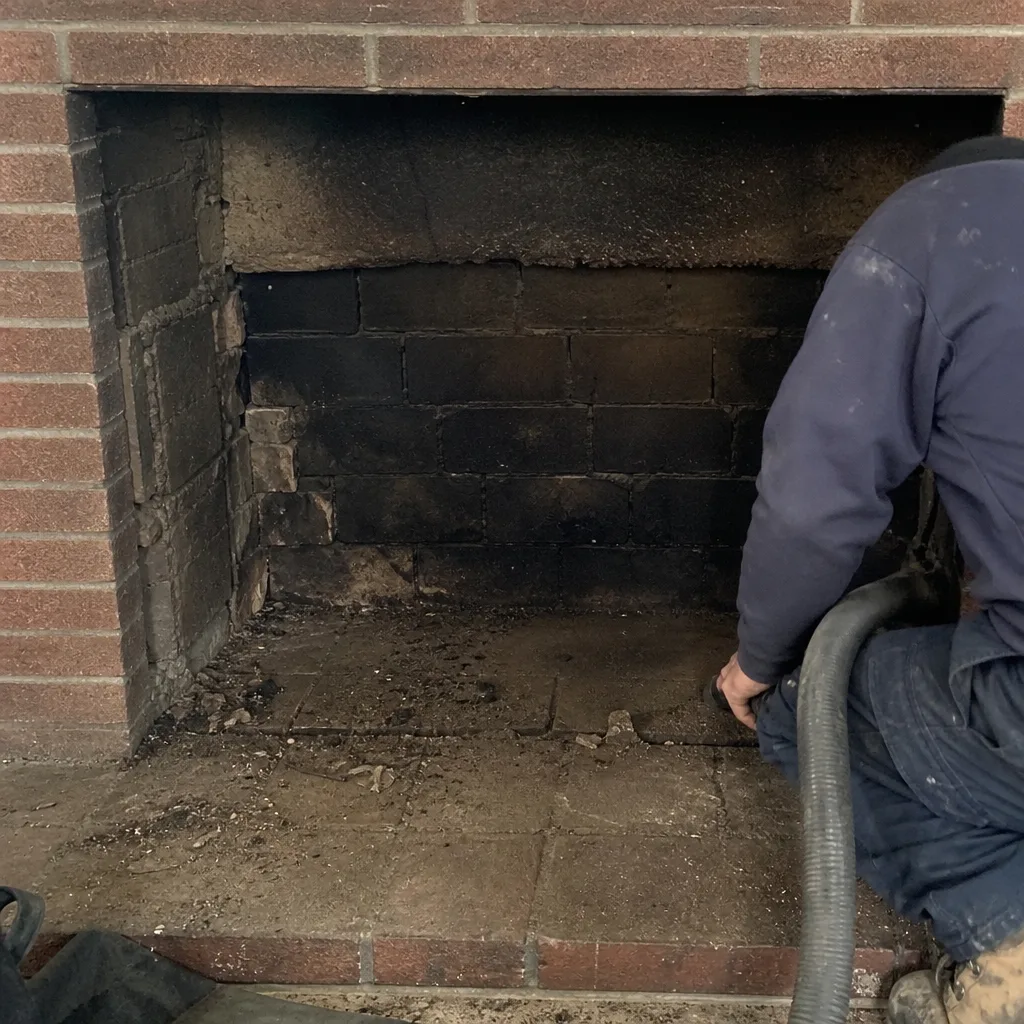 Before
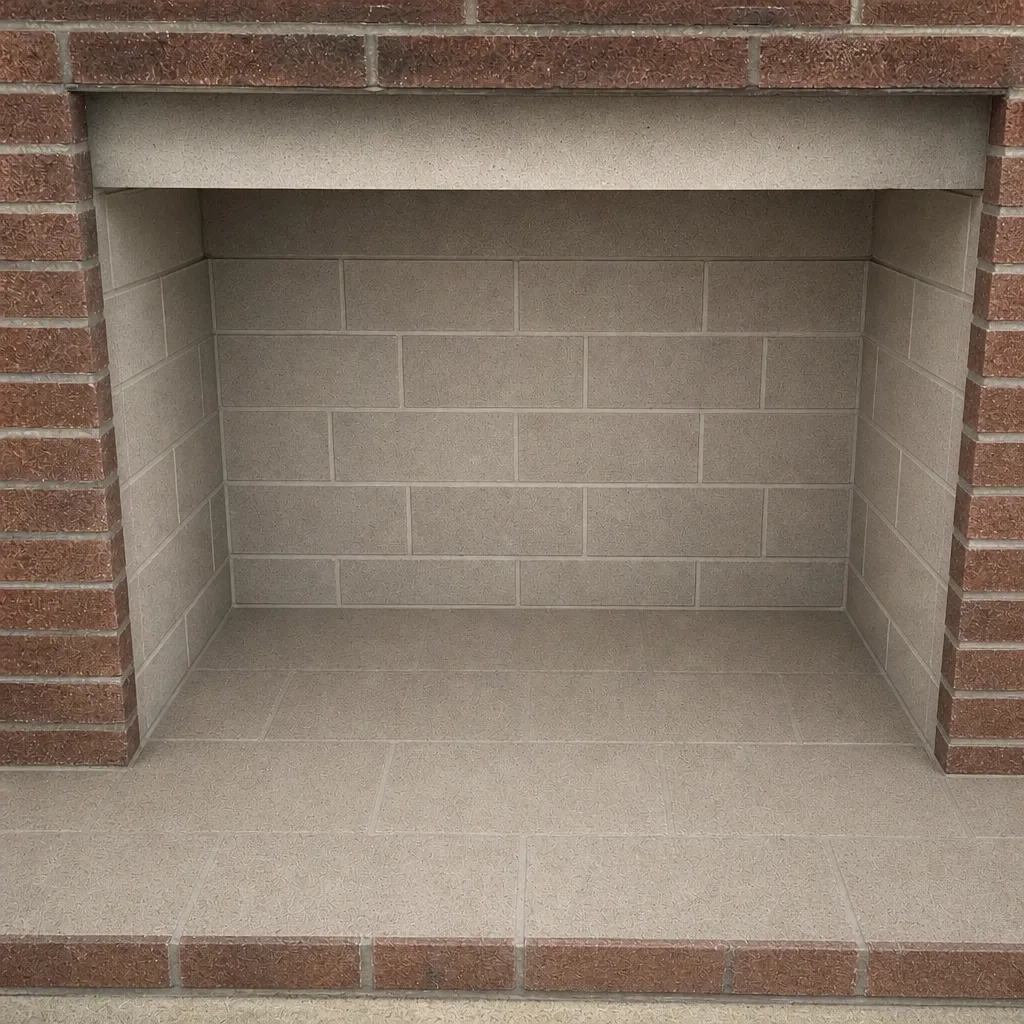 After
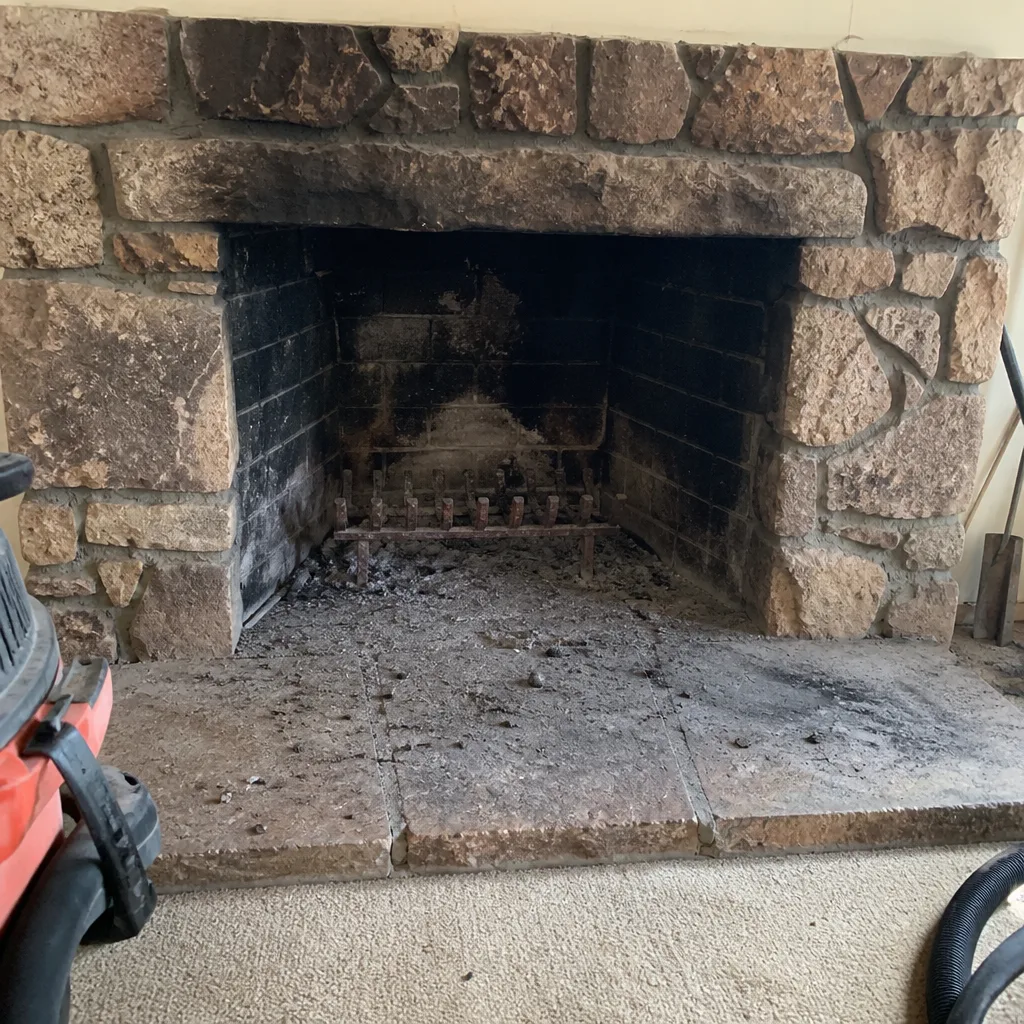 Before
 After
 Before
 After
When to Call a Professional
Call a chimney professional when you can see stage 2 or stage 3 creosote from the firebox, when a persistent damp smell returns after every wet spell, when smoke backs into the room with the damper open, when the exterior shows efflorescence, spalling, or crumbling mortar, or when the damper no longer opens and seals cleanly. All of those signs point to something a sweep or an inspection needs to look at directly. Any chimney fire, even a small one, is a call a professional should make before the next fire is lit.
Westchester Chimney Sweep Pros offers free estimates in Westchester. Call (866) 490-9807 to book an inspection or a sweep. We answer 24/7, with fast dispatch from 7am to 7pm, Sunday through Friday. Our technicians have up to 15 years of experience reading exactly the warning signs covered in this guide, and we work with the professional-grade materials the trade specifies: DuraFlex, HeatShield, Famco, Copperfield, Olympia Chimney, and Gelco.
Frequently Asked Questions
The first sign is usually a change in smell or draft rather than anything dramatic. A persistent musty odor from the firebox, smoke that lingers a little longer before going up the flue, or a damper that feels gritty are typical early signals. If you can see glossy or crunchy deposits on the flue wall from the firebox, the chimney needed a sweep before you noticed. Call (866) 490-9807 for a free estimate if any of these are showing up in your Westchester chimney.
For a chimney that’s used regularly, once a year is the standard. Westchester’s long fire season, mild winters and warm shoulder months, means many chimneys see more burning hours than owners realize, so annual inspection is the safe baseline. Chimneys that burn green wood or run with a partly closed damper benefit from an inspection sooner. Call (866) 490-9807 to book a sweep on your own schedule instead of waiting for the first cold snap.
White staining (efflorescence) is not dangerous by itself, but it’s a clear signal that water is moving through the masonry, and prolonged water intrusion is what damages brick, mortar, and flue tile. If the staining is dense, returns after cleaning, or comes with flaking brick, the chimney needs an inspection to find the water source. Call (866) 490-9807 for a free estimate on finding and fixing that source.
Light stage 1 soot brushes away easily, but stage 2 and stage 3 creosote require tools and training, and working inside a flue carries real risk from falling debris, restricted airflow, and residue that can ignite. We recommend a professional sweep for anything past light soot. Call (866) 490-9807 and we’ll talk through what you’re seeing before you do anything else.
Smoke backing into the room almost always means either a draft problem or an obstruction in the flue. The chimney isn’t pulling air the way it should, so the smoke finds the path of least resistance, which is your living room. Don’t light another fire until it’s been looked at. Call (866) 490-9807 for a Westchester inspection and stop using the fireplace in the meantime.
Yes, regularly. A generalist contractor can clean a firebox, but reading creosote grade, spotting efflorescence as a structural signal, identifying a cracked flue tile, and matching the repair to the right materials are chimney-specific skills. We use the same trade-grade products chimney engineers specify, including DuraFlex and HeatShield, and we can tell you what your chimney actually needs and what it doesn’t. Call (866) 490-9807 for a free estimate in Westchester.
The Bottom Line
The chimney warning signs that matter most are the quiet ones: a damp smell that returns each wet season, glossy or crunchy creosote visible from the firebox, white efflorescence creeping across the brick, a damper that no longer opens smoothly, and smoke that lingers a beat too long before it exits. None of them are dramatic. All of them point to problems that cost much less to fix early than late. If you’ve recognized even one of these signs in your Westchester home, get an inspection before the next fire. Westchester Chimney Sweep Pros offers free estimates, works with professional-grade materials, and shows you what the camera finds. Call (866) 490-9807 to book. We answer 24/7, with fast dispatch from 7am to 7pm, Sunday through Friday.
If you’re ready to book a sweep, start with our chimney sweep page, or look at chimney cap & crown work if water damage is the concern. For firebox-level issues, see fireplace repair, and for the full picture of how we work, the Westchester Chimney Sweep Pros home page covers every service we offer.
Written by the team at Westchester Chimney Sweep Pros.