
Last updated November 22, 2026
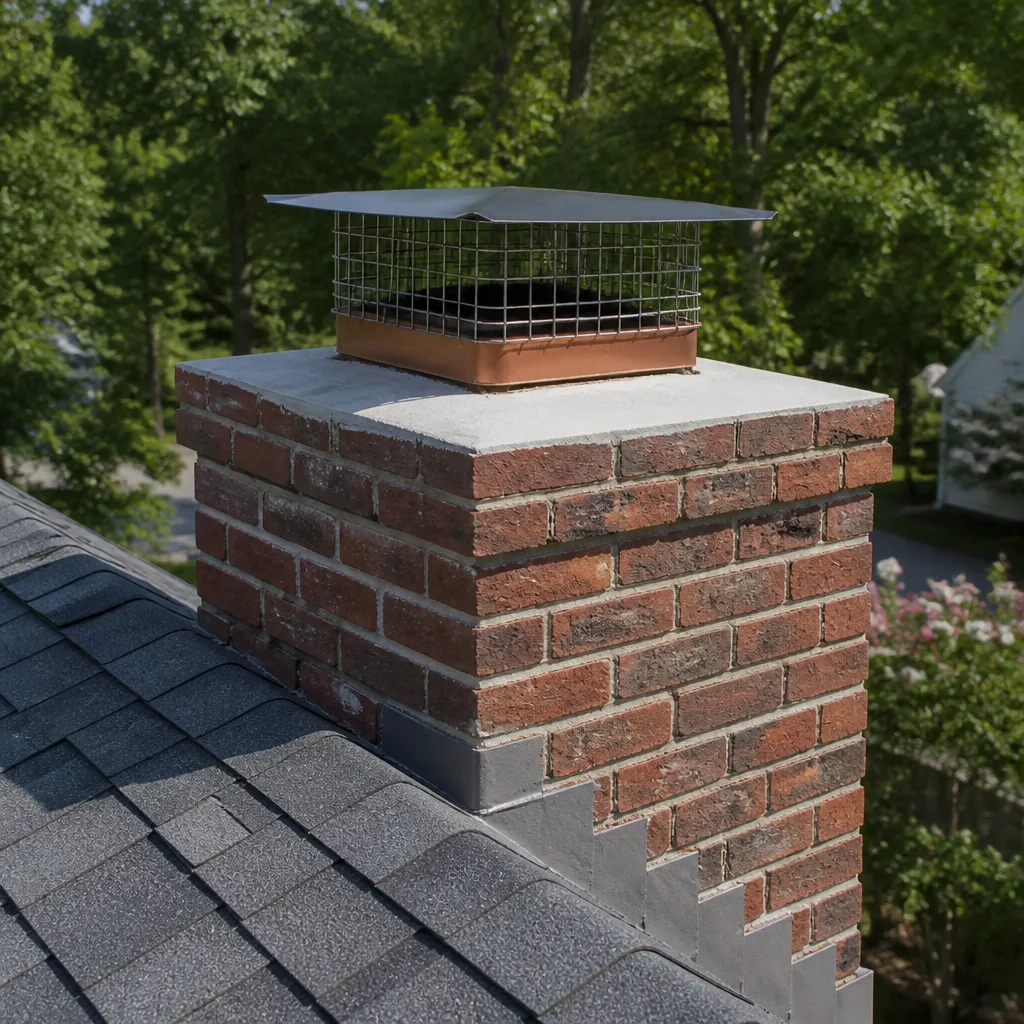 Sweep & inspection
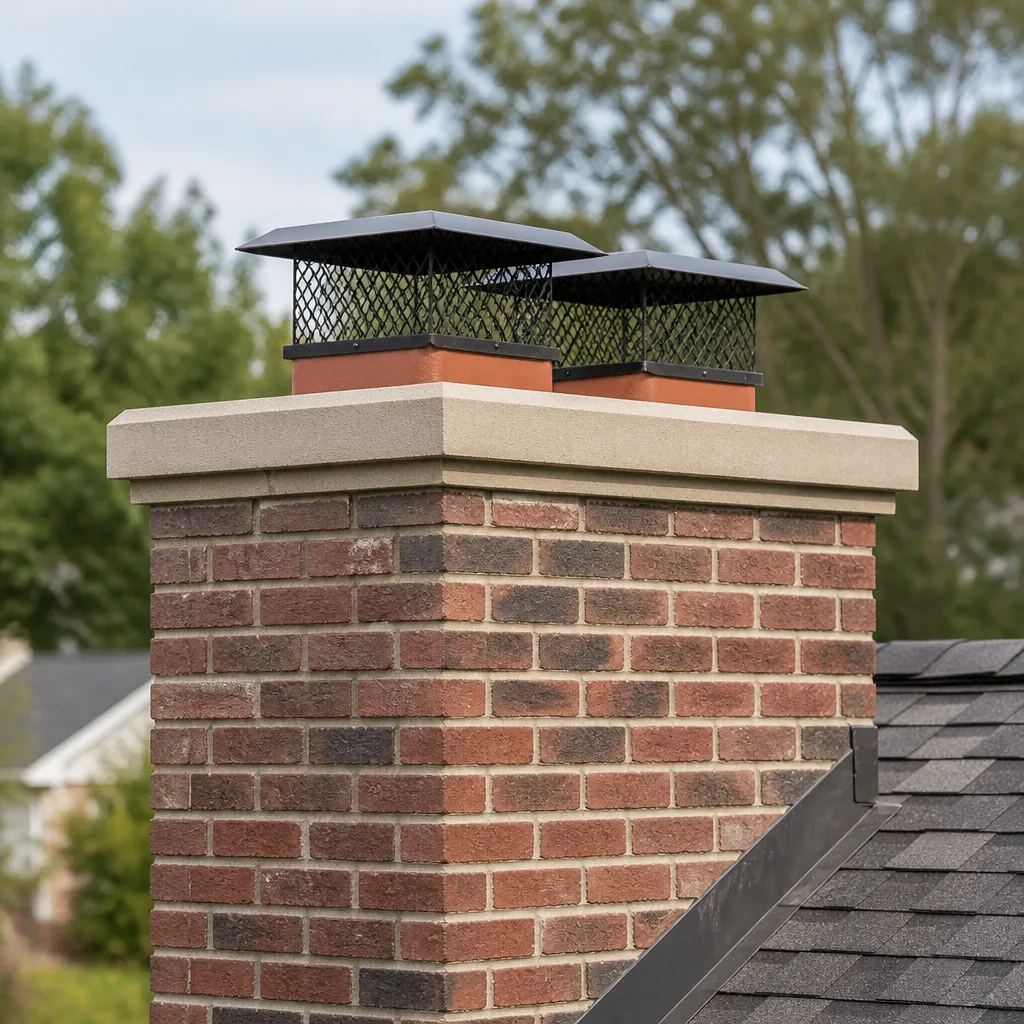 Caps & crowns
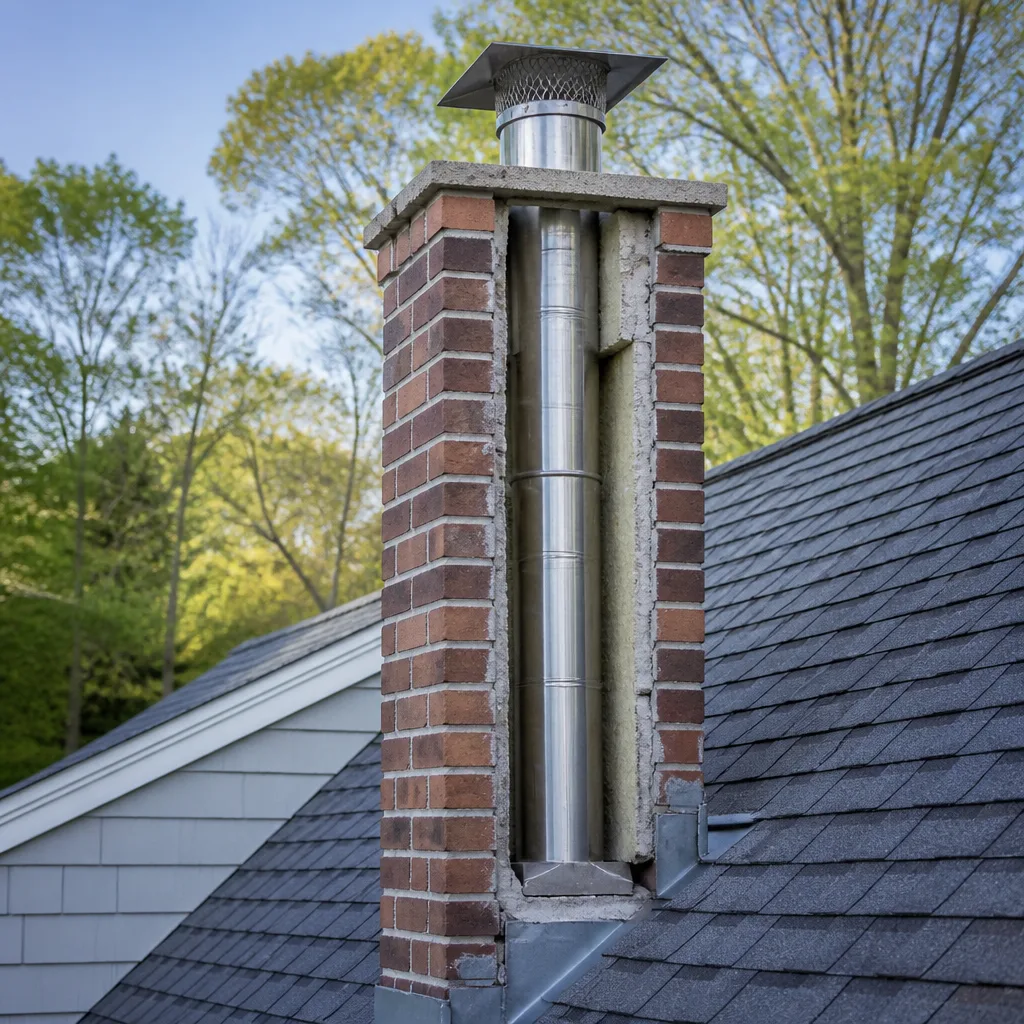 Flue relining
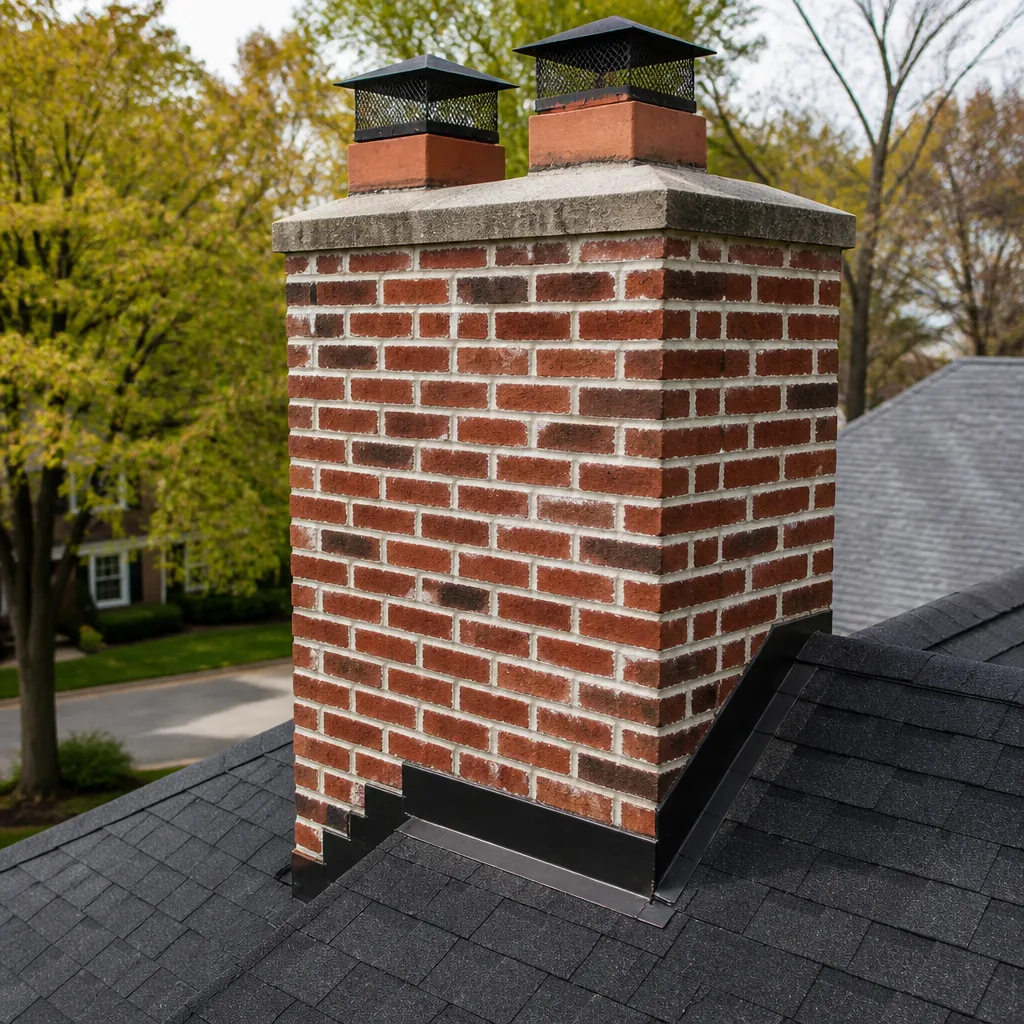 Masonry repair
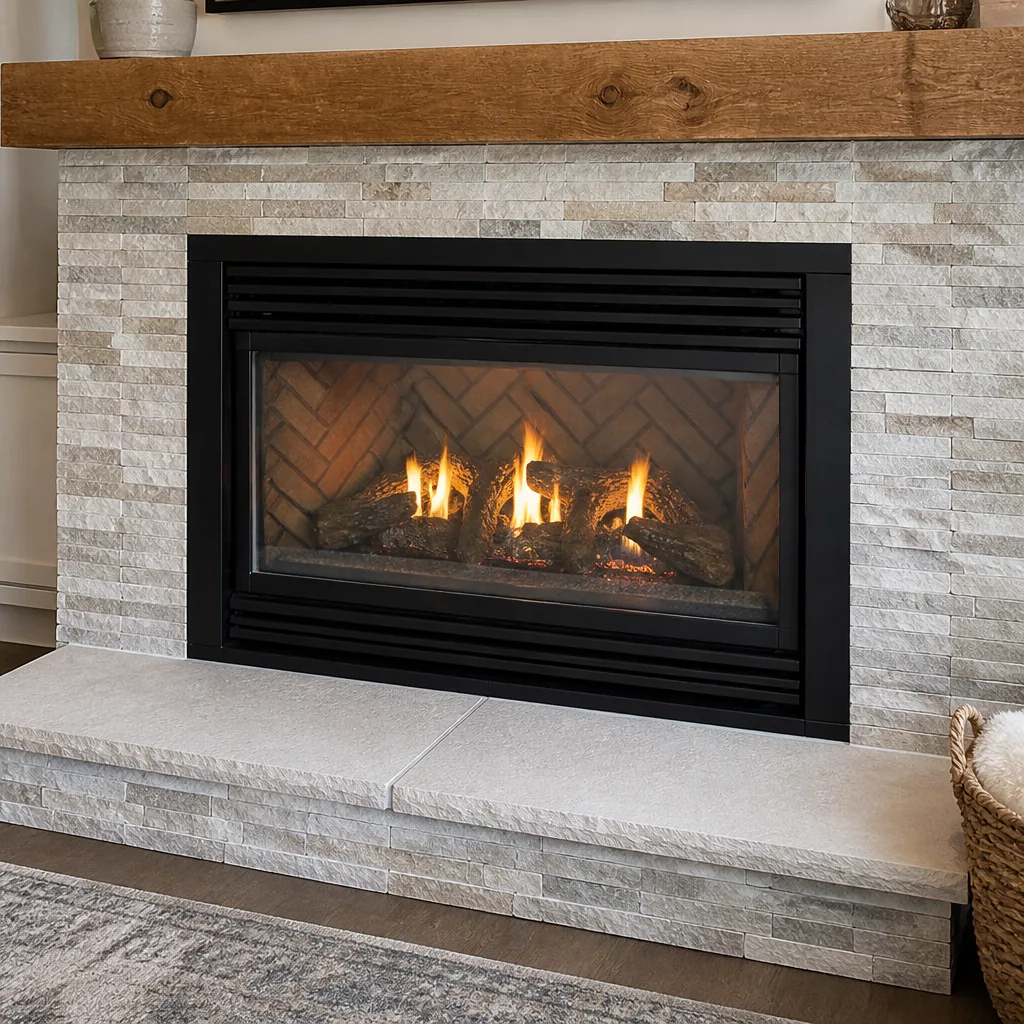 Gas fireplace service
Level 1 sweep and inspection to the NFPA 211 annual standard - flue, crown, cap, and flashing checked and photographed
Chimney sweep logs do not sweep chimneys. They loosen some creosote - which then falls where a brush and vacuum still have to collect it.
Choosing the Right Chimney Cleaning Brand: A Buyer’s Guide for Westchester
When a chimney sweep recommends a specific liner brand or sealant, most homeowners have no way to evaluate whether it’s the right product or just the one with the best contractor margin. The brand name on the box tells you almost nothing on its own. What matters is the material grade, the application conditions the product requires, and whether the person installing it has the training the manufacturer specifies. In Westchester, where chimneys deal with damp marine air for much of the year, those material choices carry more weight than most buying guides admit. This guide walks through what the differences actually mean for how long your chimney lasts, and the questions that separate a trade specialist from a generalist with a brush and a ladder.
Quick Answer
The right chimney company is the one that can tell you exactly which materials it uses in repairs and liners, why those specific products were chosen over cheaper substitutes, and what training or conditions each one requires to install correctly. In Westchester, that means asking about stainless liner alloy grades (304 versus 316), the brand and type of crown coating or flue sealant, and whether the company handles cap and crown work itself. A company that can’t answer those questions in specifics is a cleaning service, not a chimney specialist.
Styles & brands we work with
- Sweep & inspection
- Caps & crowns
- Flue relining
- Masonry repair
- Gas fireplace service
Table of Contents
- Why the Brand Question Is Really a Materials Question
- Flexible Stainless Liners: 304 vs. 316 Alloy and Westchester’s Air
- Evaluating Chimney Sealants and Crown Coatings
- Materials That Require Specific Conditions and Training
- Questions to Ask a Contractor About Materials
- How a Specialist’s Material Inventory Differs from a Generalist’s
- The Five Services That Should Live Under One Roof
- Evaluating Chimney Companies in Westchester
Why the Brand Question Is Really a Materials Question
Most homeowners shop for a chimney company by price and availability. The brand of the cleaning brush or the vacuum never mattered and never will. What matters is what goes into your chimney when something needs repair. A liner, a crown coating, a cap: these are the parts that determine whether your chimney performs for the next twenty years or leaks within three.
Here’s the problem. When a company quotes a relining job, the difference between a professional-grade flexible liner and a hardware-store substitute can be invisible in the quote. The words on the estimate are similar. The price difference is real but not dramatic. What changes is the alloy grade, the wall thickness, the certification of the joint system, and the conditions under which the manufacturer will stand behind the installation.
In Westchester, chimneys face a specific set of pressures. The air holds moisture through much of the year, which works on metal and masonry more persistently than dry inland air does. Combustion gases from gas, oil, and wood appliances each carry their own corrosive profile. A generalist contractor who buys the cheapest flexible liner on the shelf isn’t being malicious. They just don’t stock or specify the better grade because they don’t install enough of them to know the difference.
We’ve built our material selection around professional-tier product lines: DuraFlex for flexible liner systems, HeatShield for flue resurfacing, and Gelco, Olympia Chimney, Famco, and Copperfield across caps, dampers, and related components. These are the products chimney engineers specify. They’re not what you find at the local hardware store, and that’s the whole point. When you’re evaluating a company in Westchester, the brand question is your shortcut to understanding whether they think in trade terms or retail terms.
Flexible Stainless Liners: 304 vs. 316 Alloy and Westchester’s Air
Flexible stainless steel liners come in two alloy families that matter to homeowners: 304 and 316. The difference is molybdenum. Type 316 stainless contains it; type 304 does not. That single elemental difference changes how the metal holds up against chlorides and certain combustion byproducts. In a damp climate, 316 is generally the safer choice for wood and oil appliances, and it’s often required for appliances that produce more corrosive condensate.
What does that mean in practice for a Westchester homeowner? Here’s the honest breakdown:
- Type 304 is the standard-grade flexible liner alloy. It works well for many wood-burning fireplace inserts and is less expensive. It’s a legitimate product when matched correctly to the appliance and the chimney.
- Type 316 is the higher-alloy option. It handles chloride exposure and certain acidic condensates better. It’s often specified for oil appliances and for wood appliances where condensate is a real risk.
- Wall thickness matters as much as alloy. Thicker gauge liner resists crushing during installation and holds its shape against the flue tile over time.
- Joint construction is where cheap liners fail. Look for continuous-seam or welded construction, not seamed joints that can open as the metal expands and contracts.
A company that can’t tell you which alloy they’re quoting, or why, is a company that hasn’t thought about the difference. That’s the signal. When we quote a DuraFlex reline, we can tell you what alloy we’re proposing and why it fits your appliance and your situation. If a different product makes more sense for your chimney, we’ll say so.
Before any liner decision, the chimney needs a proper inspection to see what’s actually happening inside the flue. A camera inspection shows the condition of the flue tiles, the presence of any gaps or spalling, and whether a liner is even necessary. That inspection is the foundation of every honest recommendation. Without it, any liner quote is guesswork. If you’re due for one, a proper chimney sweep visit includes a look at the flue and often a camera assessment alongside the cleaning.
Evaluating Chimney Sealants and Crown Coatings
The crown is the concrete cap at the very top of the chimney. It sheds water away from the masonry below. When it cracks, water works its way into the chimney structure, and that’s the leading source of chimney water damage. Sealants and crown coatings are how a specialist addresses this. The difference between a professional-grade product and a hardware-store tube of caulk is substantial.
What professional-grade crown coatings do differently
- Flexibility. A good crown coating moves with the masonry as it expands and contracts through the seasons. Hardware-store patching compound cracks within a season or two because it’s rigid.
- Adhesion to damp masonry. Professional sealants are formulated to bond to masonry that carries some residual moisture. Consumer products need a dry surface, which is often impossible to guarantee.
- UV resistance. The crown sits in direct sun. Cheap coatings chalk and break down. Professional products are formulated for years of sun exposure.
- Vapor permeability. Some specialty coatings let moisture escape from inside the chimney while blocking water from outside. That distinction matters, because trapping moisture in masonry causes spalling.
Brands matter here, but only in the sense that they signal the product tier. Gelco, for example, makes crown and masonry coatings formulated for the trade. Famco produces chimney caps and related components built to spec. When a company works with these lines, they’ve made a decision about the quality tier of everything they install. That decision is what you’re really evaluating.
Cap and crown work is a specific service that too many companies treat as an afterthought. We treat it as a core offering because it’s the single highest-leverage thing you can do for a chimney’s longevity. If you want to understand what’s involved in a proper chimney cap & crown installation, that’s the deeper conversation.
The application question
Here’s what most buying guides skip. Even a professional-grade product fails if it’s applied wrong. Crown coatings need proper surface prep: cleaning, sometimes a bonding agent, sometimes a primer, and specific temperature and moisture conditions during application. A company that knows the product knows the conditions. A company that doesn’t will read the label for the first time on your roof.
Materials That Require Specific Conditions and Training
Some chimney repair materials aren’t just better products; they’re products that require specific training and specific conditions to install correctly. HeatShield is the clearest example. It’s a flue resurfacing system that repairs deteriorated flue tiles by applying a ceramic-like compound to the interior of the flue. When it’s done right, it can restore a chimney’s safe function without a full liner replacement. That saves the homeowner significant money. When it’s done wrong, the repair fails and the chimney’s worse off than before.
What makes HeatShield different from a liner:
- It resurfaces existing flue tiles instead of inserting a new pipe. That means less disruption, no change to the flue’s dimensions, and often lower cost.
- It requires specific application conditions. The flue has to be cleaned to a specific standard first. The compound has to be mixed and applied with the right tooling. Temperature and moisture conditions affect the cure.
- It requires brand-specific training. The manufacturer trains applicators on the system. A company without that training can’t buy the product through official channels and doesn’t know the failure modes.
- It addresses a specific range of tile damage. HeatShield is the right answer for certain patterns of flue deterioration and the wrong answer for others. Knowing which is which is the whole job.
The broader point: the chimney trade has product tiers. Some products are commodities you can buy anywhere. Others require training, certification, or specific conditions. When a company only works with commodity products, it can only offer commodity repairs. A full-service specialist works across both tiers.
Our technicians have up to 15 years of experience working with these systems, and that experience is often what tells the difference between a repair that lasts and one that doesn’t. A fireplace repair involving firebox mortar or a damper often interacts with the flue condition, and that’s where the material decisions compound.
Questions to Ask a Contractor About Materials
The clearest signal of a company’s trade knowledge is how it answers questions about materials. A specialist will answer in specifics. A generalist will deflect to price or process. Here are the questions, and what the answers reveal.
- “What brand of chimney liner do you install, and why that brand?” A specialist names the product line and explains the choice: alloy grade, compatibility with the appliance, warranty support. A generalist names a generic product or says “whatever’s available.”
- “Which alloy grade, and how do you decide?” The answer should touch on appliance type: wood, gas, or oil. If the company can’t distinguish between 304 and 316, they’re not evaluating materials at all.
- “What do you use for crown repair, and why that product over a standard patch?” A specialist talks about flexibility, adhesion, and the specific failure modes of rigid compounds. A generalist says “we use a good sealing compound.”
- “Can you explain the application conditions for the products you install?” Temperature, moisture, surface prep. The specialist knows these details because getting them wrong costs them warranty claims. A generalist reads the label at the job.
- “What’s the warranty on the materials versus the installation?” Specialist companies carry manufacturer warranties on the products, distinct from their own installation warranty. If they can’t explain the difference, they don’t know the products.
- “Do you handle cap, crown, liner, and repair, or do you refer some out?” A full-range specialist handles all of it. A cleaning-only company refers the rest. Referrals mean another set of material decisions and another layer of accountability.
Here’s what inability to answer reveals. When a contractor dodges a material question with “we use the best” or “we’ve been doing this a long time,” they’re telling you they don’t have a material-selection process. They have a best-available-at-the-supplier process. In Westchester, where the humidity works against every repair, that distinction is the difference between a job that lasts a decade and one you redo in three years.
How a Specialist’s Material Inventory Differs from a Generalist’s
A generalist contractor keeps a generalist’s inventory. Materials that cross multiple trades: caulk, expanding foam, generic patching compound, some stainless flashing. Chimney work happens occasionally for them, not every week. They buy what’s needed for the job at hand. That works fine for a small repair. It doesn’t work for a liner system, a crown rebuild, or flue resurfacing.
A chimney specialist stocks and trains around products that only exist in the chimney trade. Think about what that means for your repair:
- Correct specification. The specialist matches the product to the appliance and the flue condition, not to what’s available at the supply house that morning.
- Manufacturer training. Each professional-tier product line has its own installation requirements. A specialist has been trained on each system they install. That training is what makes the warranty meaningful.
- Warranty support. When a specialist installs a DuraFlex liner, the manufacturer’s warranty is registered to your installation. When a generalist installs a liner from an unknown source, there’s often no warranty path at all.
- Longevity. The combined effect of correct specification, trained installation, and warranty support is a repair that lasts. Cheap materials with untrained installation fail on a predictable timeline.
This is why we work exclusively with six professional-tier product lines: DuraFlex, HeatShield, Gelco, Olympia Chimney, Famco, and Copperfield. These are the same materials certified chimney engineers specify. They’re not the cheapest options available, and we’re upfront about that. They’re the ones we can stand behind.
The Five Services That Should Live Under One Roof
Chimney care is a connected system. A sweep that reveals a cracked crown is the same visit that should produce a crown estimate. A repair that requires a liner inspection shouldn’t require a separate phone call to a different company. The specialist model is one company handling the whole scope, which is why we built our practice around five core services.
- Westchester Chimney Sweep Pros – the umbrella. Every service below is handled by the same team, with the same material standards.
- chimney sweep – the annual cleaning that removes creosote and debris, plus a visible inspection of the flue and firebox. This is where most repair conversations start, because it’s where the problems become visible.
- chimney cap & crown – cap installation to keep water, animals, and debris out; crown repair or rebuild to keep water away from the masonry itself. This is the single highest-value service for a Westchester chimney given the year-round moisture load.
- fireplace repair – firebox mortar, damper function, hearth cracks, and the components that make the fireplace safe to use.
- Chimney repair – liner installation, flue resurfacing with HeatShield, masonry repair, flashing work, and the structural repairs that show up over time. This is where the material tier matters most.
One company from inspection to repair, with no handoffs and no subcontractors. The advantage isn’t convenience; it’s consistency. When the person who swept your chimney is also the person who quotes the repair, the material recommendations reflect what they actually saw, not what a second contractor’s sales process produces.
Evaluating Chimney Companies in Westchester
There’s no shortage of chimney companies serving Westchester and the surrounding area. Most of them do honest work at reasonable prices for the services they offer. The question for a homeowner is whether the company they choose can handle the full scope of what their chimney actually needs, with the materials the trade considers professional-grade.
Here’s how to think through the evaluation:
- Start with a sweep and inspection. Before you talk to anyone about repairs, have the chimney cleaned and inspected. Any liner or repair quote without an inspection is speculative.
- Ask for the material specifics in writing. The estimate should name the brand and alloy grade of any liner proposed, the product used for crown work, and the warranty on both materials and installation.
- Ask what the company doesn’t do. A specialist knows the limits of their scope. A generalist will say yes to everything. If a company claims to do chimney work alongside gutters, roofing, drywall, and landscaping, they’re not specializing.
- Ask about HeatShield or flue resurfacing. If a company can’t explain what flue resurfacing is, they’re a cleaning service. If they can explain when it’s appropriate and when it isn’t, they’re a specialist.
- Ask about cap and crown as a named service. If it’s not listed separately, it’s not a real offering. The company that treats it as an afterthought hasn’t thought about water damage at all.
- Ask about DuraFlex or a comparable professional liner line. The specific brand is less important than the answer. A specialist names the product and the reason.
Westchester homeowners deal with a particular set of conditions: mild winters that keep moisture in the air year-round, marine air that works on metal and masonry, and older housing stock where the chimney has seen decades of use and occasional neglect. The right company for your situation is one that understands those conditions and stocks the materials that address them.
Common Mistakes to Avoid
- Assuming the brand name on the box guarantees quality. The same brand can produce multiple product tiers. What matters is which specific product is being installed, and why. Ask for the model or grade, not just the brand.
- Choosing on price alone. A liner quote that’s significantly lower than the others usually reflects a commodity product with a lower alloy grade. That’s fine if it matches the appliance; it’s a problem if it’s just the cheapest option in the supply house.
- Accepting a repair recommendation without seeing the evidence. A camera inspection shows you exactly what’s happening inside the flue. Any recommendation you can’t see proof of is a recommendation to be skeptical of. A specialist will show you the photo or video report without being asked.
- Skipping crown work to save money. In Westchester’s climate, a failing crown lets water into the chimney structure throughout the wet season. That water damage is more expensive than the crown repair, by a wide margin, every time.
- Hiring a generalist for a specialist’s job. A handyman can install a chimney cap. They can’t evaluate whether the liner needs replacement, whether the flue tiles are deteriorated enough for resurfacing, or what product matches the appliance. The difference in installation quality shows up over years.
- Ignoring the flue resurfacing option. Many homeowners assume a deteriorated flue means a full liner replacement. Often HeatShield resurfacing is the right answer, and it’s meaningfully less expensive. A company that doesn’t offer it will never mention it.
- Not asking about warranty terms. Material warranties and installation warranties are different things. The material warranty is often void if installation isn’t performed by a trained applicator. If the company can’t explain both, they haven’t thought about what happens when the product fails.
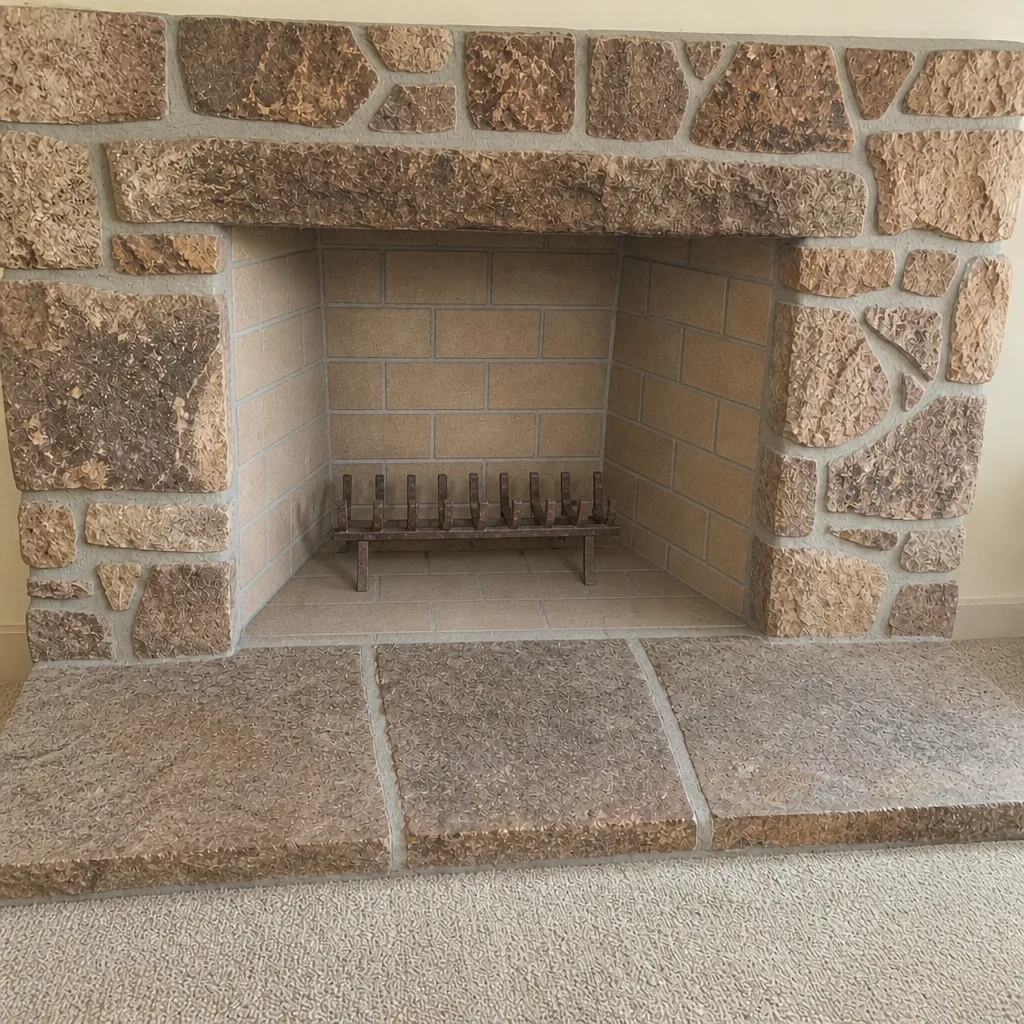
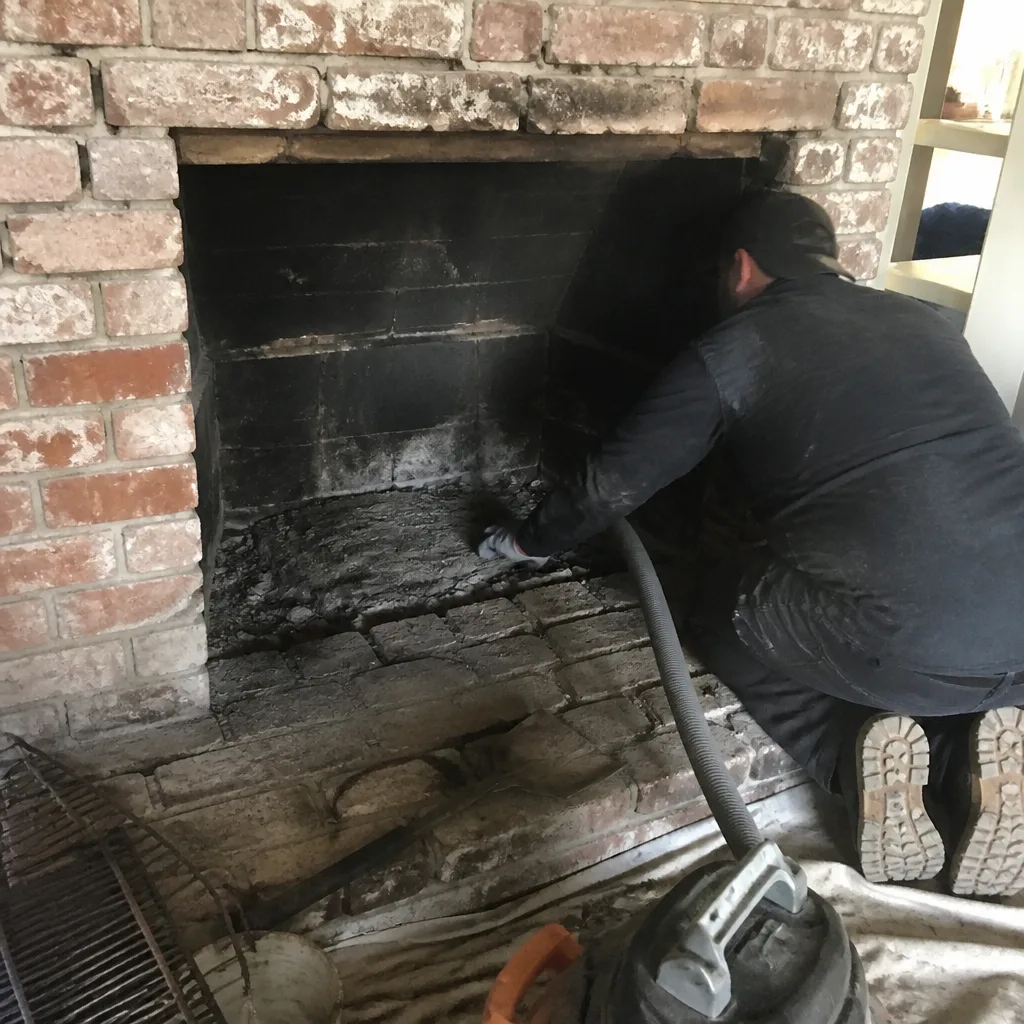
See the difference
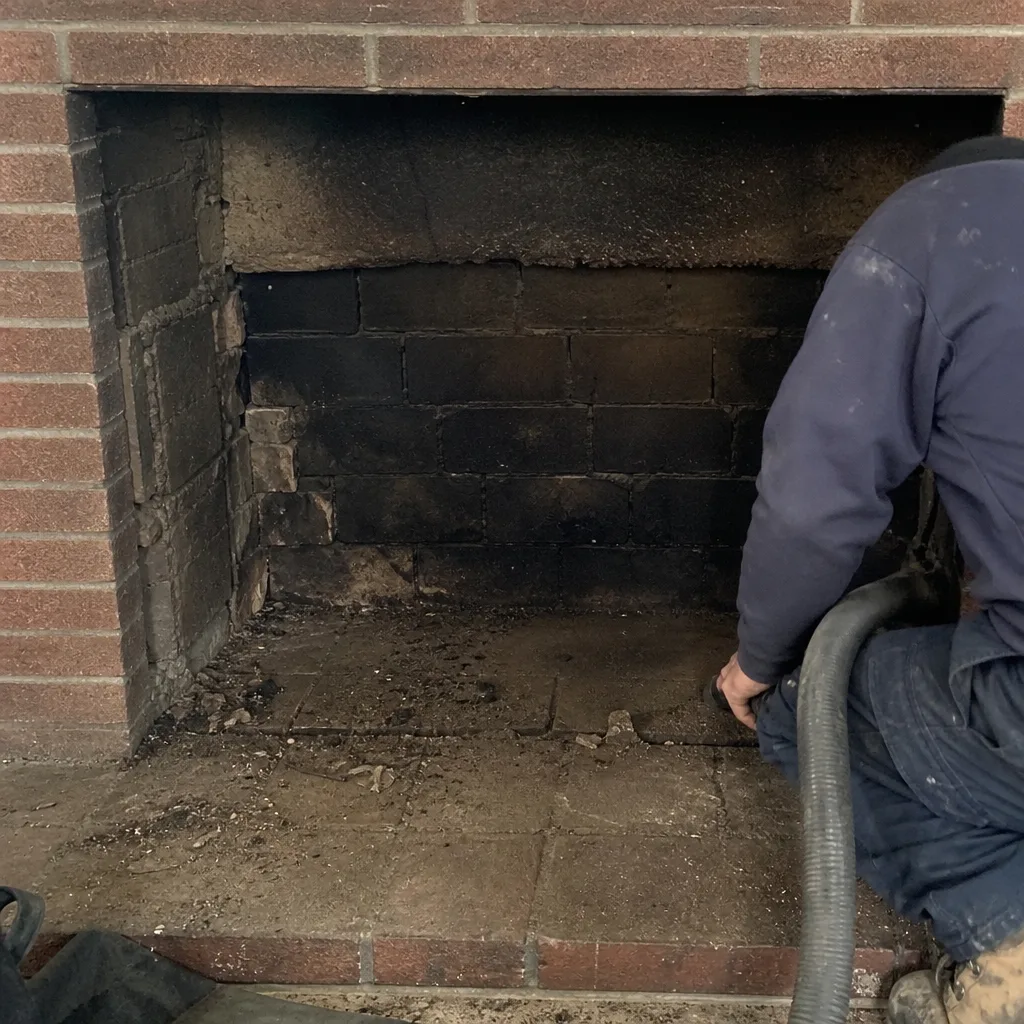 Before
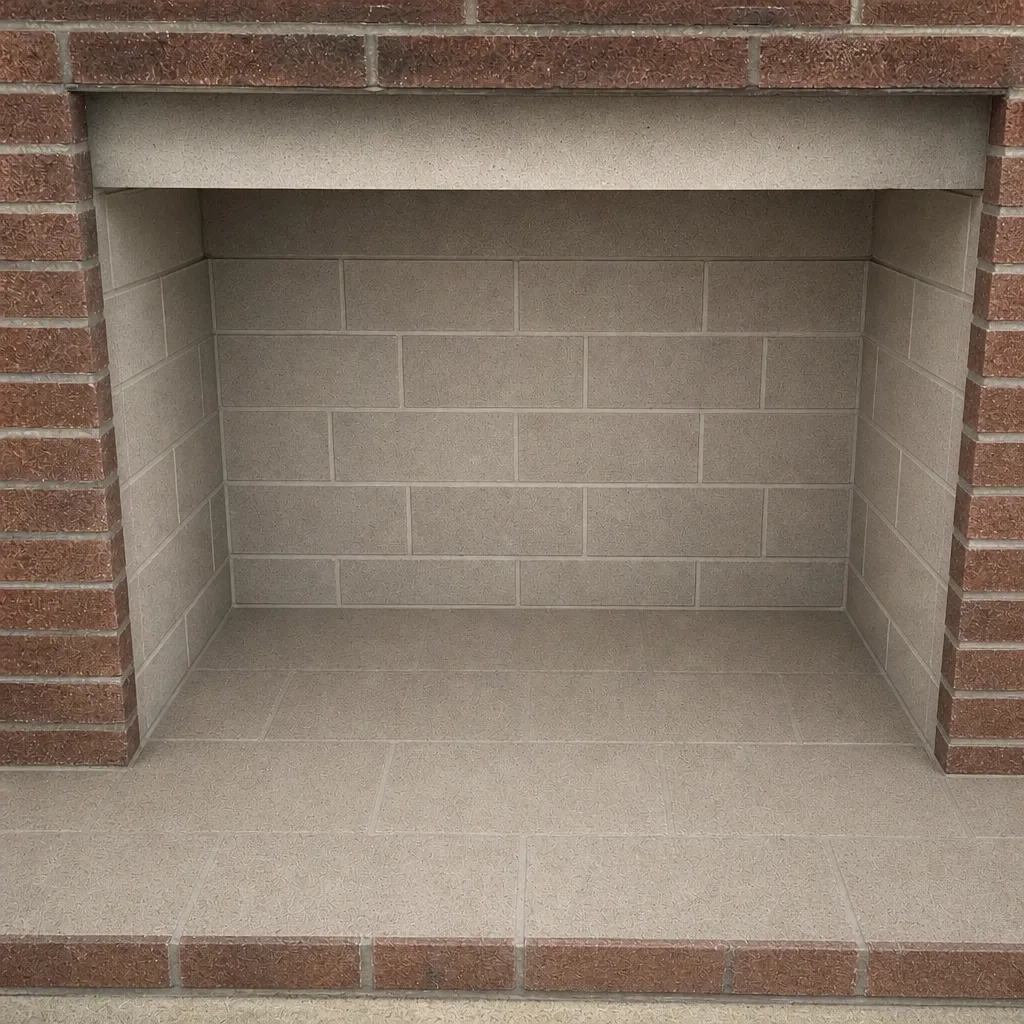 After
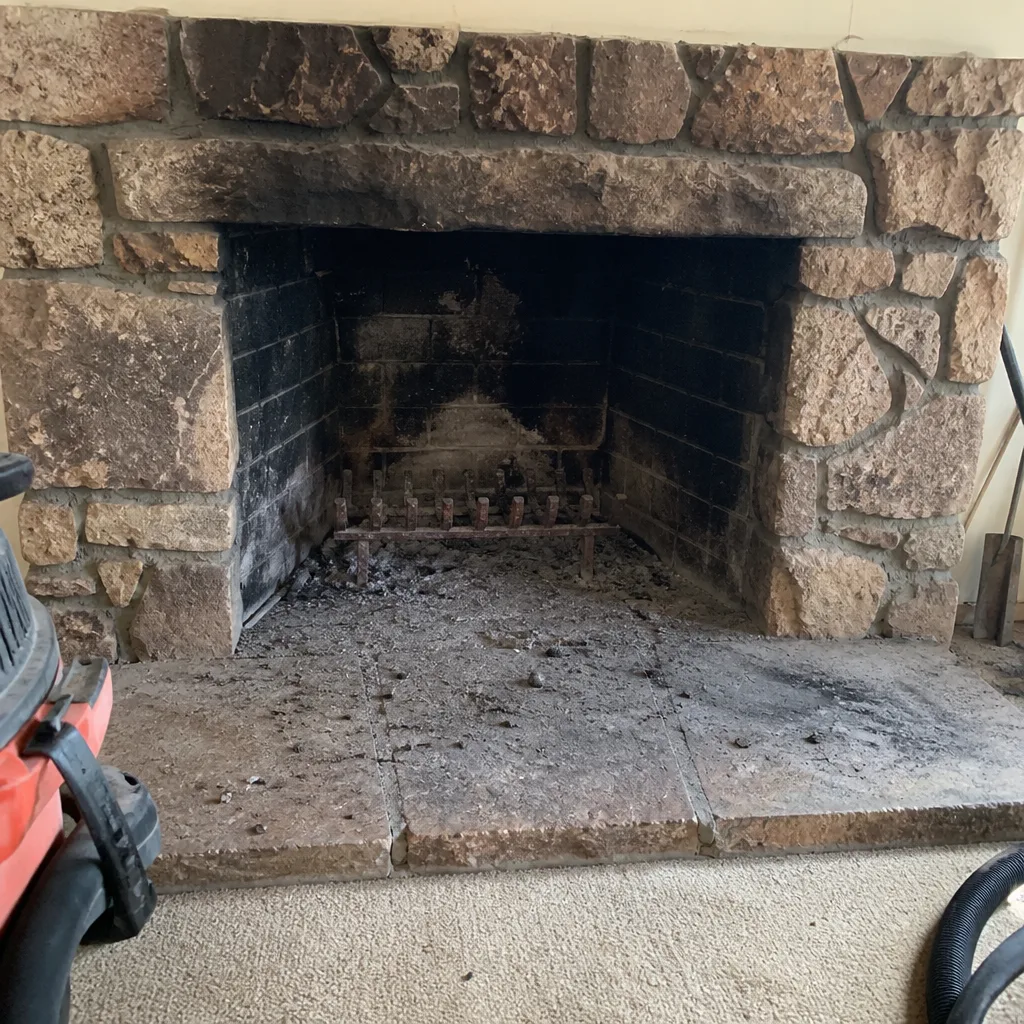 Before
 After
 Before
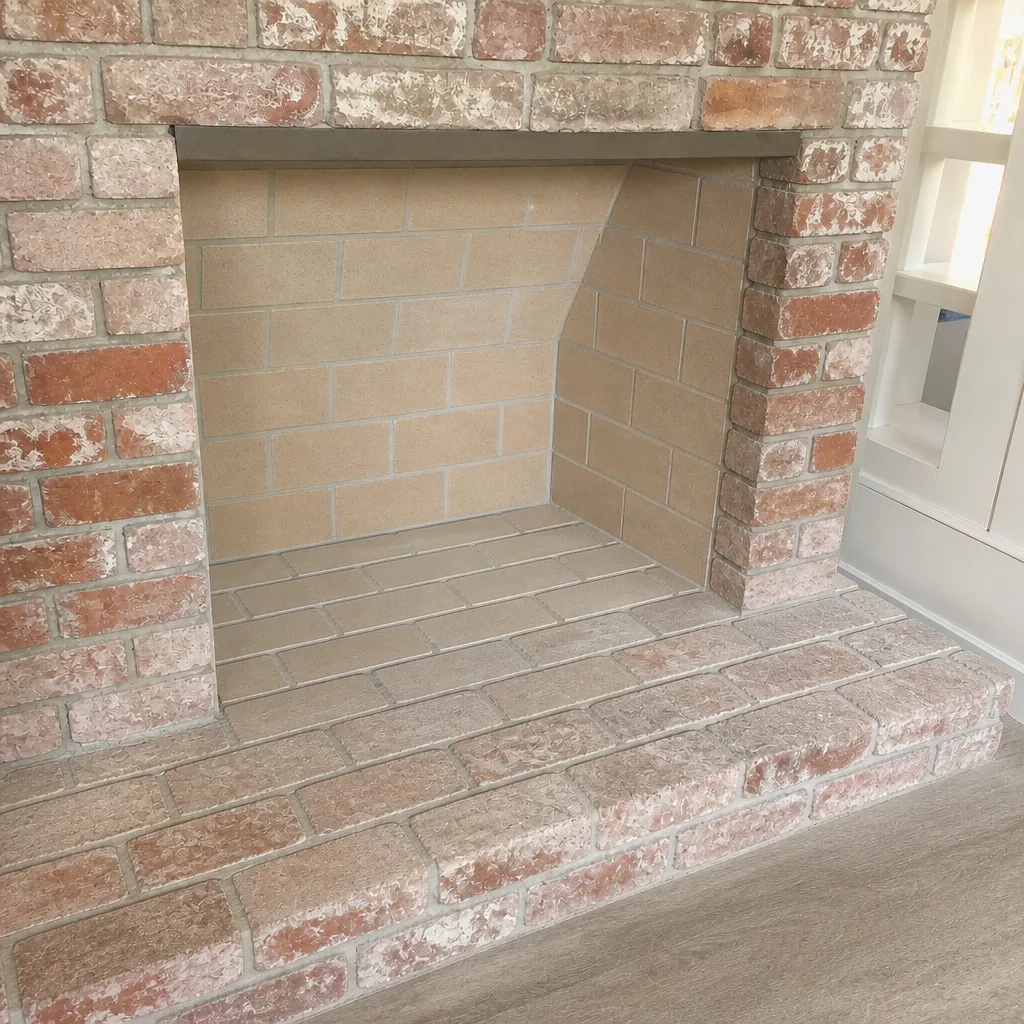 After
When to Call a Professional
Some chimney work is a routine call; some is urgent. Here’s when to pick up the phone.
An annual sweep and inspection handles the routine maintenance, and it’s what catches problems before they become expensive. If you’ve never had a chimney inspected or you don’t know when the last one was done, that’s the call. If you’re seeing water staining on the ceiling near the chimney, visible damage to the crown or cap, or the firebox has cracks in the mortar, those are signs to get a specialist out soon. If you smell smoke inside the house when the fireplace isn’t in use, or the fire doesn’t draw the way it used to, call. If your liner condition is unknown and the appliance hasn’t been serviced, get an inspection before you use it again.
Westchester Chimney Sweep Pros offers free estimates in Westchester. Call (866) 490-9807 to book a sweep, an inspection, or a consultation on repair materials. We answer 24/7. Fast dispatch from 7am to 7pm, Sunday through Friday. Every estimate is free, and the price is set per job by the written estimate.
Frequently Asked Questions
There’s no single best cleaning brand, because cleaning products aren’t where quality differences live. The meaningful brand decisions are in the repair materials: liner alloy, crown coatings, flue resurfacing systems. Look for a company that works with professional-tier product lines like DuraFlex, HeatShield, Gelco, Olympia Chimney, Famco, or Copperfield, and can explain the choice. Call (866) 490-9807 for a free estimate.
Yes. Type 316 stainless holds up better against moisture and certain combustion condensates than type 304, and in Westchester’s damp air, that difference plays out over the life of the liner. The grade should match the appliance: wood, gas, or oil each have different corrosion profiles. Ask what grade is being quoted and why. Call (866) 490-9807 to talk through your appliance and get a written quote.
Ask the company to name the product and the reason for choosing it, then check whether the manufacturer trains or certifies installers. Professional-tier chimney products typically require specific training and have warranty programs that depend on proper installation. If the company can’t tell you the product name or the installation conditions it requires, you’re looking at commodity work. Call (866) 490-9807 for an estimate that names the materials.
Sometimes, with the right product and the right training, but it’s uncommon. Liner installation requires matching the alloy to the appliance, sizing to the flue, proper joint construction, and manufacturer-specific installation technique. A generalist who installs liners occasionally typically works with commodity products and lacks the specific training. The failure modes show up years later. Call (866) 490-9807 for a quote from a chimney specialist.
HeatShield is a flue resurfacing system that restores deteriorated flue tiles from the inside, without a full liner replacement. It’s appropriate for certain patterns of tile damage and not others, so the decision requires a camera inspection first. If your chimney is a candidate, it can save meaningful cost over relining. Call (866) 490-9807 to discuss whether resurfacing fits your chimney.
Ask for the camera inspection footage or photos. Any competent specialist documents flue condition before recommending repair, and any honest one will happily share the evidence with you. If you can’t see the problem, you can’t evaluate the recommendation. We include a camera inspection and a photo report with every estimate so you have the evidence in hand. Call (866) 490-9807 to book yours.
The Bottom Line
The brand decision in chimney care is a materials decision, and the materials decision is where the trade separates into tiers. In Westchester, the stakes are real: moisture is in the air year-round, chimneys are old, and the gap between professional-grade products and commodity substitutes is months of extra service life versus decades. A company that works with DuraFlex, HeatShield, Gelco, Olympia Chimney, Famco, and Copperfield has made a decision about the tier it operates in. A company that can’t name its brands hasn’t made that decision at all. Ask the questions, look at the inspection evidence, and pick the specialist whose answers hold up.
Westchester Chimney Sweep Pros handles sweep, inspection, cap and crown, fireplace repair, and chimney repair as one specialist scope. Our technicians have up to 15 years of experience across the professional product lines the trade specifies. Call (866) 490-9807 for a free estimate. We answer 24/7. Fast dispatch from 7am to 7pm, Sunday through Friday.
Written by the team at Westchester Chimney Sweep Pros.