
Last updated November 22, 2026
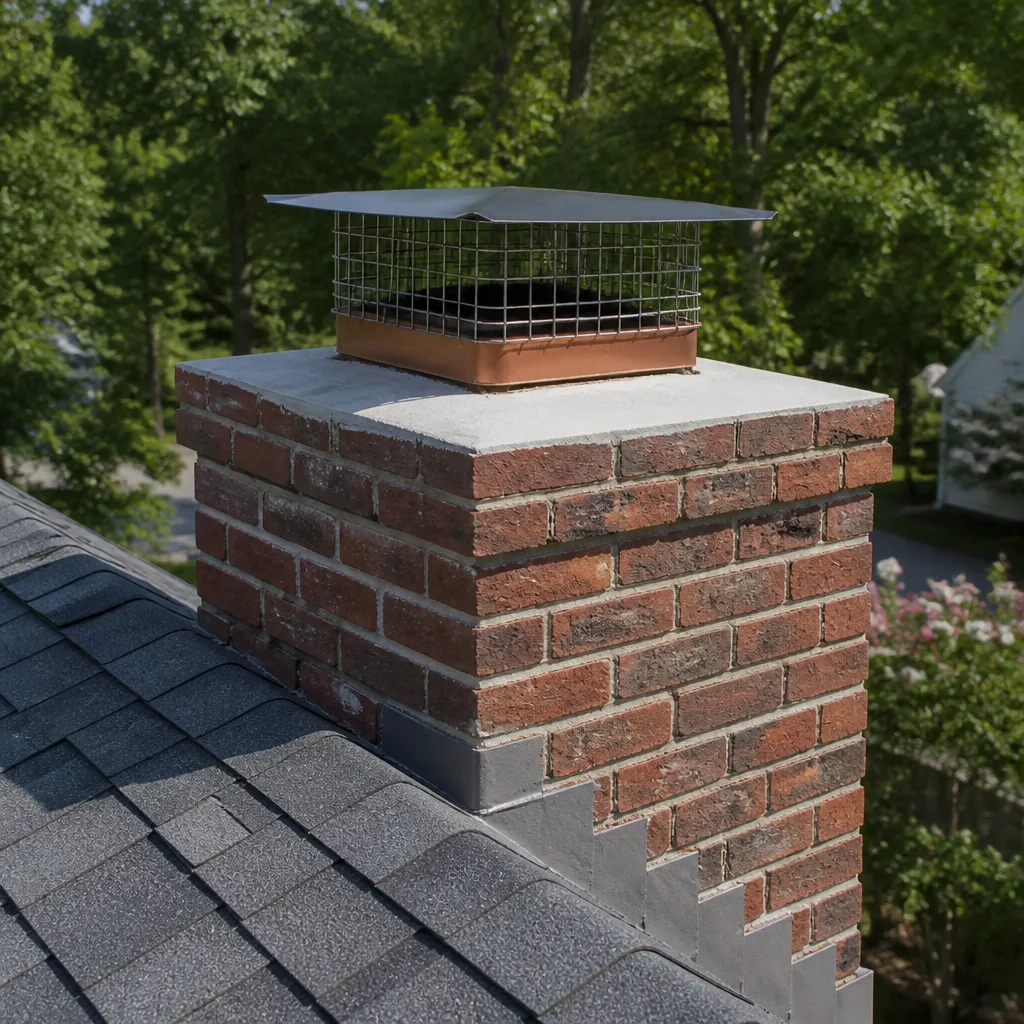 Sweep & inspection
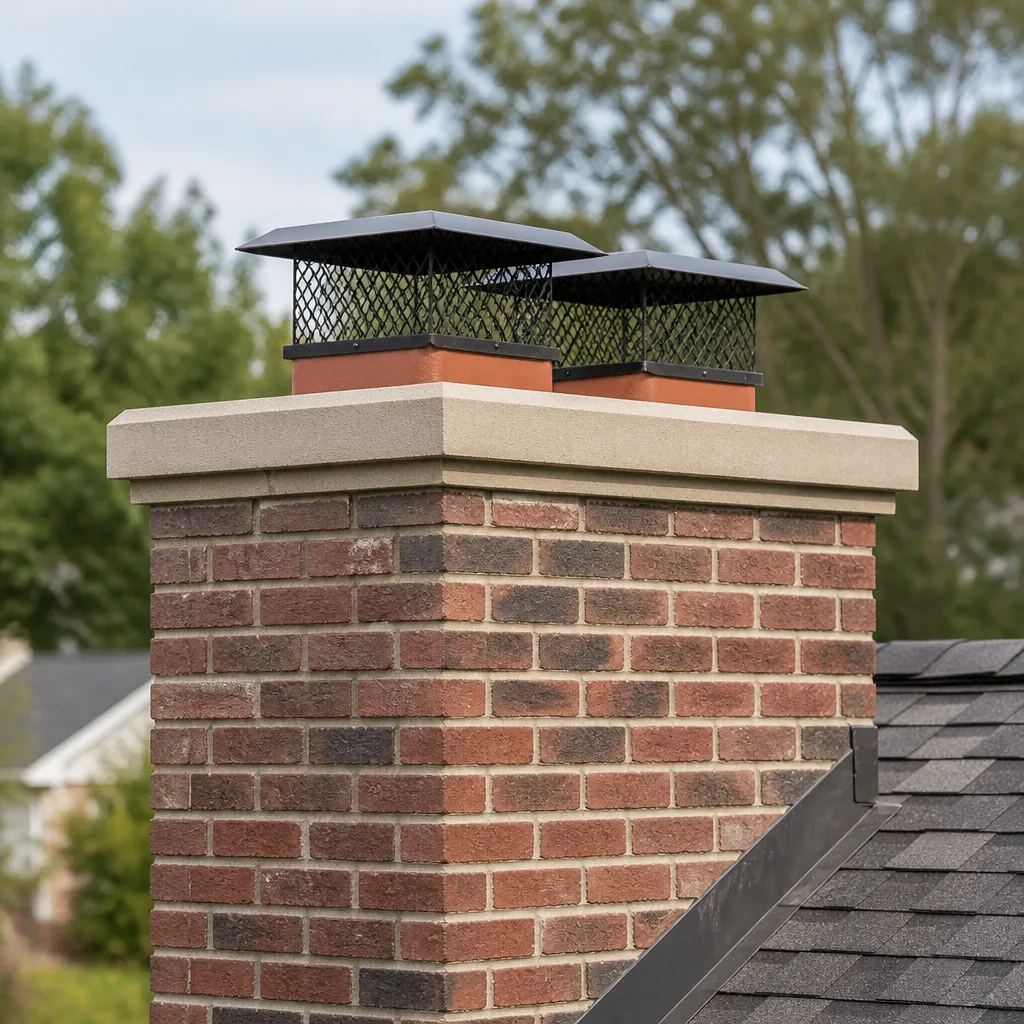 Caps & crowns
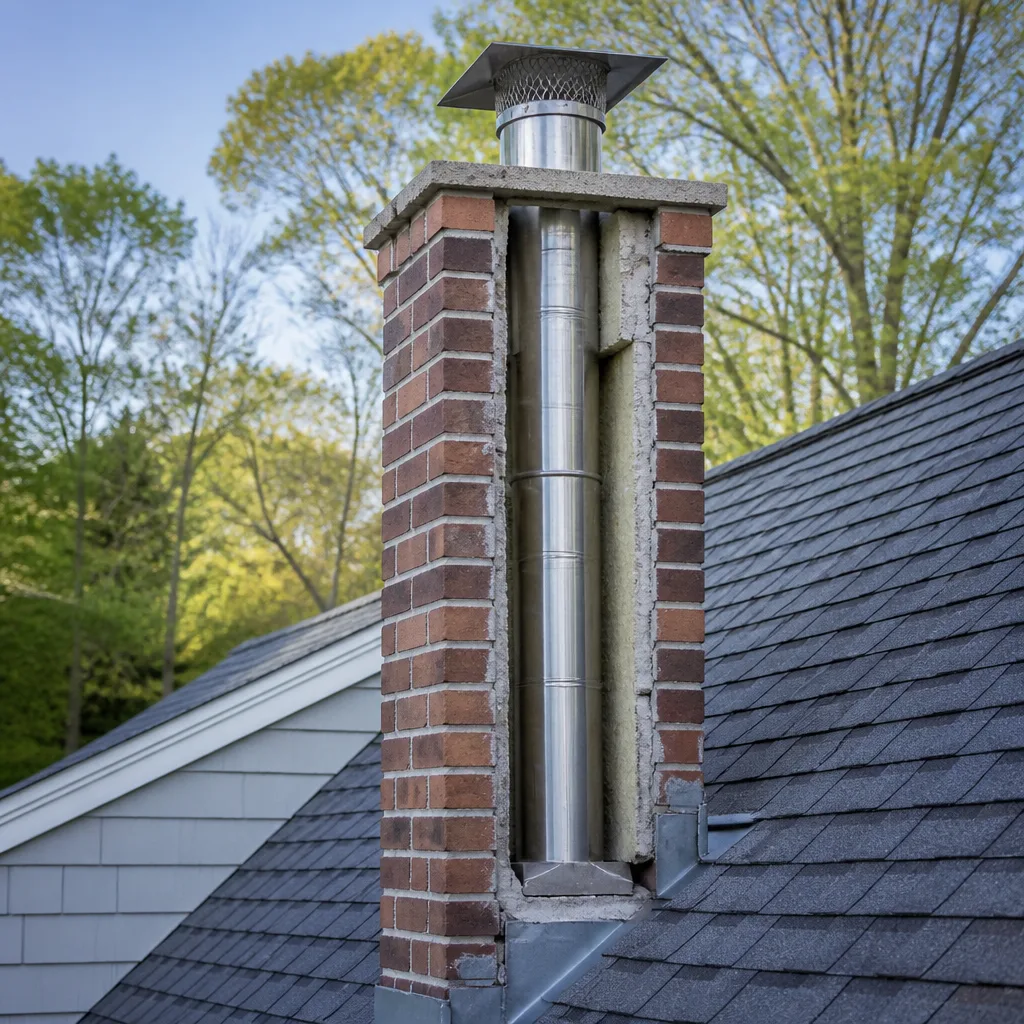 Flue relining
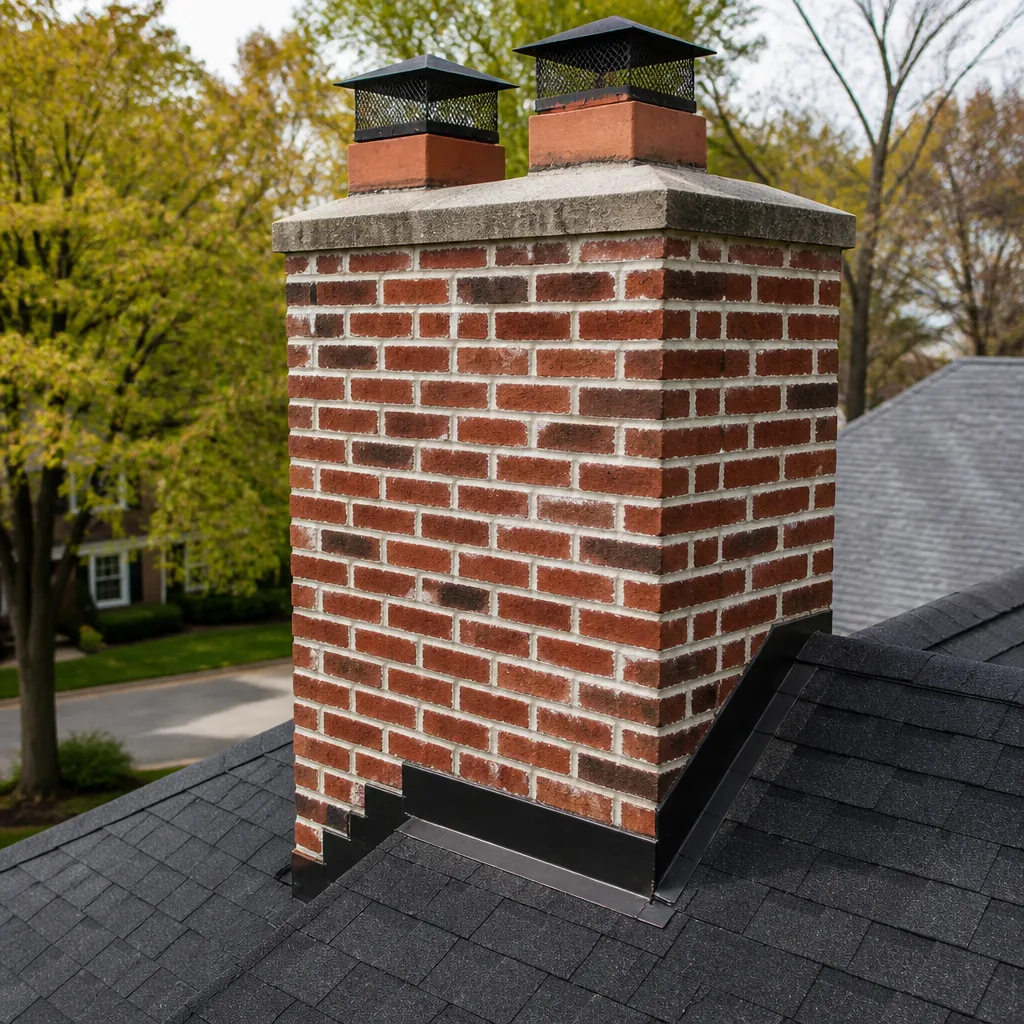 Masonry repair
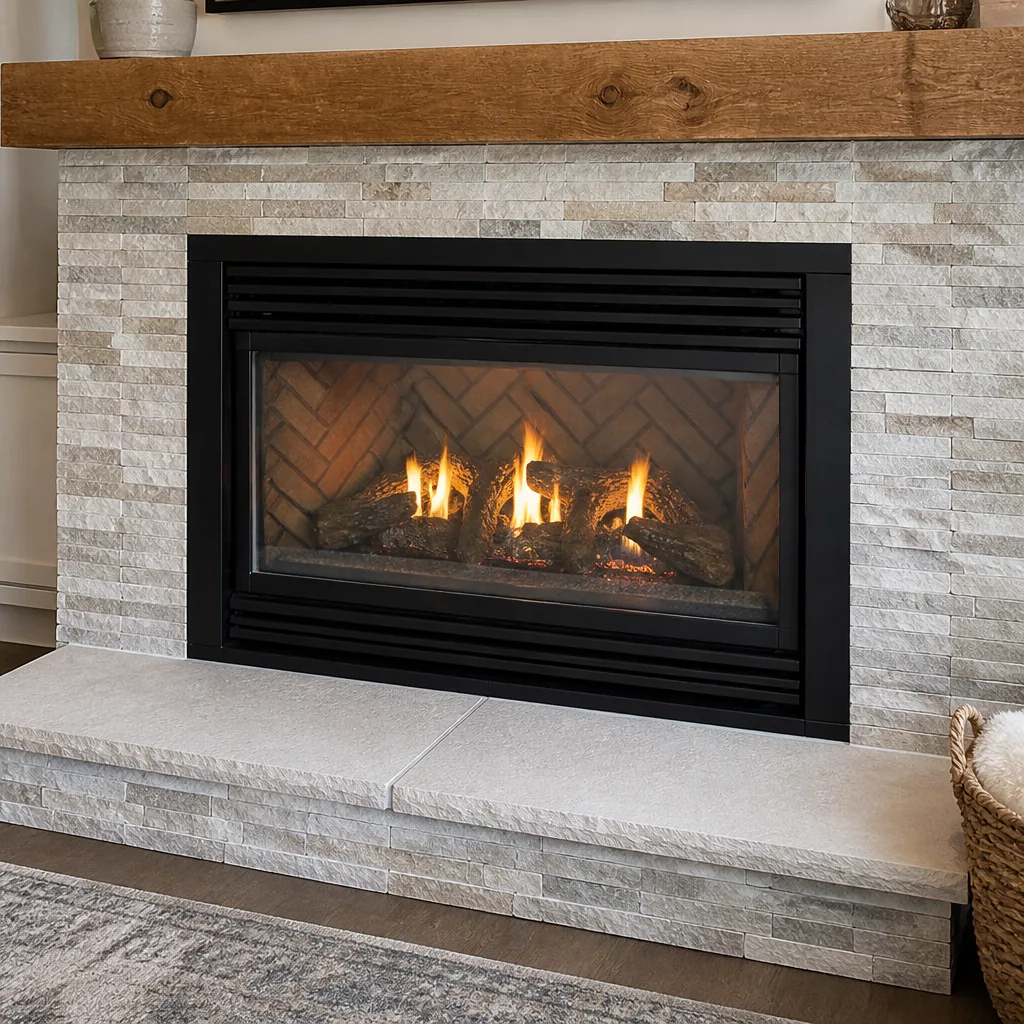 Gas fireplace service
Level 1 sweep and inspection to the NFPA 211 annual standard - flue, crown, cap, and flashing checked and photographed
Chimney sweep logs do not sweep chimneys. They loosen some creosote - which then falls where a brush and vacuum still have to collect it.
The Complete Guide to Chimney Cleaning in Westchester
Most chimney advice online was written for houses that burn wood six months a year in places where winter means snow. Westchester isn’t that. Here, the furnace rarely runs hard, fireplaces sit idle most of the year, and the air that does the real damage is soft, damp, and constant. That combination changes what a chimney actually needs, and it changes how often it needs it. Generic annual-sweep advice misses the point. In this guide we’ll explain what degrades chimneys in Westchester’s marine climate, why light use can be harder on a flue than heavy use in some ways, how the three inspection levels differ, and how to read a sweep’s report without getting talked into work you don’t need.
Quick Answer
Chimney cleaning in Westchester means more than brushing out soot. It means removing creosote and blockages, checking the flue for corrosion and cracked mortar from year-round marine humidity, and confirming the cap and crown are keeping water out. A full sweep with a camera inspection is the baseline for any actively used fireplace or fuel-burning appliance, and the report should tell you plainly what’s urgent, what’s preventive, and what can wait.
Styles & brands we work with
- Sweep & inspection
- Caps & crowns
- Flue relining
- Masonry repair
- Gas fireplace service
Table of Contents
- Why Chimneys in Westchester Are Different
- How Marine Layer Humidity Attacks a Chimney
- Why Light Use Creates Its Own Problems
- Level 1, 2, and 3 Inspections Explained
- What a Full Chimney Sweep Includes (and a Discount Sweep Skips)
- How to Read Your Sweep’s Report
- How Often Should You Clean Your Chimney in Westchester?
- Common Mistakes to Avoid
- When to Call a Professional
- Frequently Asked Questions
Why Chimneys in Westchester Are Different
Start with the air. Westchester sits close enough to the coast that a cool, moist marine layer rolls in and lingers through many mornings, and the humidity doesn’t fully leave the way it does in a dry inland climate. That moisture settles on masonry, works into hairline mortar joints, and stays. Chimneys in cold-weather states battle freeze-thaw. Westchester chimneys battle slow, persistent damp. The damage looks different and it shows up in different places: soft mortar between bricks, efflorescence (the white salty bloom on masonry), a flue liner that spalls at the seams, and a firebox that stays cold and clammy for months.
Then there’s how the houses are used. Most Westchester fireplaces burn a handful of fires a season, if that. The furnace or water heater runs more, but it’s usually a modern, efficient appliance venting through a flue it barely warms. A flue that never gets hot never fully dries. Damp flues hold creosote and moisture against the tile in a way a hot flue doesn’t. This is the part that surprises homeowners: a chimney you hardly use can still deteriorate, and often does.
So the maintenance calendar here isn’t “sweep it once a year whether it needs it or not.” It’s a check of the whole system: creosote, yes, but also water intrusion, cap and crown condition, mortar, and the integrity of the flue liner. If you’ve only ever had a discount sweep run a brush up the chimney, you’ve had one piece of a larger picture looked at. One company from inspection to repair, with no handoffs, is how that full picture gets covered. If you’re evaluating who to hire, the overview at Westchester Chimney Sweep Pros lays out the services.
How Marine Layer Humidity Attacks a Chimney
The single biggest cause of chimney deterioration in Westchester isn’t fire. It’s water. Marine air carries moisture into the masonry from the outside, and rain drives it in from the top when the cap or crown has failed. Masonry is porous; it absorbs and releases moisture, and that cycle is fine in moderation. The problem is when the moisture never gets a chance to dry out. In our experience, a cracked crown or a missing cap turns a chimney into a sponge, and the damage is mostly hidden until a flue tile fails or a mortar joint crumbles.
What actually happens, in rough order:
- Mortar softens. Hairline cracks in the joints let moisture in. Repeated wet and dry cycles erode the binder, and joints start to crumble.
- The flue liner corrodes or spalls. Clay tile spalls; metal liners rust from the flue side, especially in gas appliances where condensation is acidic.
- Efflorescence appears. The white bloom on exterior brick is a moisture signature. It’s not cosmetic; it’s telling you water is moving through the masonry.
- Water reaches the damper and smoke shelf. Rusted dampers and a crumbling smoke chamber follow.
Most of this is invisible from the ground. The fix isn’t complicated; it’s just specific. A chimney cap and crown that actually shed water is the first line of defense, which is why cap and crown work is core to what we do, not an afterthought. When the flue itself is deteriorating, resurfacing products like HeatShield can restore a damaged clay liner from the inside without a full reline. When a liner is beyond resurfacing, a flexible system like DuraFlex relines the flue for gas, oil, or wood appliances. The material choice has to match the appliance and the condition; that’s a trade decision, not a retail one.
Why Light Use Creates Its Own Problems
Heavy-use chimneys get swept because they need it constantly. Light-use chimneys get ignored because their owners assume there’s nothing to clean. Both are wrong. Heavy use builds creosote fast and glaze the flue; light use builds creosote slowly and lets it sit in a damp, cool flue where it can harden into something a brush won’t easily move. Neither is safer. But the light-use pattern is the one that fools people in Westchester.
Here’s what light and intermittent use actually produces:
- Third-degree creosote that’s hard to remove. A flue that never gets hot enough to burn off creosote allows it to bake into a glaze over time. Glazed creosote is a chimney-fire fuel and it resists standard brushing.
- Animal and debris blockages. An unused chimney is prime real estate. Birds, squirrels, and raccoons nest in open flues, and leaves and twigs follow. A blocked flue doesn’t vent, and an appliance venting into a blocked flue is a carbon-monoxide problem.
- Condensation from gas appliances. A high-efficiency furnace or water heater vents cooler gas. In a cool flue, that gas condenses, and the condensate is acidic. It eats metal liners and mortar over time.
- A cold, damp firebox. The first fire of the season in a chimney that’s been idle for months is the one most likely to smoke badly, because the flue is cold and the draft is weak.
The takeaway: how much you burn has little to do with whether your chimney needs attention. The condition of the flue, the cap, the crown, and the liner determines that. That’s why our chimney sweep always includes an inspection, not just a brush.
Level 1, 2, and 3 Inspections Explained
Inspection levels come from the chimney trade’s standard practice, and they exist for good reason: a quick look is right for some situations and completely inadequate for others. Knowing which level you need keeps you from paying for more than necessary, and just as importantly, from settling for less.
- Level 1: the routine check. Visual, with the chimney accessible from the ground and, if possible, the firebox and damper. No camera, no tools that disturb the structure. It’s appropriate when the appliance and flue haven’t changed and you’re on a regular maintenance rhythm. It catches obvious creosote buildup and visible blockages. It does not see inside the flue.
- Level 2: the camera inspection. A video camera runs the length of the flue; the technician reviews the footage and can photograph the inside of the chimney. This is the level you want for a new-to-you home, after a chimney fire, after any change to the appliance or fuel type, when you’re buying or selling, or when there’s any sign of a problem. In a marine climate with corrosion concerns, a Level 2 answers questions a Level 1 can’t: is the liner cracked, spalled, or corroded, and where?
- Level 3: the diagnostic inspection. Reserved for a known or suspected serious defect, such as a hidden fire, a structural problem, or damage in an inaccessible area. It may require opening walls or removing parts of the chimney to see and diagnose. It’s the least common and the most involved, and it’s only warranted when the evidence points to a problem that the lower levels can’t resolve.
For most Westchester homeowners, a Level 1 check as part of an annual sweep is the baseline, and a Level 2 is the one that actually tells you whether the marine air has been eating your liner. If you’ve never had a camera inspection, or you’ve just bought the house, that’s the place to start. The full scope of what we inspect and repair is worth a look before you book: see fireplace repair and the related services for how a camera finding turns into a plan.
What a Full Chimney Sweep Includes (and a Discount Sweep Skips)
A chimney sweep should leave the whole system checked, not just the flue brushed. That’s the difference between a sweep and a full-service chimney specialist. We’ve seen what a discount sweep skips, and it’s exactly the parts that matter most in this climate. Here’s the comparison:
- Creosote removal: both a discount sweep and a full sweep do this, but a full sweep uses professional-grade brushes and rods sized to the flue and the creosote type, and it goes after glazed creosote rather than giving up on it.
- Camera inspection: a full sweep includes a camera inspection and a photo report. A discount sweep typically doesn’t, so you never see inside your flue.
- Cap and crown check: a full sweep checks the cap and crown for water intrusion, the leading cause of damage here. A discount sweep usually doesn’t get on the roof.
- Flue liner assessment: a full sweep evaluates liner condition, mortar, and seams. A discount sweep brushes and leaves.
- Firebox and damper: a full sweep checks the firebox, damper, and smoke chamber. A discount sweep often just does the flue.
- Written report: a full sweep gives you a written report with photos, and tells you what’s urgent and what can wait. A discount sweep leaves you guessing.
The materials matter too. We work exclusively with professional-tier brands, the ones chimney engineers specify: DuraFlex for flexible liner systems, HeatShield for flue resurfacing, Gelco and Olympia Chimney for related components. These aren’t hardware-store substitutes. They’re the products that hold up in a damp climate, and they’re the products that get installed correctly because the installer works with them every day. Professional-grade products, properly installed, is the standard.
How to Read Your Sweep’s Report
A good report should make you feel informed, not cornered. If you leave a sweep with a vague sense that your chimney is in trouble and a number you can’t verify, that’s not a report; it’s a sales pitch. Our standard is that nothing gets recommended without camera evidence you can see for yourself. Here’s how to read what you’re handed:
- Urgent items are safety items. Cracks in the flue liner, a blocked or missing cap that’s letting water or animals in, a failed damper, or glazed creosote posing a fire risk. These get addressed before the next fire, and the report should say why.
- Preventive items are the “before it gets worse” list. Efflorescence on the brick, a crown starting to crack, minor mortar erosion. These can often be scheduled rather than rushed, and the report should say that plainly.
- “Can wait” means can wait. A good sweep will tell you when work can safely be deferred, and put a timeline on it. If everything on the report is framed as urgent, ask for the camera footage and slow down.
The test is simple: can you see the evidence? If the recommendation is a liner or a resurfacing job, you should see a photo of the cracked tile or the corroded section, and you should be able to ask questions until it makes sense. That’s also why a Level 2 inspection is worth it when you’re facing a large repair decision; it’s the difference between taking someone’s word for it and looking at the flue yourself.
How Often Should You Clean Your Chimney in Westchester?
Once a year is the common answer, and it’s usually right, but it’s tied to use, not to the calendar alone. A household that burns regularly should sweep and inspect annually. A household that burns occasionally can sometimes go longer between full sweeps, but should still get a yearly inspection, because the inspection is what catches the marine-climate problems that have nothing to do with how much you burn.
Our practical rule for Westchester:
- Sweep and inspect annually if you burn regularly through the fall and winter, or if you use a wood-burning appliance as a real heat source.
- Inspect annually and sweep as needed if you burn only a few fires a year, but don’t skip the inspection; damper and cap problems don’t wait for use.
- Inspect before you buy or move in. A Level 2 inspection on a home you’re about to own answers questions the seller can’t, and gives you a baseline.
- Inspect after any event that could damage the flue: a chimney fire (even a small one you think you put out), a change in appliance or fuel, seismic activity, or a storm that may have dislodged the cap or crown.
Westchester’s climate is the reason the inspection matters as much as the sweep. A sweep gets the creosote out; an inspection tells you whether the humidity has been degrading the flue while the chimney sat idle. Build the inspection into the yearly habit and you’ll catch small repairs before they become structural.
Common Mistakes to Avoid
- Assuming a barely used chimney doesn’t need attention. Light use hides problems. Creosote hardens, condensation forms, and animals nest in a flue that never runs. The quiet chimney is often the one that needs a look.
- Hiring a discount sweep and calling it done. A brush up the flue without a camera inspection, cap check, or written report leaves the most common Westchester problems undiagnosed. You paid for half the job.
- Ignoring the cap and crown. The crown is the concrete top of the chimney and the cap covers the flue. When either fails, water gets in and the damage compounds. Treat their condition as part of cleaning, not a separate project.
- Letting a generalist pick your materials. Liner and resurfacing materials aren’t interchangeable. Using the wrong product for the appliance, or a retail substitute for a professional one, can shorten the life of the repair.
- Believing a sales pitch over the evidence. If a sweep recommends a liner or resurfacing without showing you the camera footage, ask for it. You’re entitled to see the problem.
- Skipping inspection after a chimney fire. A small fire can crack a liner or shift a joint without obvious damage. Only a camera inspection tells you what’s intact.
- Burning wet or unseasoned wood. It produces more creosote and more moisture in the flue, which in a cool marine climate is exactly what you don’t want.
When to Call a Professional
Call a professional chimney sweep in Westchester when any of these apply:
- You’ve never had the chimney inspected, or you’ve just bought the home.
- You smell smoke in the room when the fireplace is lit, or the fire smokes heavily.
- You’ve had a chimney fire, even a small one.
- You see white efflorescence, crumbling mortar, or a cracked crown on the exterior.
- You hear animals or birds in the flue, or the draft has dropped off.
- Your carbon monoxide detector has gone off, or you have a gas appliance with a damaged liner.
- You’re facing a repair decision and want an independent look before you commit.
If the situation is urgent, call. Westchester Chimney Sweep Pros offers free estimates in Westchester: call (866) 490-9807. We answer 24/7, with fast dispatch from 7am to 7pm, Sunday through Friday. The estimate sets the price, and we’ll tell you what your chimney actually needs and what it doesn’t.
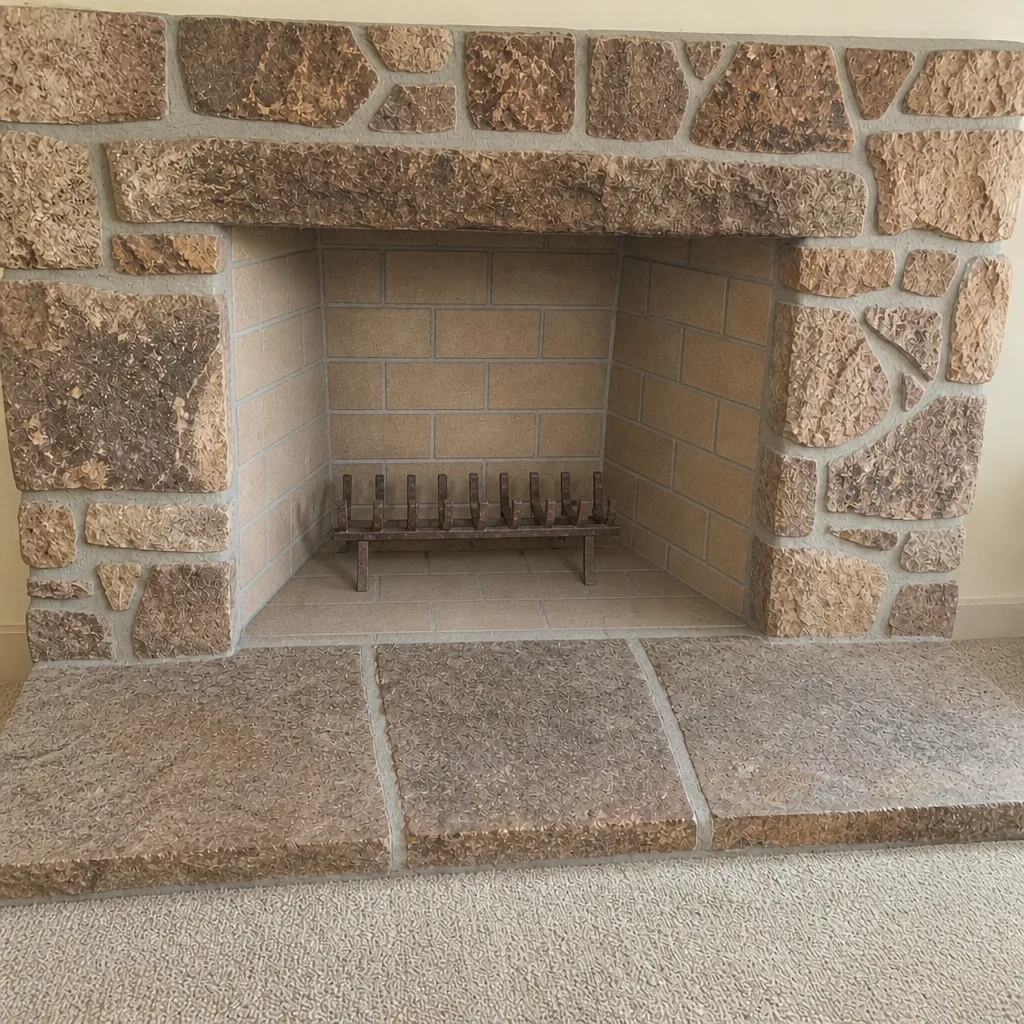
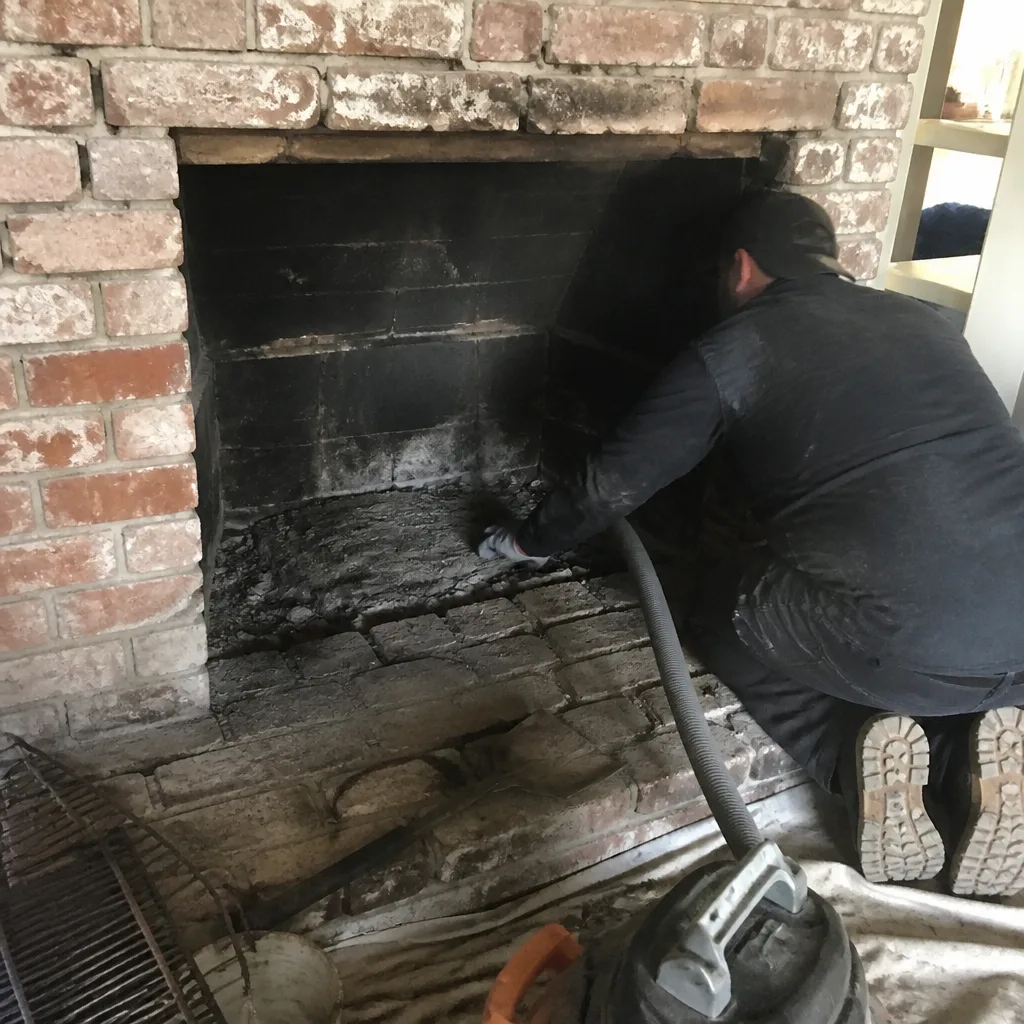
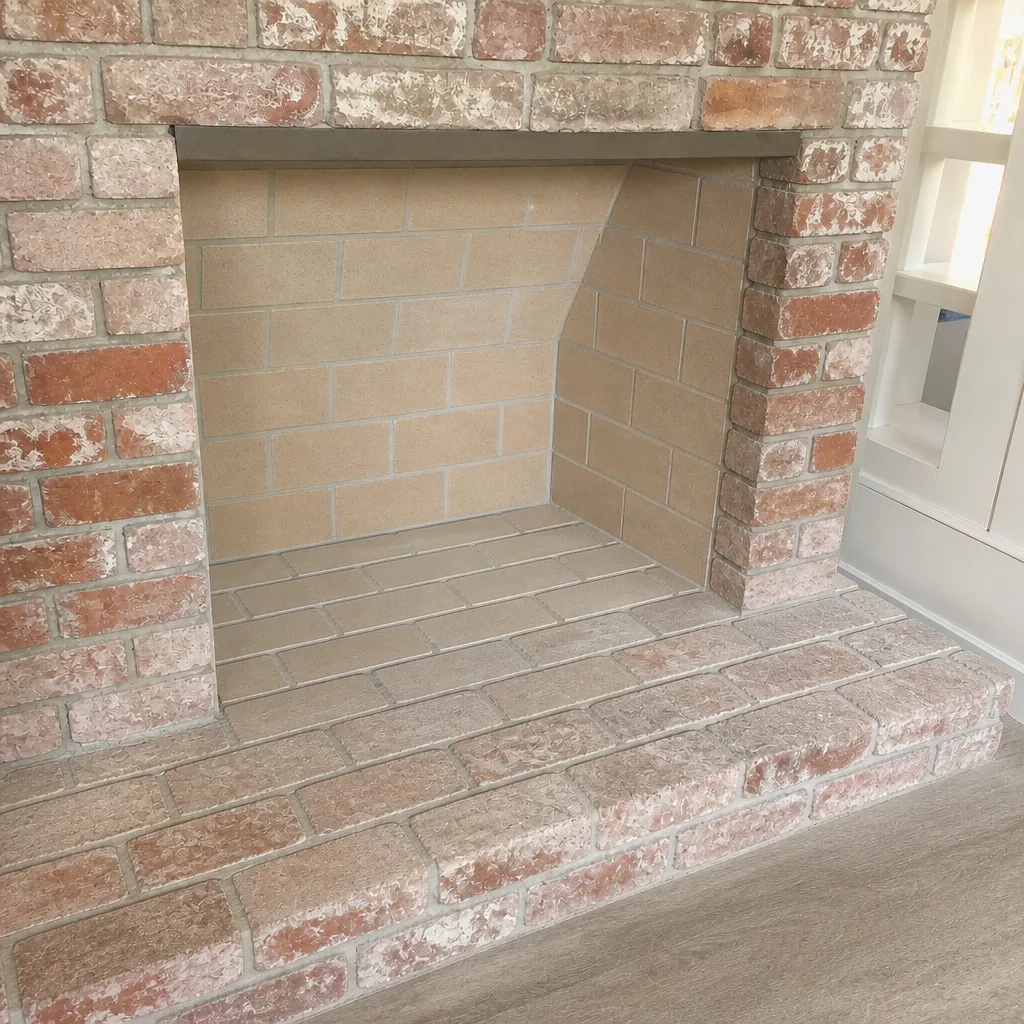
See the difference
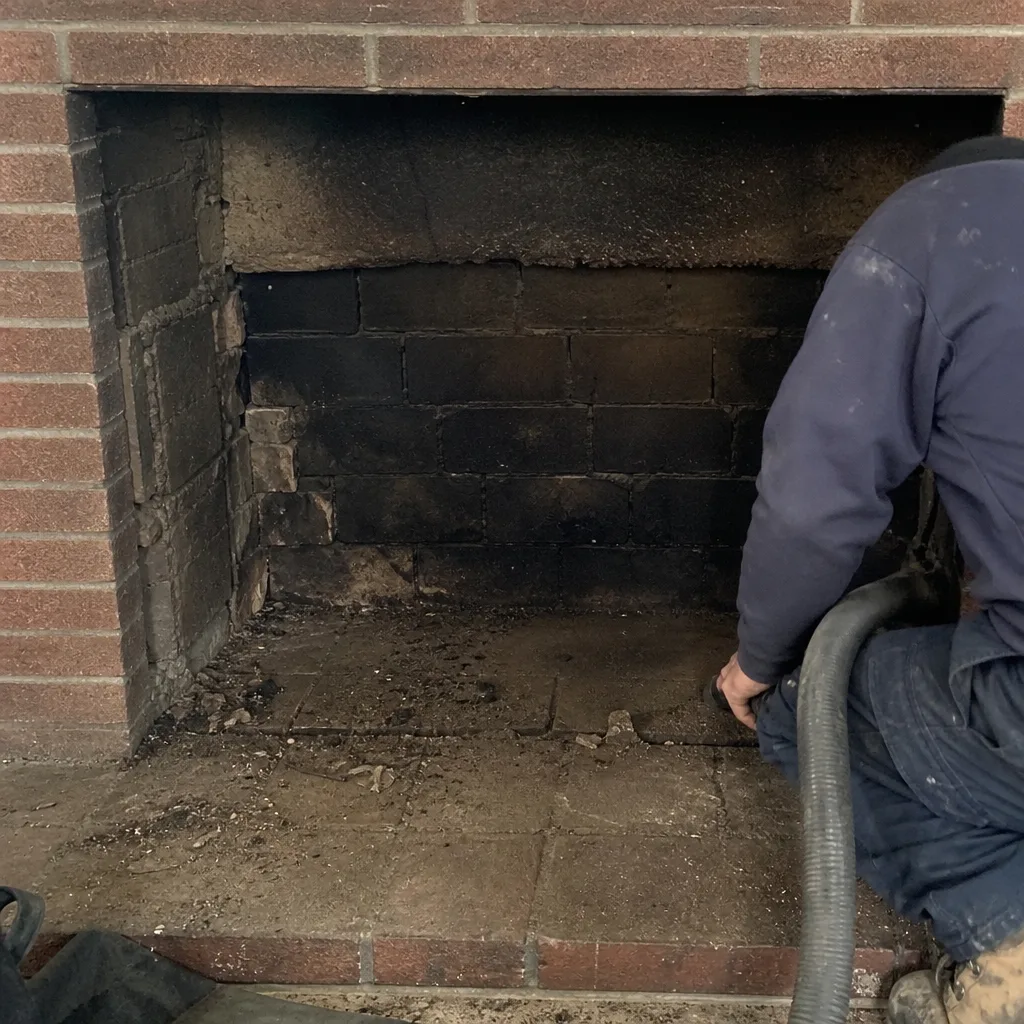 Before
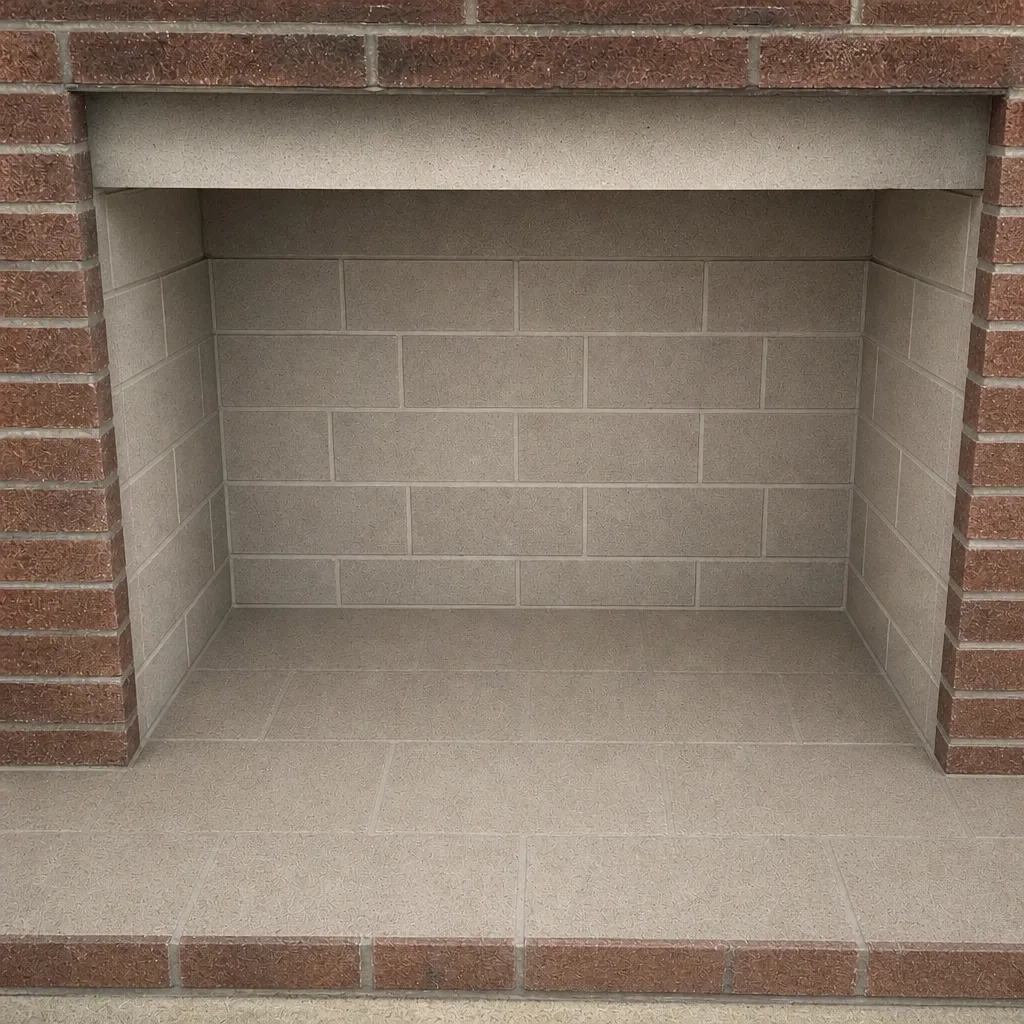 After
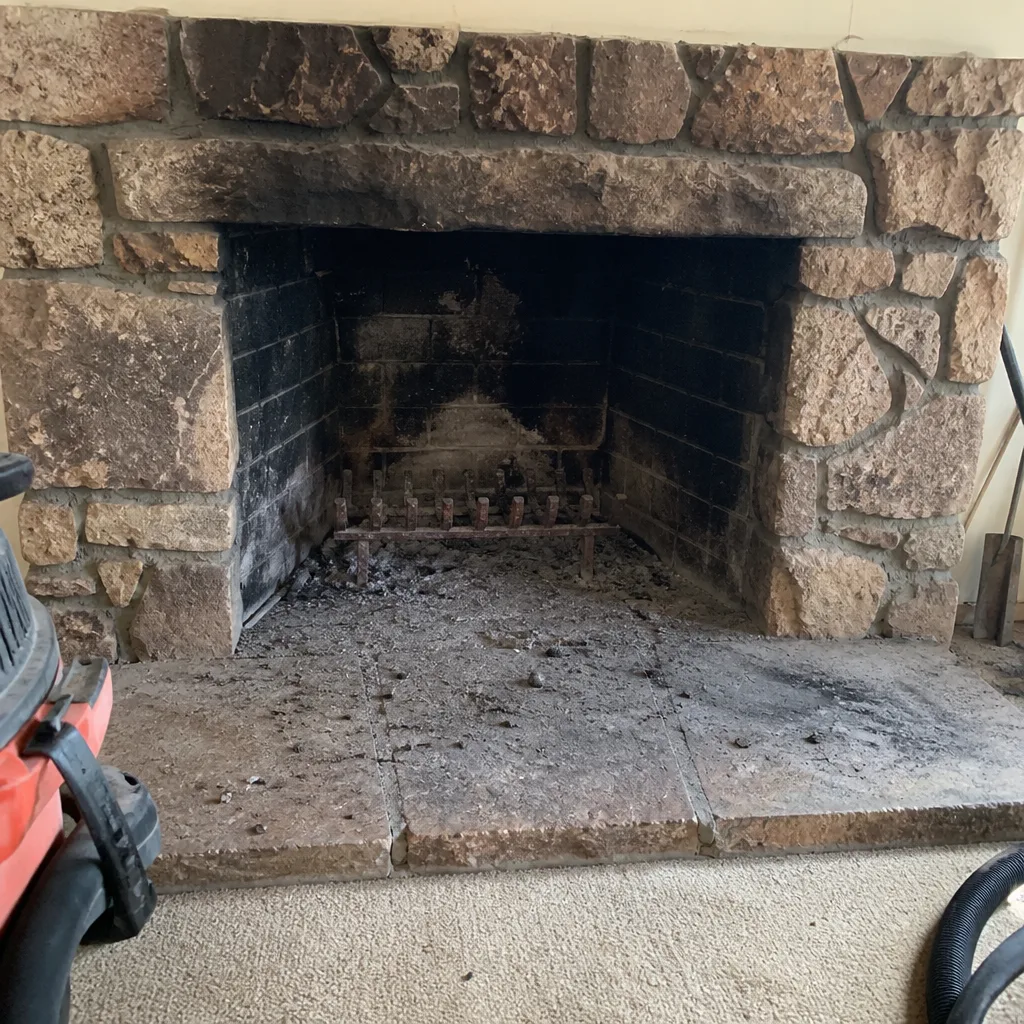 Before
 After
 Before
 After
Frequently Asked Questions
A chimney sweep in Westchester is priced per job by a written estimate, and the estimate is free, so the number depends on your flue’s condition, the level of inspection you need, and whether any repair is included. Ask for the estimate in writing before work begins. Call (866) 490-9807 for an exact quote; estimates are free.
Only if the camera inspection shows the existing liner is cracked, spalled, or corroded beyond what resurfacing can restore. Many chimneys can be resurfaced with HeatShield instead of fully relined, and a flexible system like DuraFlex is used when a full reline is genuinely needed. Nothing should be recommended without camera evidence you can see. Call (866) 490-9807 to book an inspection.
Sweep annually if you burn regularly; inspect annually even if you don’t, because the marine climate affects the flue whether or not the fireplace is used. Light use doesn’t exempt you from inspection. Call (866) 490-9807 to schedule your annual check.
Creosote builds up and, if it ignites, a chimney fire follows. A blocked flue from debris or nesting animals can force carbon monoxide back into the home. And in Westchester, water intrusion through a failed cap or crown degrades the mortar and liner slowly, then suddenly. None of these are worth the risk of waiting. Call (866) 490-9807 for an inspection and a plan.
Because the damage in this climate is mostly from moisture, not fire. Marine-layer humidity and condensation from gas appliances corrode the flue whether the fireplace runs or not, and a cap or crown failure lets water in regardless of use. An annual inspection catches it early. Call (866) 490-9807 to get yours looked at.
A Level 1 is a visual check with no camera; a Level 2 runs a video camera down the flue and includes photos. If you’ve never had a camera inspection, just bought the home, or had a chimney fire, you want a Level 2. Call (866) 490-9807 to book one; the written estimate covers the work.
The Bottom Line
Chimney cleaning in Westchester is not a once-a-year brush for a hard-working winter fireplace. It’s a system check: creosote removal, a camera inspection, and a hard look at the cap, crown, and liner that the marine climate slowly wears down. A full sweep shows you the evidence; a discount sweep leaves you guessing. The materials matter (HeatShield, DuraFlex, Gelco, Olympia Chimney are the professional tier, not the retail substitute), and the report should tell you what’s urgent and what can wait. Read it, ask for the footage, and don’t let anyone sell you work you can’t see the reason for.
If you’re due for a sweep or an inspection in Westchester, Westchester Chimney Sweep Pros handles the full scope under one roof: sweep, inspection, cap and crown, fireplace repair, and chimney repair. Learn more about chimney cap & crown work and the rest of the services. Our technicians have up to 15 years of experience, and the written estimate sets the price.
Call (866) 490-9807 for a free estimate. We answer 24/7, with fast dispatch from 7am to 7pm, Sunday through Friday.
Written by the team at Westchester Chimney Sweep Pros.