
Last updated November 22, 2026
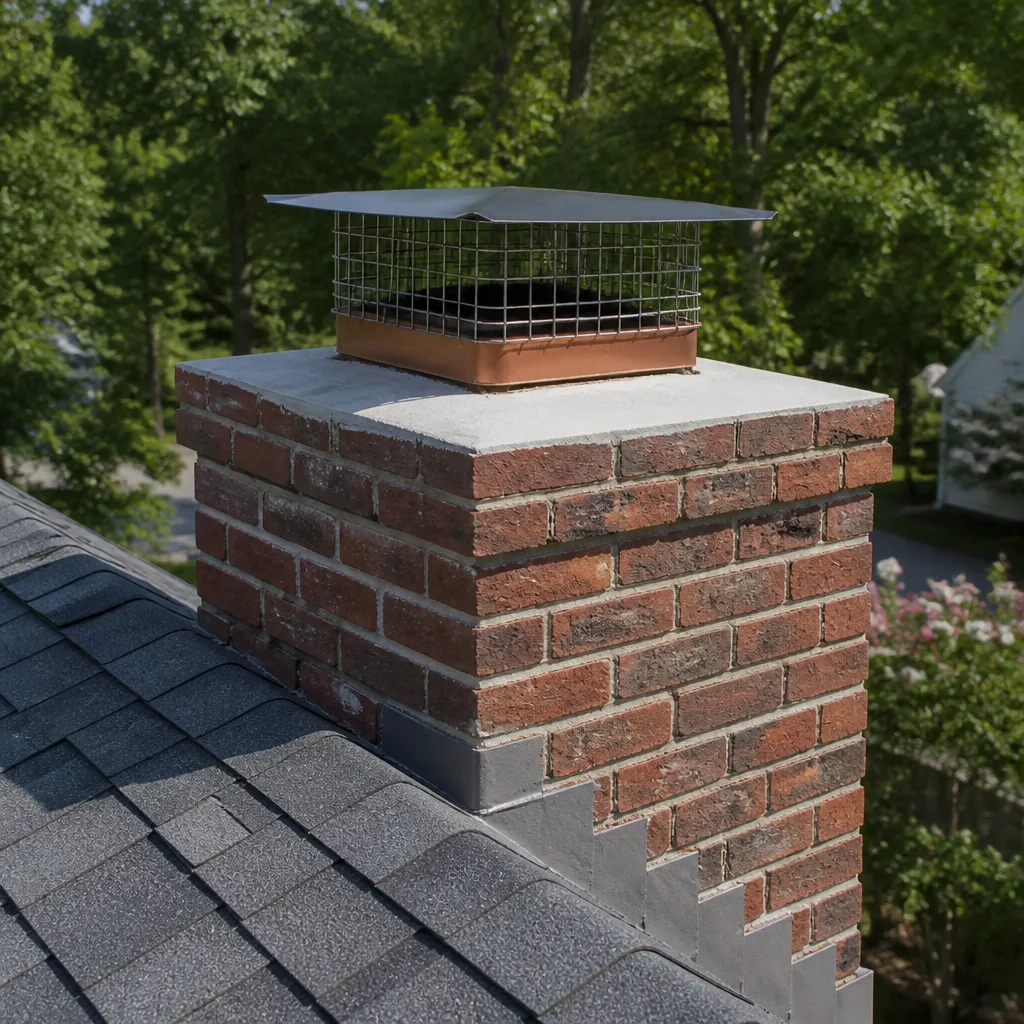 Sweep & inspection
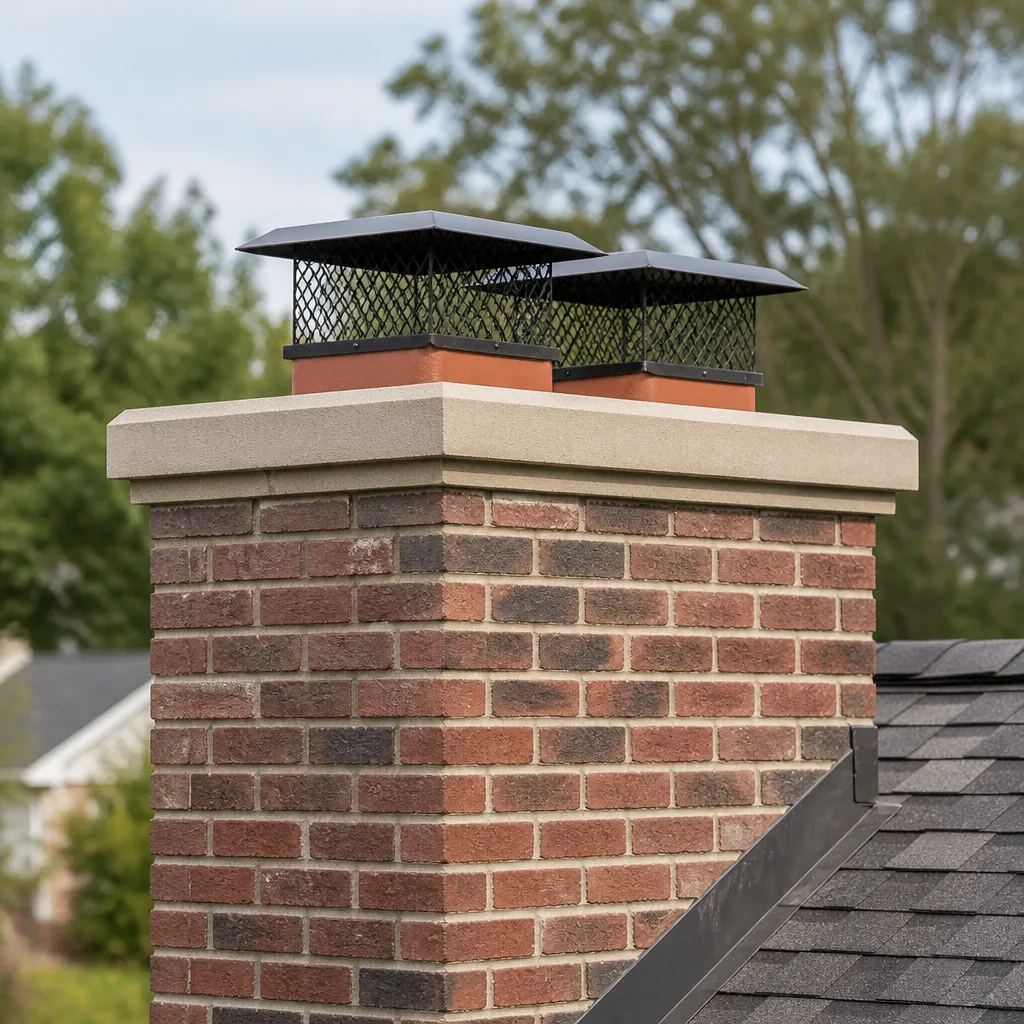 Caps & crowns
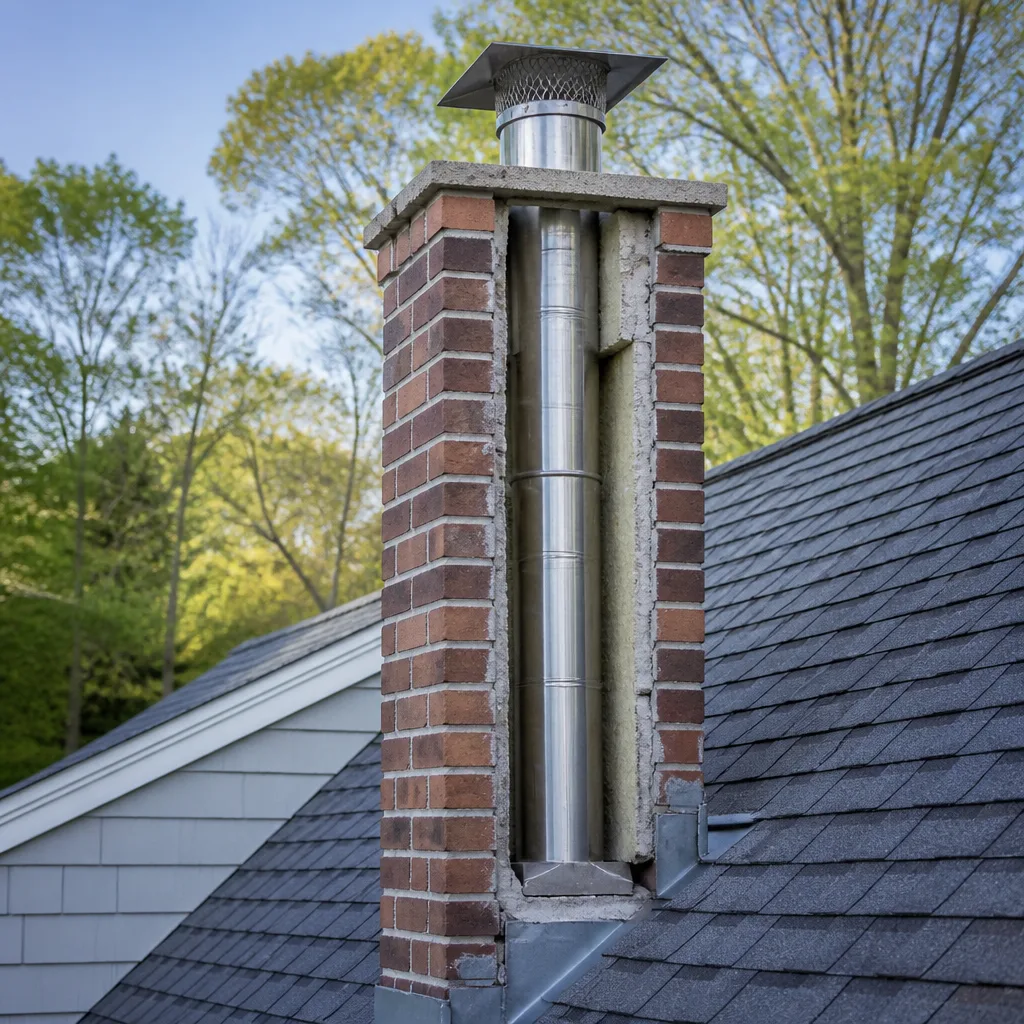 Flue relining
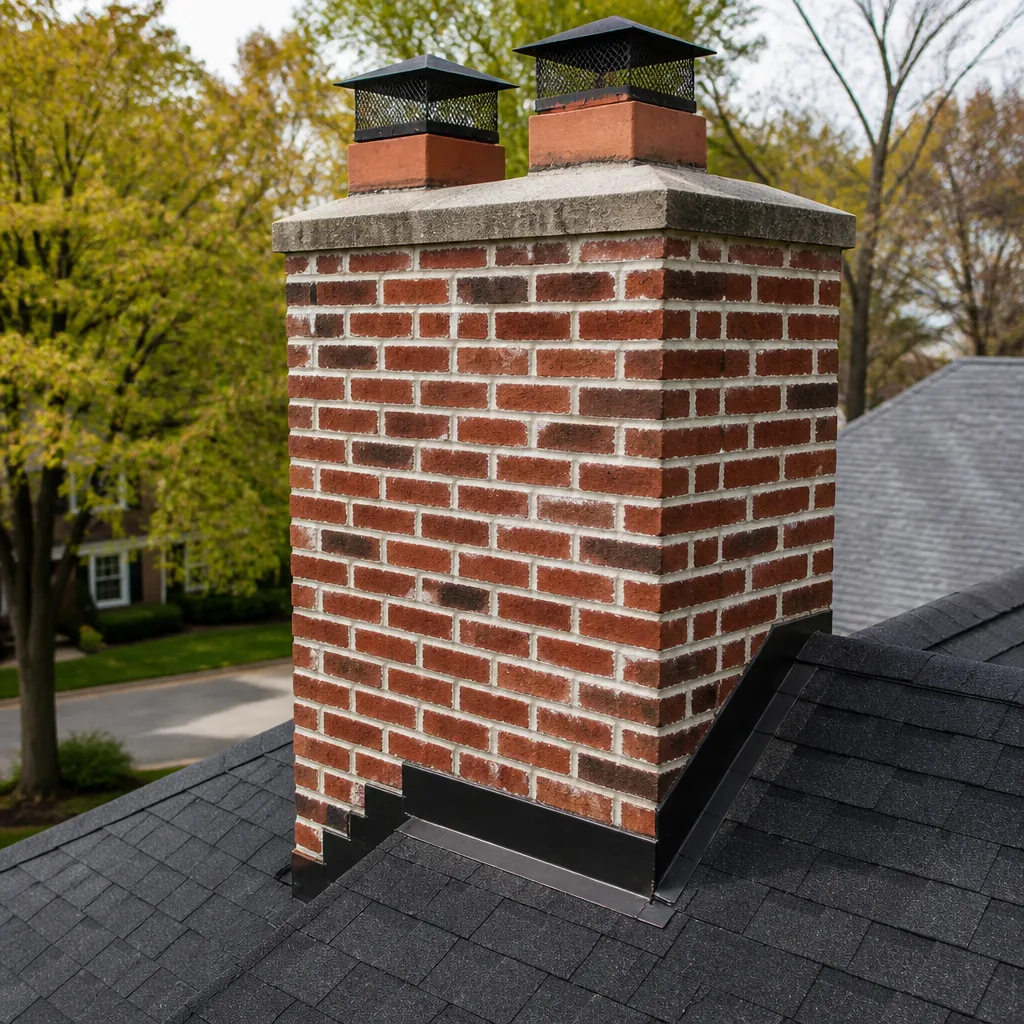 Masonry repair
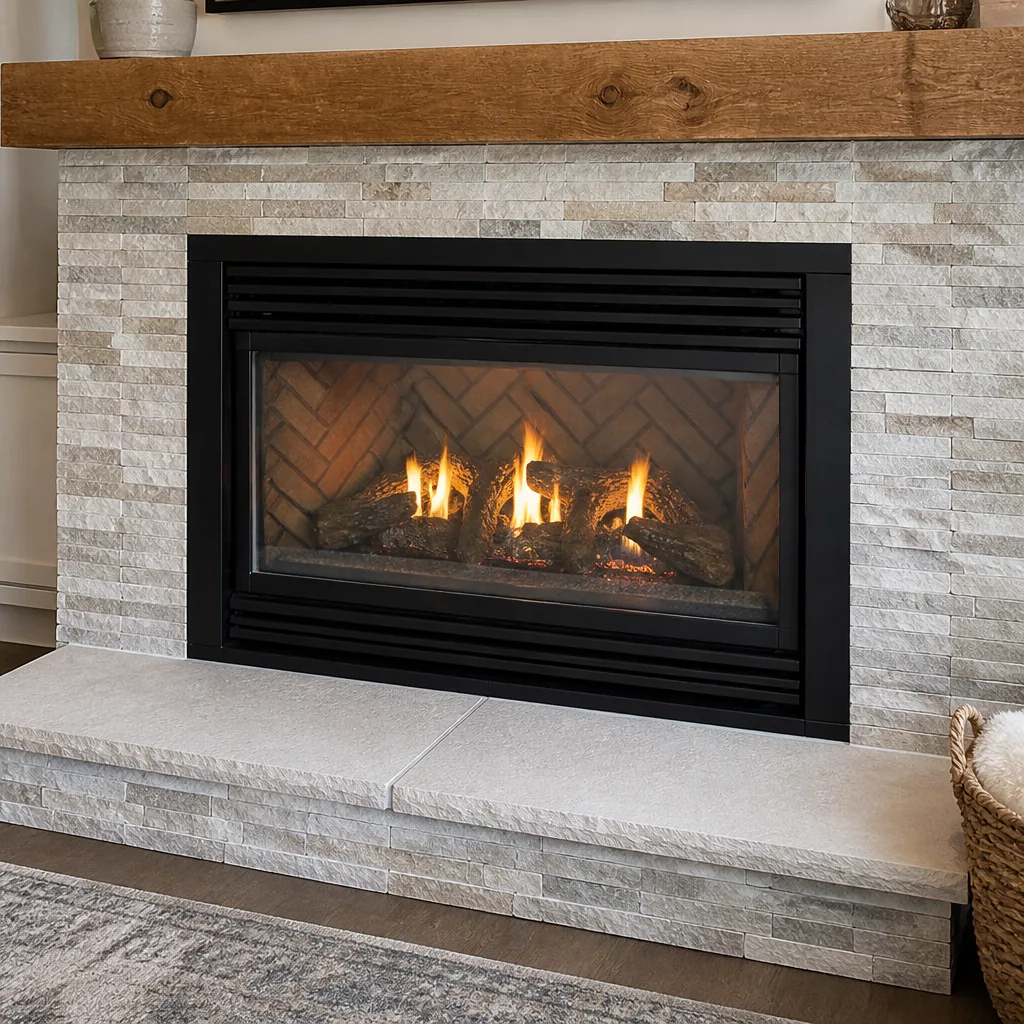 Gas fireplace service
Level 1 sweep and inspection to the NFPA 211 annual standard - flue, crown, cap, and flashing checked and photographed
Chimney sweep logs do not sweep chimneys. They loosen some creosote - which then falls where a brush and vacuum still have to collect it.
DIY vs Professional Chimney Cleaning: The Westchester Homeowner’s Decision Guide
You can buy a chimney brush online for the price of a nice dinner and do a passable job knocking loose soot off the flue walls. What you can’t do with that brush is tell the difference between a flue that looks clean and a flue that’s actually safe. That gap, between appearance and condition, is where chimney fires start. This guide is built around that distinction rather than the usual cost-savings argument. We’ll map exactly which parts of chimney maintenance a Westchester homeowner can handle, which parts require diagnostic equipment and training, and how to use a professional visit without turning it into a sales pitch. You’ll learn what creosote degrees actually mean, why Westchester’s housing stock changes the calculus, and where the liability really sits.
Quick Answer
DIY chimney cleaning can remove first-degree creosote and loose soot from an accessible flue, but it cannot verify liner integrity, identify glazed third-degree creosote, test for hidden cracks, or assess firebox deterioration. For a Westchester home with an active fireplace or wood-burning appliance, an annual professional chimney sweep plus inspection is the baseline, and DIY work belongs only in between those visits as light upkeep. The sweep is not the value; the diagnosis that comes with it is.
Styles & brands we work with
- Sweep & inspection
- Caps & crowns
- Flue relining
- Masonry repair
- Gas fireplace service
Table of Contents
- What a DIY chimney sweep can and cannot remove
- The three degrees of creosote and why the difference matters
- The diagnostic tasks that require professional equipment
- Why Westchester homes are hard on DIY chimney work
- How to use DIY maintenance between professional visits productively
- What happens to your insurance claim after a self-performed sweep
- A step-by-step guide to evaluating your own chimney condition
- Common mistakes to avoid
What a DIY Chimney Sweep Can and Cannot Remove
A homeowner with a properly sized brush and rods can remove loose soot and light deposits from the flue walls. That’s the honest answer, and it’s worth stating clearly because the rest of this guide only makes sense if you know the starting point. First-degree creosote is the thin, flaky, dusty residue that builds up on the inside of a flue after a few burning seasons. It looks like black tissue paper. A brush will take most of it off. This is also the layer that most chimney sweeps are removing during a routine sweep. So in a narrow sense, yes, you can duplicate a portion of that work.
What a brush cannot do is remove second-degree creosote, which is the denser, tar-like coating that clings to flue walls and doesn’t brush away cleanly. It cannot touch third-degree creosote, which is a glazed, hardened deposit that resembles black glass and requires specialized rotary equipment or chemical treatment to break down. And it cannot tell you which of those you’re looking at, because you’re standing at the bottom of a dark flue looking up.
The other thing a DIY sweep cannot remove is the diagnostic value of a professional visit. A chimney professional is not just cleaning the flue. They are inspecting the firebox, the damper, the smoke chamber, the flue tiles, the crown, the cap and the exterior masonry while they work. Removing soot is the visible product. The invisible product is the assessment. That assessment is what protects the home, and it’s the part you cannot replicate with a brush and a flashlight.
At Westchester Chimney Sweep Pros, this is the distinction we lead with. We’ll tell you what your chimney actually needs, and what it doesn’t. More often than you’d expect, the answer is “the sweep is enough and everything else looks fine.”
The Three Degrees of Creosote and Why the Difference Matters
Creosote is the residue left behind when wood smoke cools on the flue walls. It builds in layers, and the layers are not the same. Chimney professionals classify them into three degrees because each one behaves differently and each one carries a different risk.
- First-degree creosote: Thin, flaky, dusty. Brushes off easily. This is the most common state of a flue after a normal burning season, and it’s what a homeowner can realistically remove with the right brush.
- Second-degree creosote: Dense, tar-like, sometimes with a hardened crust. Brushes partially but doesn’t release fully. Needs professional rotary equipment or chemical treatment to remove completely.
- Third-degree creosote: Glazed, hardened, resembles black glass. This is the stage that ignites most readily and burns hot enough to crack flue tiles. It requires specialized removal and, in some cases, resurfacing of the flue itself.
The reason this matters more than the “how often should you sweep” conversation is that the layer you can see is not the layer that causes the fire. A flue with a light dusting of first-degree creosote is far safer than a flue that looks mostly clean from the bottom but has a hardened third-degree deposit in the upper section. That upper section is exactly where a homeowner cannot see, and exactly where fires start.
In our experience, the homes that scare us most are not the ones with heavy buildup at the bottom. They’re the ones where the visible portion of the flue looks reasonable but the top third of the flue has glazed deposits that nobody has checked. If you’ve ever heard a chimney “roar” briefly during a fire and then settle back down, that can be a small creosote ignition. It’s the warning shot.
The Diagnostic Tasks That Require Professional Equipment
A chimney sweep is a cleaning service with an inspection attached. A chimney inspection is a diagnostic service with a cleaning attached. They’re related but not interchangeable, and the diagnostic side is where DIY falls apart completely. Here’s what requires professional equipment and training to do properly:
- Camera inspection of the flue interior. A video camera lowered through the flue shows the actual condition of the tile or liner, including offset joints, cracked tiles, gaps at seams, and areas of deterioration that a flashlight from below cannot reveal.
- Smoke testing. A smoke test reveals leaks in the flue, often at joints or at the smoke chamber, that would not be visible any other way. It’s how a professional determines whether combustion gases are escaping into the home.
- Liner integrity assessment. This is the question that determines whether your chimney is safe to use at all. A liner that has failed is a carbon monoxide path into the living space. A visual inspection from the firebox does not tell you whether the liner is intact above the first offset.
- Firebox and smoke chamber evaluation. The smoke chamber, which is the sloped chamber above the damper, is one of the most commonly neglected areas in a residential chimney. Deterioration there is nearly invisible without direct inspection.
- Crown and cap condition. The chimney cap & crown are the rooftop components most exposed to weather and the most common source of water intrusion. Assessing them requires getting onto the roof safely and knowing what you’re looking at.
Each of these tasks can be performed competently by a professional with the right equipment. Each is difficult or impossible to perform from a ladder with a flashlight. If you make the “should I DIY my chimney sweep” decision without factoring in that diagnostic gap, you are essentially evaluating a diagnostic service on the price of the cleaning.
Why Westchester Homes Are Hard on DIY Chimney Work
Not every chimney is equally DIY-friendly. A single-story ranch with a gentle roof pitch and a short flue is one thing. Many Westchester homes are another, and the differences are worth walking through because they’re the reason so many local homeowners end up calling a professional after a single attempt.
Roof pitch. Westchester has a lot of older homes with steeper roof pitches and more complex rooflines. Getting onto a steep roof to sweep from the top down is genuinely dangerous, and this is the most common reason DIY chimney work gets abandoned in the middle. A brush-run from the top is the standard professional method because it gives the best scrub angle. If you cannot safely get to the top, you’re working from below, which is less effective.
Age of masonry. Older masonry is more likely to have hairline cracks, mortar deterioration, or settling that changes the geometry of the flue. A brush run through an older chimney can catch on a rough joint and damage an already fragile tile. It can also dislodge a piece of mortar that then drops into a section of the flue you can’t see. This is not a theoretical concern: it’s a common outcome when a stiff brush is run aggressively through an aged ceramic flue.
Chimney height and flue configuration. Westchester homes often have tall flues or offset flues (flues that bend around an obstacle before resuming upward). An offset flue is very hard to sweep from below because the brush tends to bind at the offset. A professional uses rods and flexible brush heads designed for these configurations.
We’re not telling you this to discourage you from understanding your own chimney. We’re telling you because the DIY chimney cleaning conversation usually pretends every chimney is the same, and the honest answer is that the calculus is different for a period home in Westchester than it is for a newer build. If you want to understand what your specific chimney needs, a Westchester Chimney Sweep Pros inspection will give you a straight answer with photo evidence, not a sales pitch.
How to Use DIY Maintenance Between Professional Visits Productively
This is where DIY work actually earns its place. Between annual professional sweeps and inspections, you can do several things that genuinely reduce risk and don’t create false confidence. The key is knowing that these tasks are maintenance, not diagnosis.
- Get a chimney cap if you don’t have one. A cap keeps rain, birds, squirrels and debris out of the flue. Water intrusion is the leading cause of chimney damage, and a cap is the single most effective barrier. Installing one is not a DIY job (it involves the roof and the correct fitment), but knowing whether you have one is.
- Check the firebox for visible damage. Looking into the firebox with a flashlight and noting cracks in the firebrick or gaps in the mortar is a reasonable monthly check. Note that “I don’t see cracks” doesn’t mean the firebox is sound, only that nothing is visible from this angle.
- Watch the smoke behavior. If your fireplace smokes into the room, drafts poorly, or has changed how it burns since last season, that’s information worth writing down. Changes in behavior are a signal, not a diagnosis.
- Keep the flue damper working properly. A damper that sticks open or won’t close fully lets heat out and lets cold air in. It’s worth noting. It’s not worth forcing.
- Monitor burning practices. Burning well-seasoned wood (low moisture) and avoiding slow, smoldering fires reduces creosote buildup dramatically. This is the single biggest variable a homeowner controls in how fast the flue fouls.
- Note anything unusual. A smell of smoke in the house when the fireplace is not burning, a draft down the flue on windy days, or a sudden change in how the fire draws are all worth noting for the next professional visit.
What to avoid: running a brush through an offset flue without knowing its configuration, sweeping from the roof without proper fall protection, using chemical sweep products without understanding which creosote degree they address, and assuming that “the flue looks clean from below” means the upper section is safe. Each of those is the kind of thing that creates false confidence.
What Happens to Your Insurance Claim After a Self-Performed Sweep
This is the question almost nobody asks upfront, and it matters. Homeowner’s insurance policies generally cover fire damage, but they also include maintenance exclusions and condition requirements. After a chimney fire, an adjuster will typically look at documentation of chimney maintenance and inspection. They are not usually interested in your receipts for brushes and rods, but they are usually interested in whether a professional inspection and sweep have been performed and documented.
Here’s the part that’s easy to miss: the risk is not primarily that a claim gets denied. The risk is that a claim gets complicated, delayed, or partially reduced because documentation of maintenance is missing. Insurers assess whether a loss was preventable through reasonable maintenance. A self-performed sweep creates no professional record. There’s no report, no photo documentation, no signed inspection. In a claim dispute, that absence can matter.
The other risk is coverage for the specific cause. Some policies exclude damage that results from lack of maintenance, or require that the chimney be inspected regularly as a condition of coverage for chimney-related losses. The specific language varies by policy, so we can’t tell you what yours says. We can tell you that the professional inspection record is the document that most reliably answers those questions after a loss.
In our experience, the homeowners who sleep best after a chimney fire are the ones with a documented inspection history. It’s not about blame. It’s about the paper trail that makes a claim straightforward instead of contested. For most Westchester homeowners with an active appliance, that means an annual professional visit, and the documentation that comes with it.
A Step-by-Step Guide to Evaluating Your Own Chimney Condition
Before you decide whether to call or to DIY, do a condition assessment of your own. This is not a replacement for a professional inspection. It’s a starting point that tells you how urgently to pick up the phone.
- Look up the flue from the firebox. With a bright flashlight, look as far up the flue as you can see. Note the color of the deposits. Flaky and gray: first-degree. Dense and tar-like: second-degree. Hardened and glassy: third-degree. If you see glazing, call a professional before lighting another fire.
- Inspect the firebox. Look for cracks in the firebrick and gaps in the mortar joints. Hairline cracks may be normal wear. Large cracks or missing mortar are not. Note what you see.
- Check the damper. Open and close it. It should move smoothly and seal reasonably. If it sticks, doesn’t fully open, or won’t close, note it for the professional.
- Look at the crown and cap from the ground with binoculars. Is the cap present? Is the crown cracked or missing chunks? Is there visible staining on the exterior masonry? You don’t need to climb up. You just need to know if something looks wrong so you can describe it.
- Run the fireplace and watch the smoke. Does smoke rise cleanly up the flue? Does any come into the room? Does the fire burn evenly or is there a persistent draft problem? Note the behavior.
- Note the last professional inspection date. If it’s been more than a year, or if you don’t have a record, that alone is the answer to whether to call.
None of these steps require getting onto the roof, running a brush, or opening a panel. They’re checks, not repairs. If everything looks and behaves normal, you’ve confirmed the baseline. If anything is off, you have something concrete to describe when you call.
If you have a fireplace that hasn’t worked right since you moved in, or you’ve been putting off a fireplace repair because you weren’t sure what the problem was, this assessment is often the first step to a real answer. Most fireplace problems are diagnosable once someone is actually looking at the system.
Common Mistakes to Avoid
- Assuming a clean-looking flue is a safe flue. First-degree creosote looks almost tidy. Third-degree creosote in the upper flue is invisible from the firebox. Appearance from below tells you almost nothing. The only way to know the state of the liner is to inspect it.
- Using a brush that’s the wrong size for the flue. An oversized brush binds and can crack tile. An undersized brush leaves deposits behind. Flue dimensions vary, and guessing leads to damage in the first case and false confidence in the second.
- Sweeping from the roof without proper fall protection. Westchester’s older homes often have steep pitches and complex rooflines. A brush and a ladder and a promise to be careful are not a fall-protection plan. Falls from roofs are the leading cause of serious injury in chimney work.
- Burning green or unseasoned wood because it’s cheap. Wet wood burns cool and smolders, and cool smoke deposits far more creosote than hot smoke. You’re saving on firewood and paying for it in flue buildup. The trade is not in your favor.
- Skipping the inspection because the sweep looked fine. The sweep and the inspection are separate services. They’re often bundled because they’re performed together, but the diagnostic value is in the inspection, not the scrubbing. A sweep without an inspection is a cleaning without a checkup.
- Assuming a chemical sweep product replaces a professional visit. Chemical products can be useful for the specific creosote degree they target, but they don’t inspect, they don’t assess, and they don’t tell you whether your liner is intact. They supplement a professional visit, they don’t replace it.
- Not documenting anything. Whether you hire a professional or do the light maintenance yourself, keep a record of what was done and when. The paper trail matters more than the task, especially in a claim.
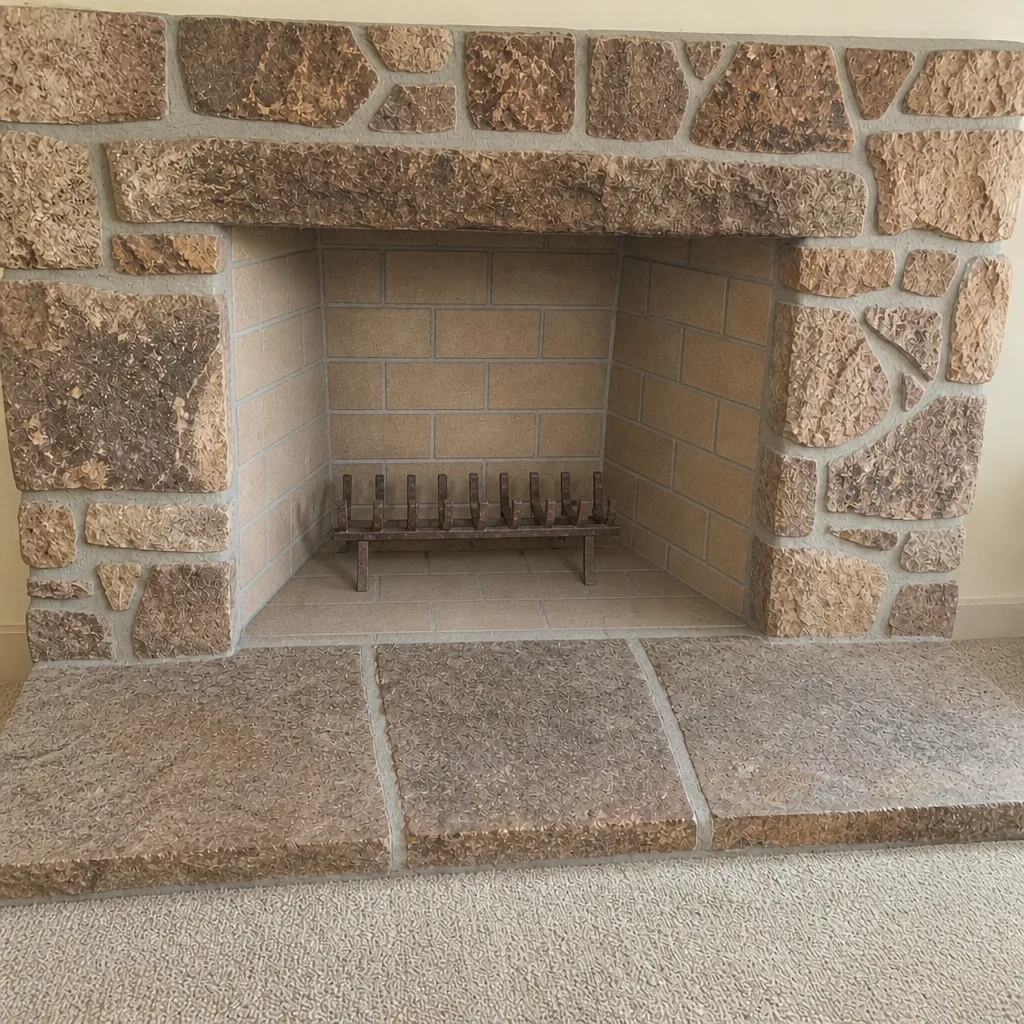
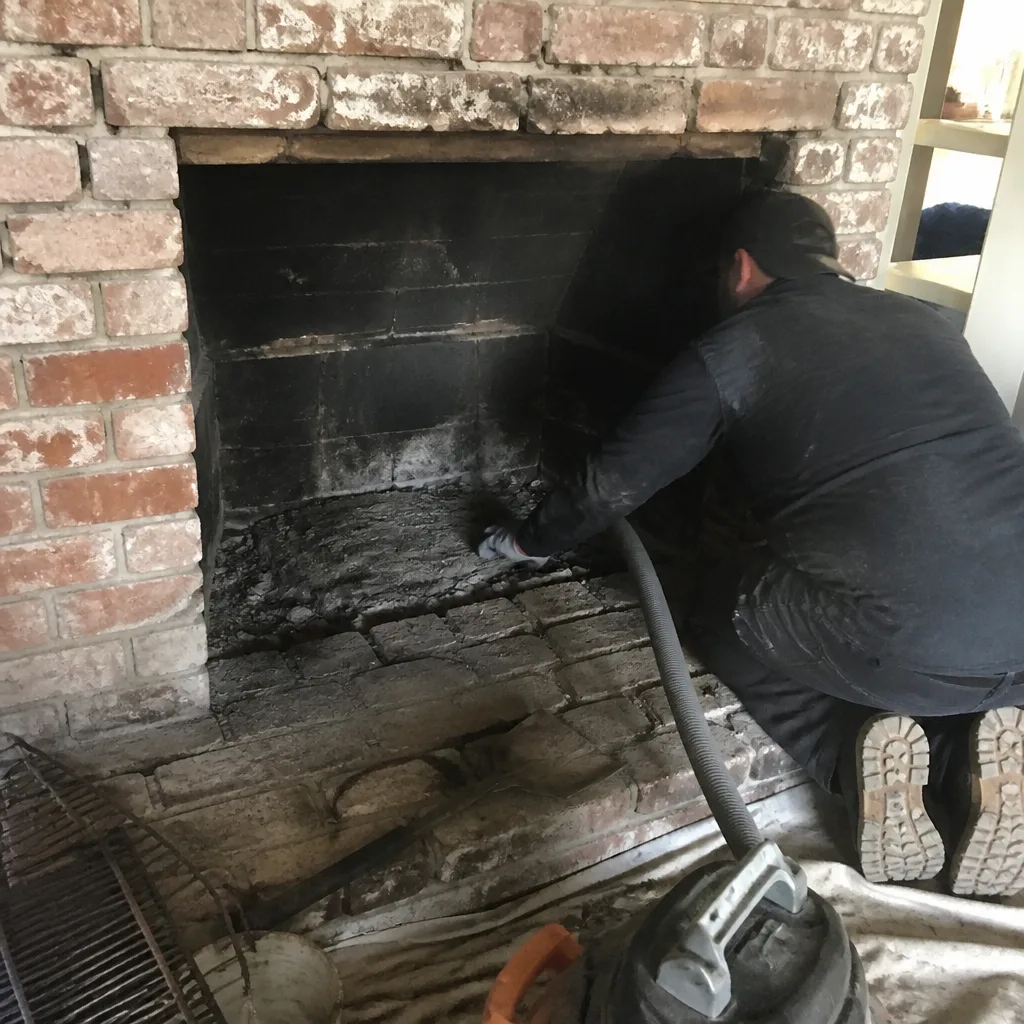
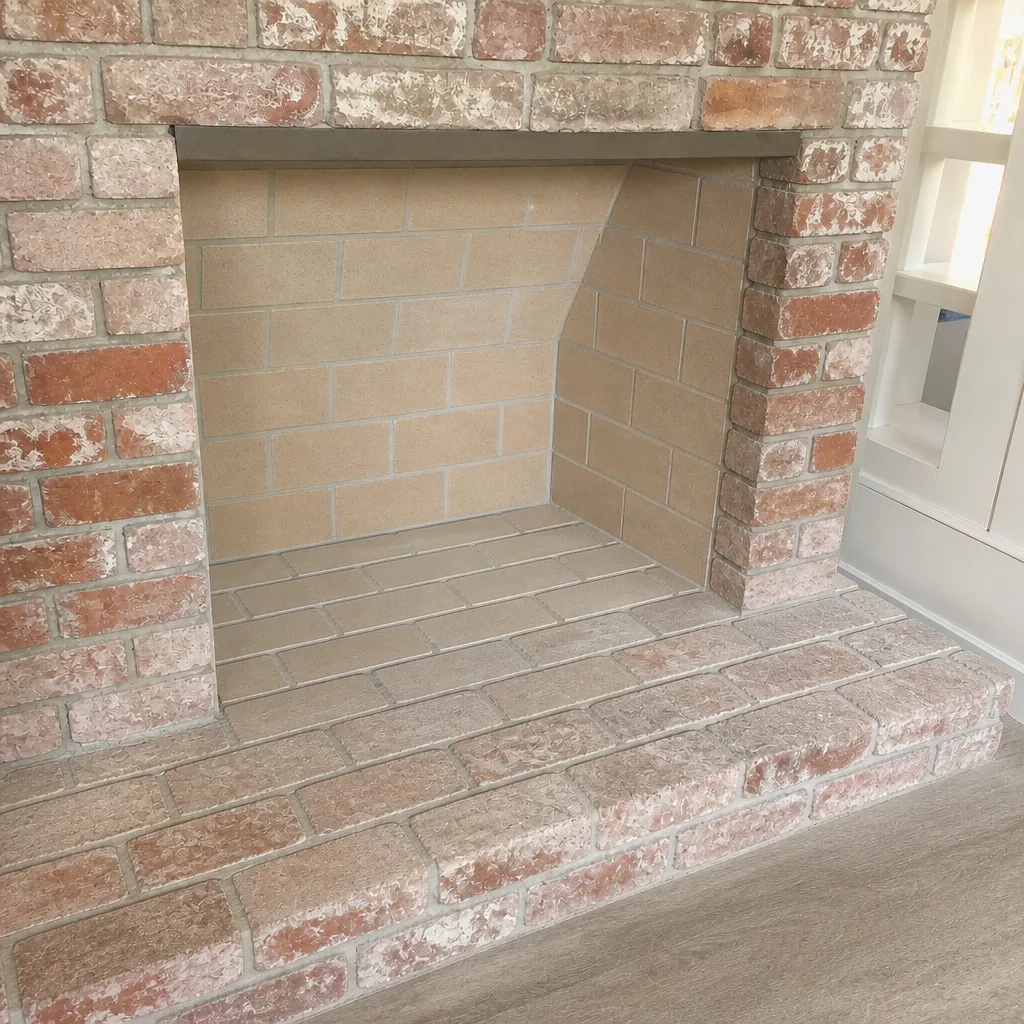
See the difference
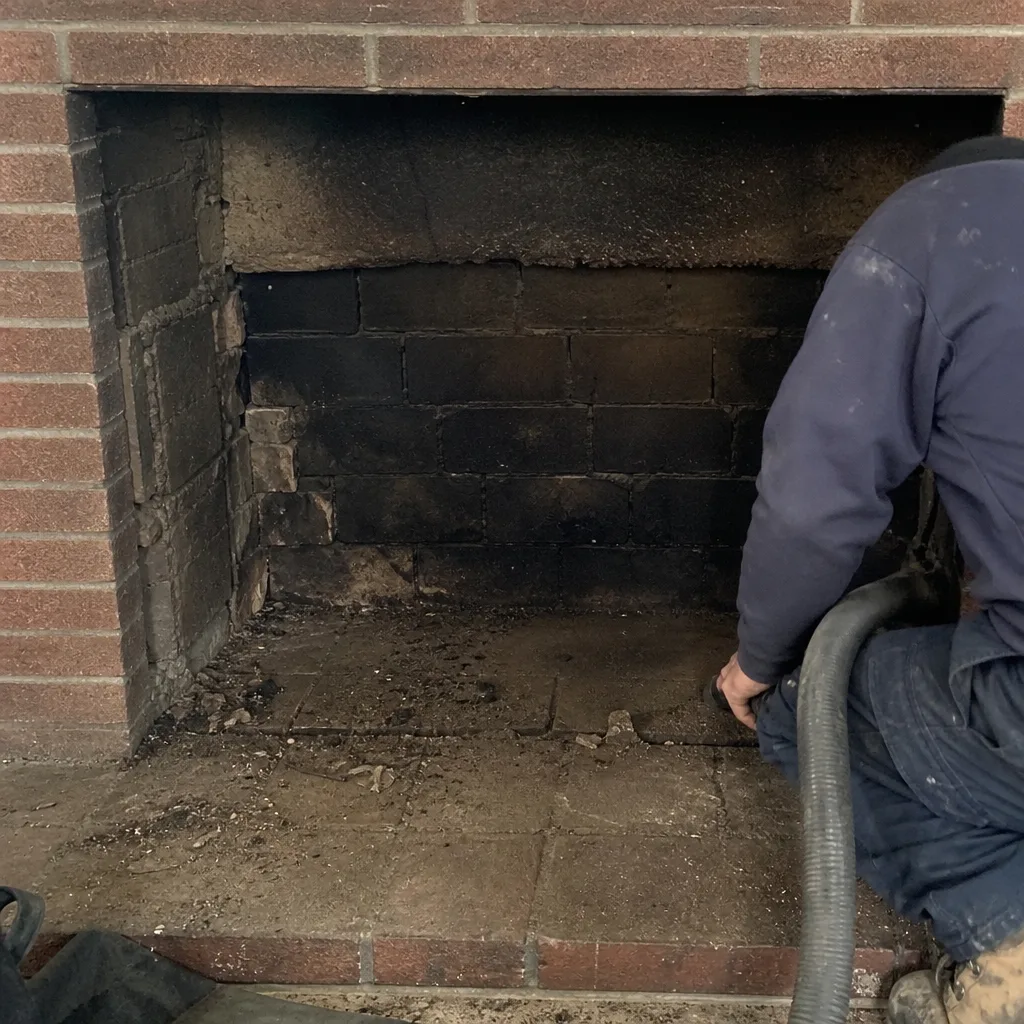 Before
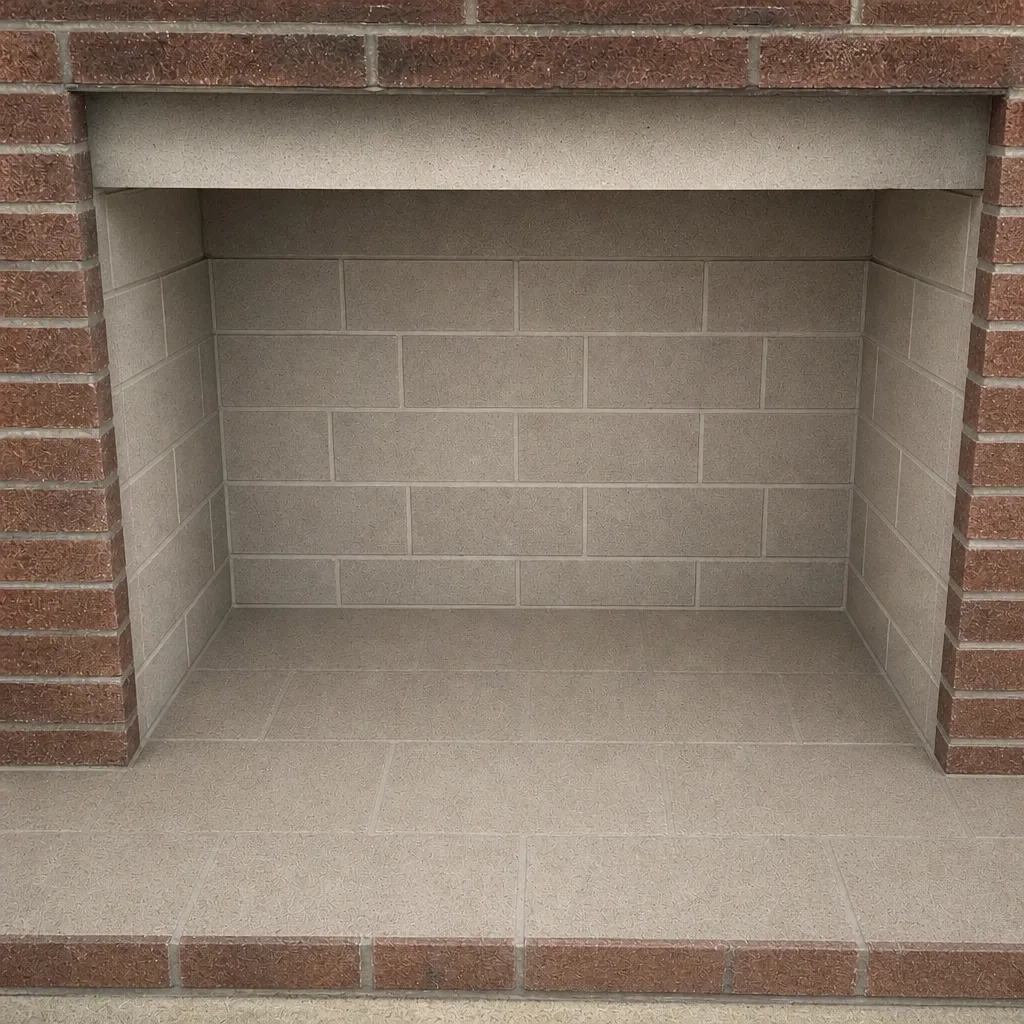 After
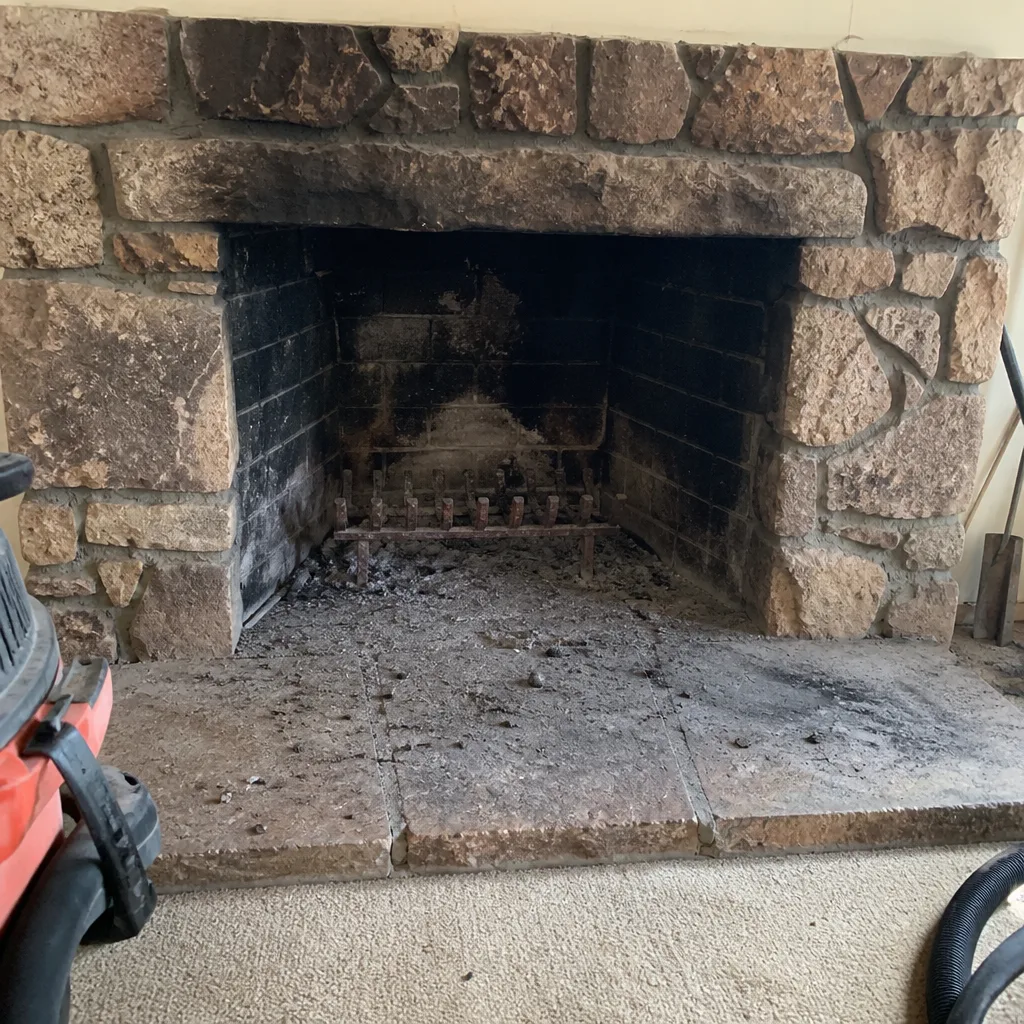 Before
 After
 Before
 After
When to Call a Professional
Call a professional if any of these are true. You see glazed or glassy deposits in the flue. Your fireplace smokes into the room, drafts poorly, or has changed its behavior since last season. You have no record of a professional inspection in the past year. You’ve smelled smoke in the house when the fireplace was not running. You notice visible cracks in the firebox or staining on the exterior masonry. You’re a new homeowner who has never had the system inspected. Your home is old or has an offset flue configuration. Or you’ve already tried a DIY sweep and found the brush binding, hit something, or dislodged material you couldn’t see.
Any of those is a reasonable point to stop and call. Westchester Chimney Sweep Pros offers free estimates in Westchester, we’ll tell you what your chimney actually needs and what it doesn’t, and you’ll get a camera inspection and a photo report so you can see the evidence yourself. Call (866) 490-9807. We answer 24/7. Fast dispatch from 7am to 7pm, Sunday through Friday.
Frequently Asked Questions
Yes, you can remove first-degree creosote and loose soot from an accessible flue with the right brush, but you cannot remove second- or third-degree creosote, inspect the liner, or assess firebox condition without professional equipment and training. Treat any DIY sweep as light maintenance only, and keep an annual professional visit as the baseline for a Westchester home with an active fireplace. Call (866) 490-9807 for an exact quote. Estimates are free.
A chimney sweep is a cleaning service that removes soot and creosote from the flue. A chimney inspection is a diagnostic service that evaluates the flue liner, firebox, smoke chamber, crown, cap and exterior masonry, often with a camera and smoke testing. The sweep and the inspection are often performed together, and on a system that’s being maintained properly, they belong together. If you’re choosing one, choose the inspection.
Most chimney professionals recommend an annual sweep and inspection for homes with an active fireplace or wood-burning appliance. Homes that burn frequently, burn unseasoned wood, or have older masonry may benefit from more frequent sweeps. Your burning volume is the main variable. Call (866) 490-9807 and we’ll give you a straight answer for your specific system.
A chimney sweep in the Westchester area typically runs somewhere in the low-to-mid hundreds of dollars depending on the configuration, the creosote level and whether an inspection is bundled in. The exact number is set by the written estimate, and the estimate is free. Call (866) 490-9807 for an exact quote before you book.
Usually not, and we tell homeowners that more often than the reverse. A new liner is recommended only when the existing flue liner has failed or is unsafe to use, and that determination should be based on camera evidence you can see. A deteriorated flue can sometimes be resurfaced instead of fully relined, using HeatShield or comparable professional-grade material. Nothing is recommended without camera evidence, and we’re clear about when work can safely wait.
It might, but a self-performed sweep creates no professional documentation, and that absence can complicate a claim. Insurers commonly review maintenance records and inspection documentation when assessing a chimney-related loss. An annual professional inspection provides a report that most reliably answers those questions. We can’t tell you what your specific policy says, but the documentation is what makes a claim straightforward instead of contested.
Creosote accumulates, and over time the risk of a chimney fire increases, particularly if the flue develops third-degree glazing. A failed liner also becomes a carbon monoxide path into the living space, and water intrusion can damage masonry from the crown down. None of that happens instantly. It accumulates. Skipping a season is low risk; skipping several is not. Call (866) 490-9807 for a free estimate and a clear picture of where your chimney stands.
The Bottom Line
DIY chimney cleaning is reasonable as light maintenance and unreasonable as a substitute for inspection. A brush removes soot. It does not tell you whether your flue is safe. For a Westchester home with an active fireplace or fuel-burning appliance, the annual professional sweep and inspection is not the expense you try to eliminate; it’s the diagnostic that keeps the system honest. If you want to do more yourself, do the between-visit checks in this guide and skip the roof work. If you want to know exactly where your chimney stands, call Westchester Chimney Sweep Pros at (866) 490-9807. We answer 24/7. Fast dispatch from 7am to 7pm, Sunday through Friday. Free estimates, camera inspection, photo report, and a straight answer about what your chimney actually needs.
Written by the team at Westchester Chimney Sweep Pros.