
Last updated November 22, 2026
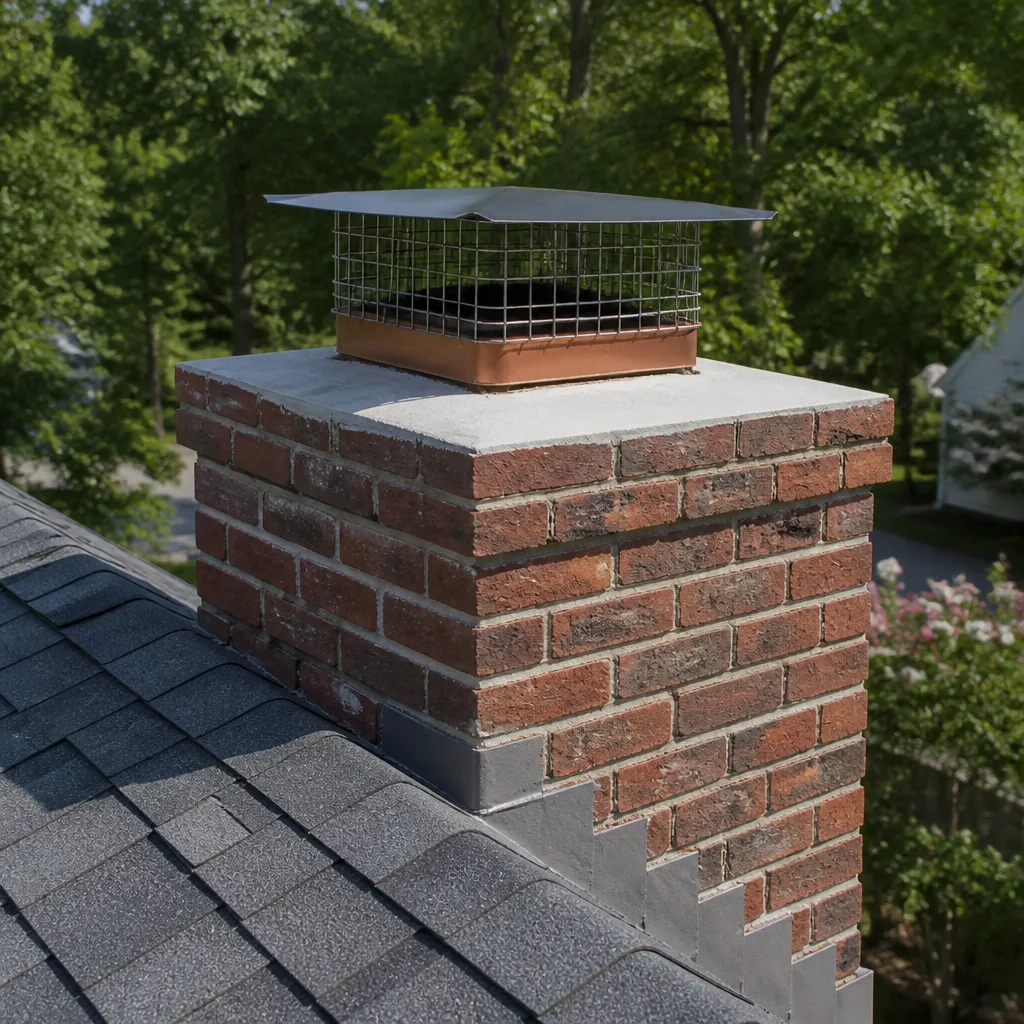 Sweep & inspection
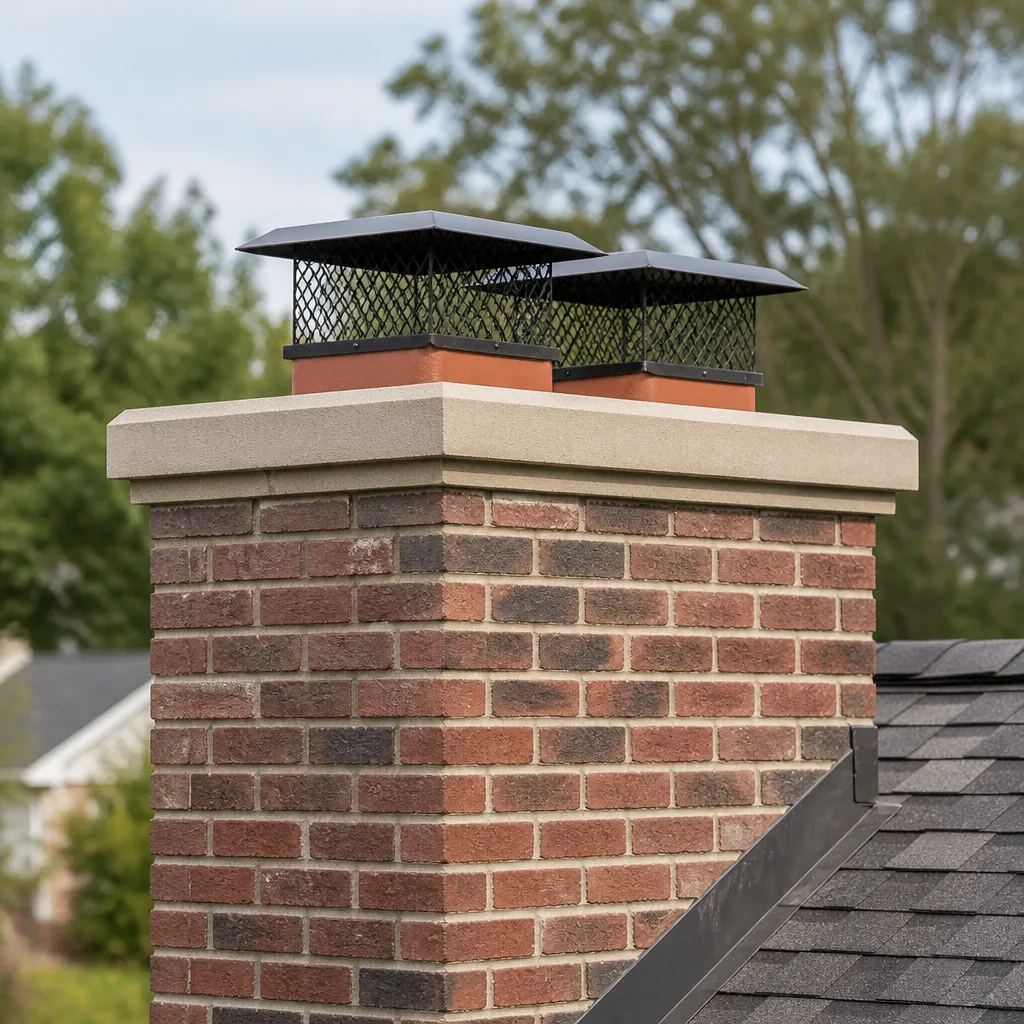 Caps & crowns
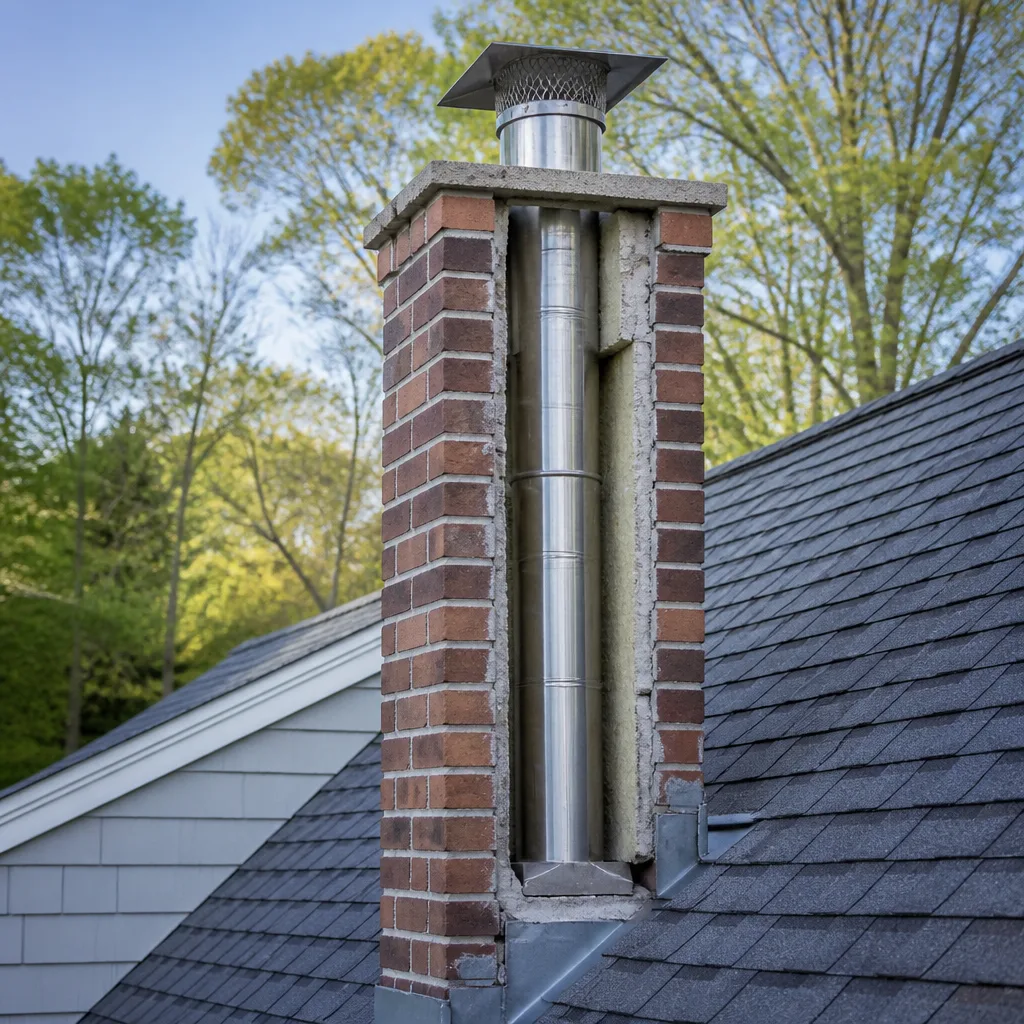 Flue relining
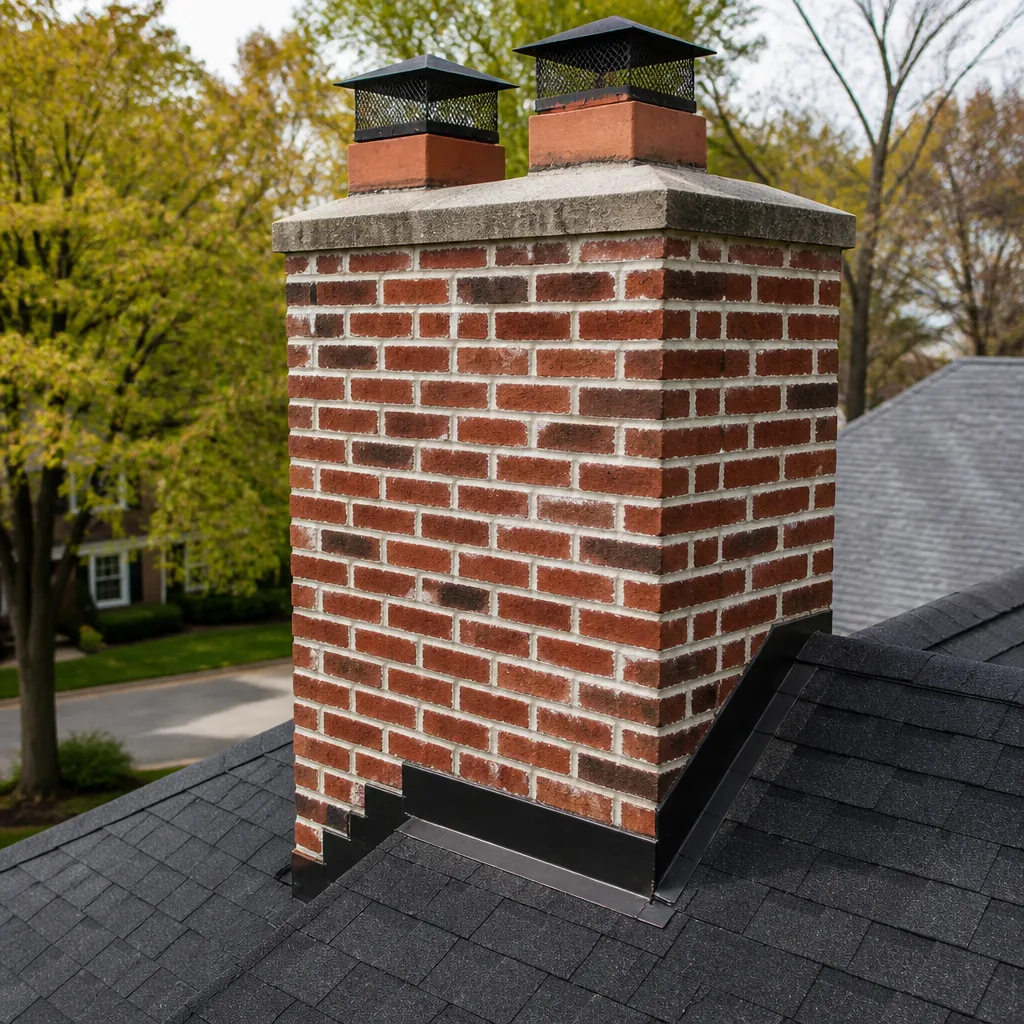 Masonry repair
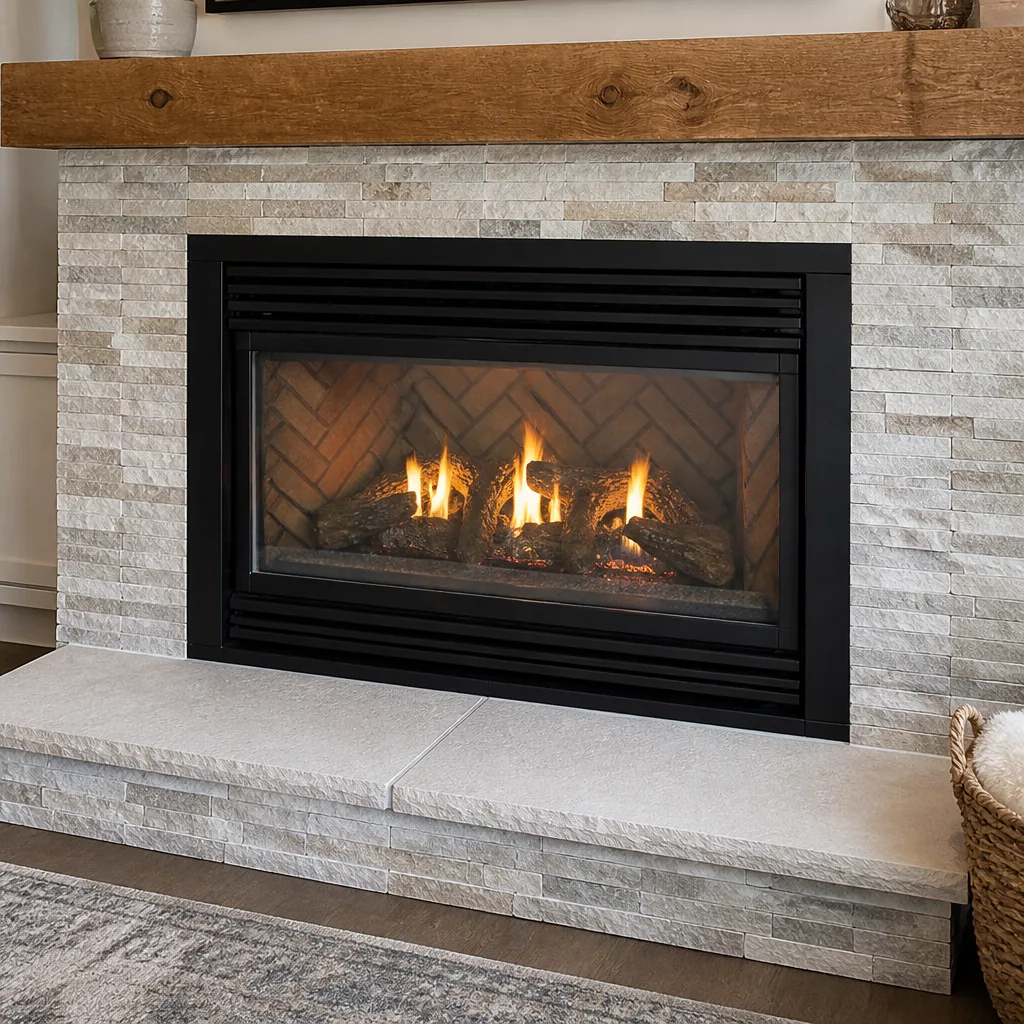 Gas fireplace service
Level 1 sweep and inspection to the NFPA 211 annual standard - flue, crown, cap, and flashing checked and photographed
Chimney sweep logs do not sweep chimneys. They loosen some creosote - which then falls where a brush and vacuum still have to collect it.
Chimney Sweep Troubleshooting in Westchester: Common Problems and How to Fix Them
A smoky living room isn’t a chimney problem. It’s a symptom. That distinction matters more than it sounds, because the same curl of smoke rolling out of a fireplace can come from six different mechanical causes, and treating the wrong one wastes money every time you light a fire. The homeowner who assumes a dirty flue and books a sweep may end up with a clean chimney that still smokes. The one who assumes a structural failure may brace for a liner and find the issue was a closed damper upstairs. This guide teaches you to read your chimney the way a technician reads it: match the symptom to its actual cause, rule out what you can check safely, and know exactly what to describe when you call. We’ll cover the mechanics behind backdraft, odors, and slow draws, plus what’s specific to Westchester and its coastal air patterns.
Quick Answer
Most chimney problems in Westchester trace back to one of six causes: a blocked or dirty flue, negative air pressure in a tight house, a damaged or missing cap, a faulty damper, deteriorated flue tiles, or a draft problem tied to the local marine layer and air pressure swings. You can diagnose the first four yourself with simple checks. Flue tile damage and hidden obstructions need a camera inspection, which is why an honest assessment starts with evidence you can see rather than a guess. Westchester Chimney Sweep Pros offers free estimates in Westchester – call (866) 490-9807.
Styles & brands we work with
- Sweep & inspection
- Caps & crowns
- Flue relining
- Masonry repair
- Gas fireplace service
Table of Contents
- Symptom-to-Cause Map: What Your Chimney Is Telling You
- Backdraft and Negative Pressure in Airtight Homes
- What You Can Check Yourself vs. What Needs a Camera
- Westchester’s Marine Layer and How It Affects Draft
- Why Your Chimney Smells in Summer
- The Cap and Crown: Your Chimney’s First Line Against Water
- Pre-Call Checklist: Describe the Problem Accurately
- Common Mistakes to Avoid
Symptom-to-Cause Map: What Your Chimney Is Telling You
Chimneys don’t fail silently. They complain in a specific language, and each complaint points to a defined mechanical source. Learning to translate that language is the single most useful troubleshooting skill a homeowner can build. Here’s the map we use when we walk through a diagnosis with a customer.
- Smoke rolls into the room when you light a fire. Likely causes: negative air pressure in the house, a partially closed damper, a cold flue that hasn’t warmed, or a flue that’s blocked or undersized for the firebox. Check the damper first, then the pressure balance.
- The fire struggles to catch and the draw feels weak. Usually a draft problem: a flue that’s too short, too cold, or competing with exhaust fans. Sometimes it’s a pile of creosote narrowing the flue.
- Odor appears only in summer, no fire lit. That’s almost always creosote and soot residue absorbing humidity and releasing it back as smell, or a downdraft pushing stale air down a warm-weather flue.
- Water stains or rust inside the firebox. A failing cap, crown, or flashing letting moisture in. The cap is the leading source, and we see it constantly in Westchester.
- Smoke seeps from mortar joints or the chimney exterior. This points to cracked flue tiles or a compromised liner, and it needs a camera inspection before anyone recommends a fix.
- White staining on the exterior brick. Efflorescence, which signals moisture moving through the masonry, often from a crown that’s no longer shedding water.
The point of mapping symptoms to causes is to stop guessing. If you can tell a technician “it only smokes when the kitchen exhaust fan runs,” you’ve just narrowed six possibilities down to one. That’s a faster diagnosis, a more accurate estimate, and less risk of being sold work you don’t need. The whole trade of troubleshooting is really the discipline of asking the right question before touching anything.
Backdraft and Negative Pressure in Airtight Homes
Here’s the counterintuitive part: some of the smokiest chimneys in Westchester belong to the best-sealed houses. Modern construction and weatherization make homes tighter, and a tight house behaves like a vacuum. Every exhaust fan, range hood, bathroom vent, and clothes dryer pulls air out, and that air has to come back in from somewhere. If the house can’t draw replacement air through gaps and returns, it pulls it down the chimney instead, which pushes smoke into the room.
This is why a chimney can look completely clean and still backdraft. The flue isn’t the problem; the pressure balance is. A technician diagnosing backdraft checks the house as a system, not just the chimney in isolation. You can test the theory yourself with a simple sequence.
- Open a window a few inches in the same room as the fireplace, then light a small fire. If it burns cleanly with the window cracked and smokes with it closed, you’ve confirmed a pressure problem, not a dirty flue.
- Turn on the range hood and bathroom fans one at a time while the fire is lit. Note which one triggers the smoke. That tells you which exhaust is overpowering the chimney’s draft.
- Check that your damper is fully open and that the firebox isn’t packed with ash restricting airflow.
- Feel for cold air spilling down the flue on a still day before you light anything. A strong downdraft on a cold flue is normal and usually resolves once the flue warms.
In our experience, a meaningful share of “my chimney needs cleaning” calls turn out to be pressure problems that a proper assessment catches before anyone charges for a sweep. Fixing the balance can mean adding combustion air, adjusting exhaust habits, or in some cases a different cap design that improves draft. What it shouldn’t mean is a liner sold to solve a problem a liner can’t fix. If you want a proper read on whether your chimney’s smoke is pressure or blockage, start with a real chimney sweep assessment that checks both.
What You Can Check Yourself vs. What Needs a Camera
There’s a clean line between what a homeowner can safely diagnose and what belongs to a trained professional. Knowing where that line sits protects your house and your wallet. The checks on the left are simple, reversible, and carry no real risk. The ones on the right are where a camera and trade expertise earn their keep.
Safe for you to check:
- Damper position: make sure it opens fully and closes flush. A damper stuck half-open is a common and easy fix.
- Visible debris on top of the cap: leaves, twigs, bird nests, or a crushed cap screen you can see from the ground with binoculars.
- Cap and crown condition from outside: cracks in the concrete crown, a tilted or missing cap, or rust streaks you can spot without climbing.
- Ash buildup in the firebox, and whether the fire has clear airflow.
- Smoke behavior with windows and fans, as described above.
Belongs to a professional with a camera:
- Flue tile condition. Cracks and gaps hide inside the flue where no flashlight reaches. These can let heat and gases escape into the structure, which is a genuine hazard. A camera inspection is the only reliable way to see them.
- Hidden obstructions: a nest, a collapsed tile, or years of glazed creosote narrowing the passage.
- The smoke chamber and shelf, which are awkward to see and easy to misjudge.
- Whether a liner is actually needed, and what kind. This is where HeatShield resurfacing and DuraFlex liner systems come into play, and the decision should follow the camera, not precede it.
We won’t recommend work you can’t verify. When we run a camera inspection, you see the same footage we do, and we tell you plainly what needs attention now and what can safely wait. That’s the standard we hold on every job in Westchester.
Westchester’s Marine Layer and How It Affects Draft
Westchester sits close enough to the coast that its air behaves differently from inland neighborhoods. The marine layer, that cool moist band of air that rolls in and out with the day’s temperature swings, changes how a chimney drafts. Cooler, denser air pushes differently against a warm flue, and the transition between a cool morning marine layer and a warmer afternoon can create pressure shifts that make a chimney act up at certain times of day and not others.
What this means practically is that a draft problem in Westchester isn’t always constant. A chimney that smokes on a cool, damp morning and burns fine by afternoon is showing you a temperature and pressure story, not a structural one. A technician who knows the local pattern will ask when the problem happens, because the timing is diagnostic. Coastal pressure can also hold moisture against a chimney longer, which makes cap and crown failures show up faster and makes efflorescence more common on exterior brick. The takeaway isn’t that coastal air damages chimneys more than anywhere else; it’s that timing and moisture both matter here, and a good diagnosis accounts for them.
This is also why a cap and crown matter so much locally. Long stretches of moisture working against masonry find any weakness in the crown’s slope or the cap’s seal. When we install a new chimney cap & crown, we’re addressing the leading source of water intrusion, and we specify the same professional-grade products chimney engineers rely on rather than hardware-store substitutes. Copperfield and Olympia Chimney caps hold up well to the local moisture load, and we stock and install them because they solve the real problem.
Why Your Chimney Smells in Summer
A chimney that smells only in the warm months is a specific, well-understood problem. That smell is creosote and soot residue left on the flue walls during the heating season. In summer, higher humidity softens that residue slightly and the chimney’s airflow, which is driven by temperature difference, weakens because the air outdoors is as warm as or warmer than the flue. The result is a slow, stale updraft that carries the creosote smell down into the house instead of up and out.
An odor that appears only in summer is usually not a sign of a dangerous flue. It’s a sign the chimney needs cleaning and that the airflow is stagnant. But you shouldn’t just mask it. Here’s what actually helps, in order of cause:
- Clean the flue. A proper sweep removes the creosote and soot layer that holds the smell. This is the fix that lasts.
- Make sure the cap screen is clear. A clogged screen traps air and worsens downdraft. A functioning cap lets the chimney breathe.
- Check for a downdraft. On still summer days, a strong chimney can pull air down. A well-designed cap helps break that flow.
- Keep the damper closed when you’re not burning. An open damper invites the summer air and its smells into the living space.
One caution: if the smell comes with any hint of a gas-like odor or you have a gas appliance sharing the flue, that’s not a summer smell issue and deserves a prompt inspection. For the ordinary creosote smell, a sweep is the honest answer, and we’ll tell you if it’s the only thing your chimney needs.
The Cap and Crown: Your Chimney’s First Line Against Water
Water does more long-term damage to a chimney than fire does. Rain, and the coastal moisture Westchester gets, finds every weak point in masonry, and the two components most likely to fail are the cap and the crown. The cap covers the flue opening, keeping rain, birds, and debris out while letting smoke up. The crown is the sloped concrete or masonry top that sheds water away from the chimney body. When either one fails, moisture gets in, and from there the problems compound: rusted dampers, cracked flue tiles from moisture movement, stained interior walls, and crumbling mortar.
What to check from the ground, safely, with binoculars:
- Look at the cap. Is it straight, intact, and firmly seated? A tilted or missing cap is a clear problem.
- Check the cap screen or mesh. Bird nests and twigs packed into the screen restrict airflow and worsen draft.
- Examine the crown for cracks, crumbling, or a slope that’s flattened out. Standing water on a crown is a warning sign.
- Look at the exterior brick below the crown for white staining or dark streaks that suggest water is getting through.
Installing a cap and crown is a core part of what we do, and it’s the repair that prevents the most expensive downstream damage. We work with brands like Copperfield and Famco for caps and crowns because they’re built for the job and install cleanly. If your inspection turns up a cracked crown or a failed cap, that’s a conversation worth having before the next rainy season does more damage. Cap and crown work is included in our fireplace repair scope, so a single visit can address the firebox and the top of the chimney together.
Pre-Call Checklist: Describe the Problem Accurately
The quality of your estimate depends on the quality of the description. A homeowner who says “my chimney smokes” gets a broad look. A homeowner who says “it smokes only when the dryer runs and it smells like soot in August” gets a targeted diagnosis and a faster, more accurate estimate. Run through this checklist before you call anyone.
- When does it happen? Only when lighting, only when the fire is burning, only in certain weather, or only in summer? Timing narrows the cause fast.
- Does it happen with exhaust fans on? Turn on the range hood and bathroom fans and note whether smoke follows. This points to pressure.
- What does the smoke smell like? Sharp and acidic suggests creosote. Gas-like or sulfur may mean something else entirely and changes the urgency.
- Is there water involved? Stains inside the firebox, rust, or white staining outside all point to a cap or crown issue.
- What’s visible from outside? Check the cap, screen, crown, and brick with binoculars and describe what you see.
- How long has it been? A new problem after years of trouble-free burning points to a changed factor like a new exhaust fan or a recently sealed house.
- When was the last sweep? A rough sense of history helps a technician prioritize.
That checklist turns a vague worry into a clear diagnosis path. If you get to the end and you’re still not sure, that’s fine; bring what you have. We’ll take it from there and tell you what your chimney actually needs and what it doesn’t.
Common Mistakes to Avoid
- Assuming a smoky fireplace means a dirty flue. It might, but backdraft from negative pressure looks identical and won’t be fixed by sweeping. Test the pressure first.
- Letting a generalist handle flue work. A handyman who doesn’t know DuraFlex, HeatShield, or proper liner sizing can leave you with a flue that drafts worse than before. Chimney work is its own trade for a reason.
- Ignoring summer odor as harmless. The smell itself is minor, but it’s telling you the flue is due for a clean and the airflow is stagnant. That’s a maintenance signal, not a crisis, but it shouldn’t be ignored for years.
- Skipping the cap because “it looks fine.” Most water damage starts with a cap or crown failure you can’t see clearly from the ground. Have it checked before the rainy months.
- Climbing the roof to inspect the flue yourself. Steep-roof and height work is genuinely dangerous. The flue tile assessment belongs to a camera inspection, not a ladder.
- Agreeing to a liner before seeing evidence. Ask to see the camera footage. If a shop can’t or won’t show you the inside of your own flue, you have no way to verify the recommendation.
- Treating a pressure problem with a new cap alone. A cap helps draft, but if the real issue is a tight house fighting its own exhaust fans, the cap is a partial fix at best.
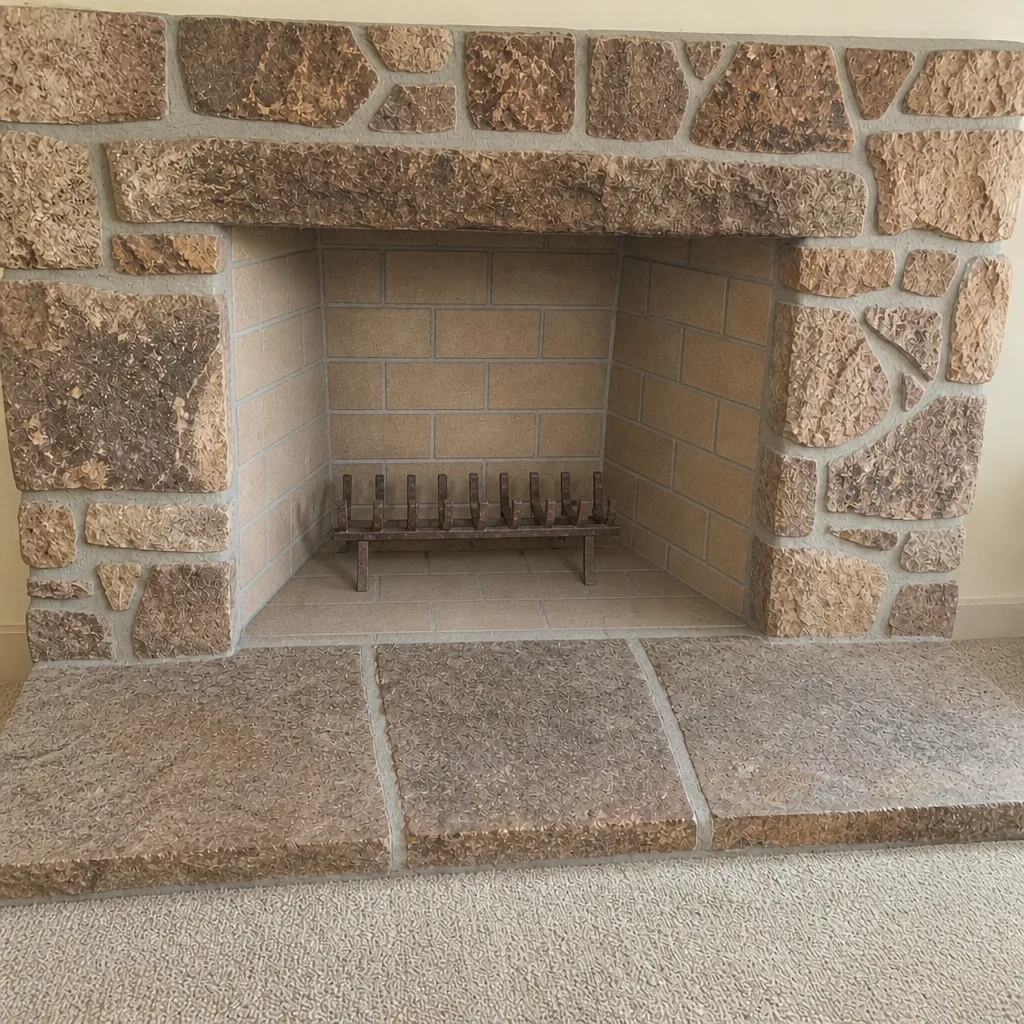
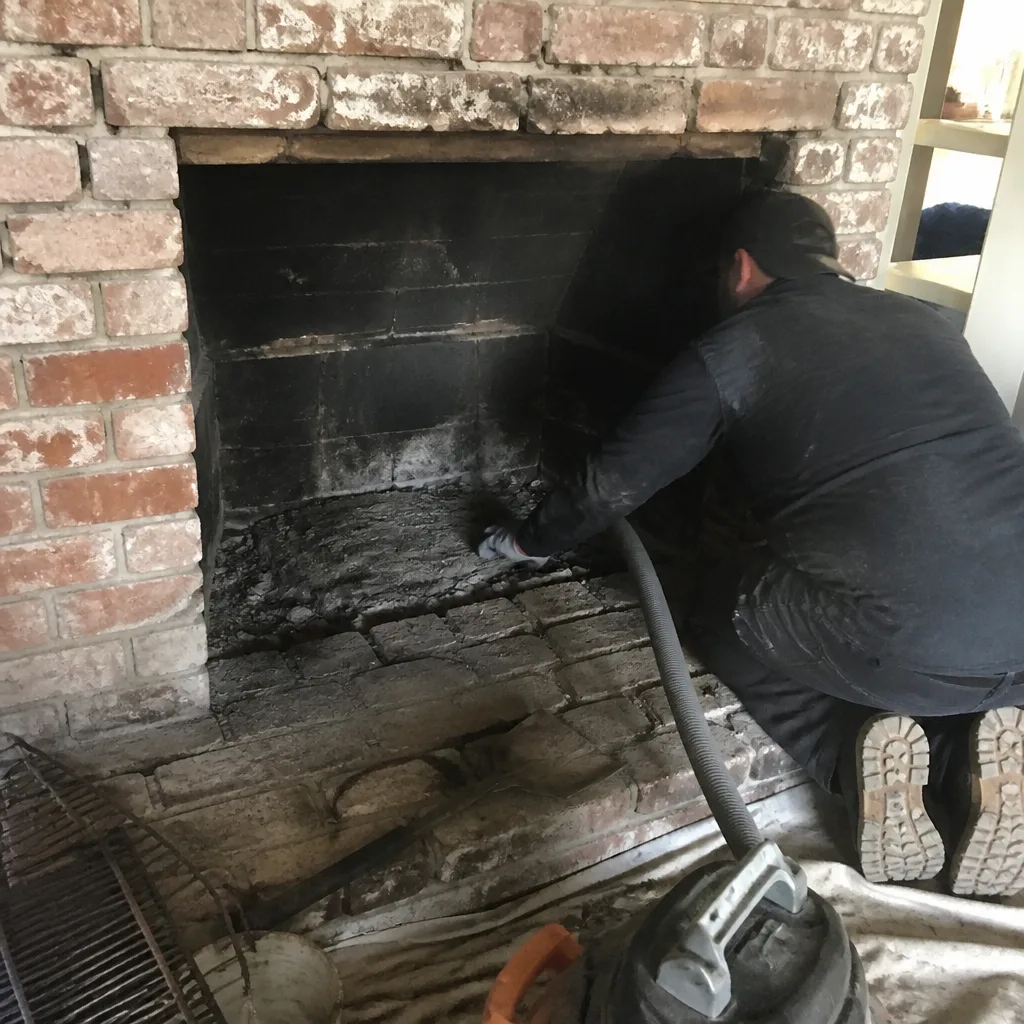
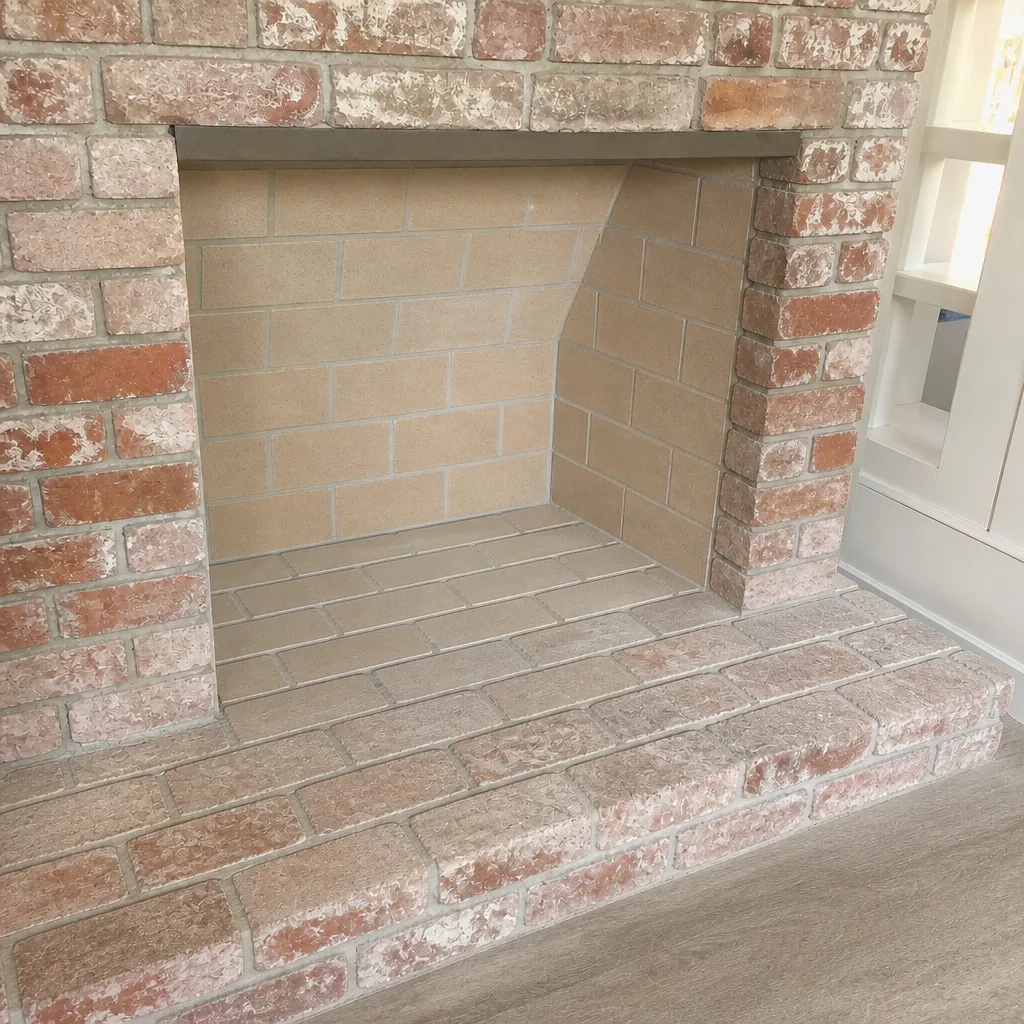
See the difference
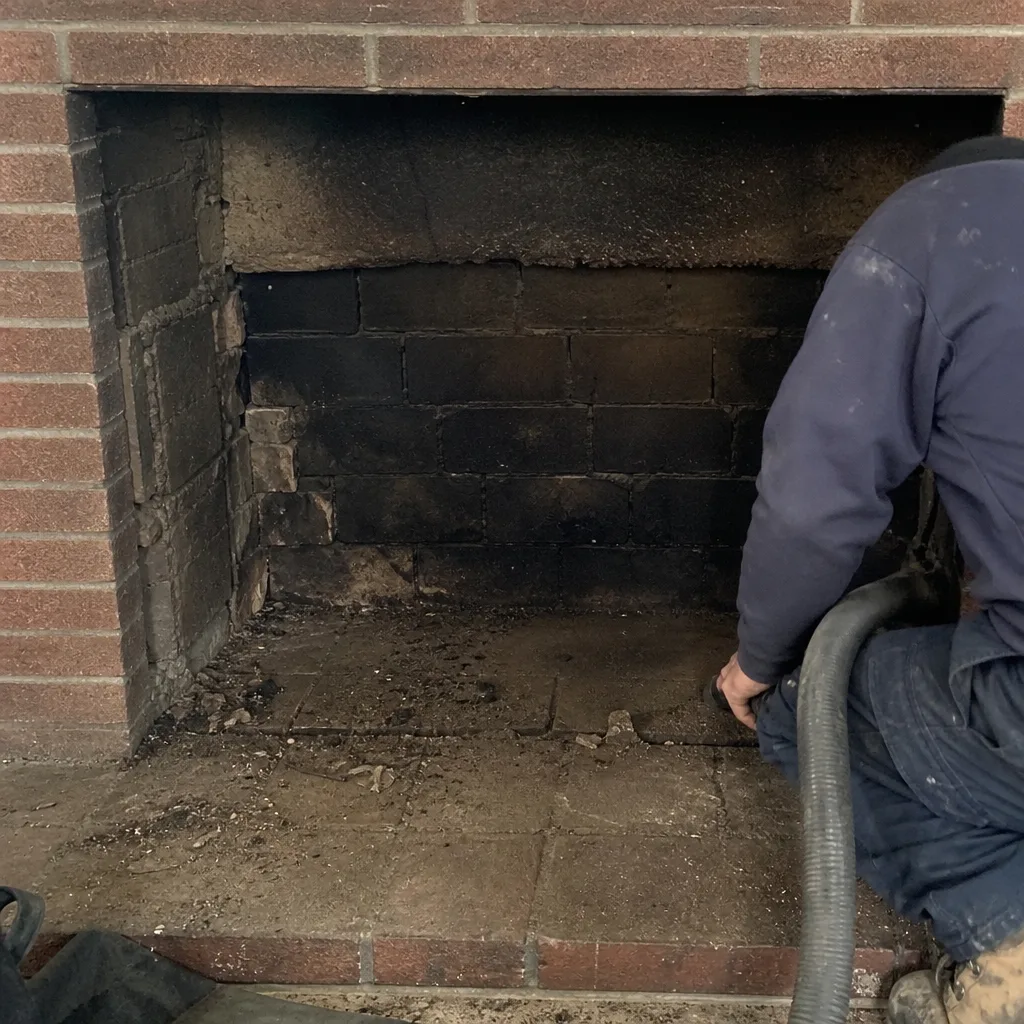 Before
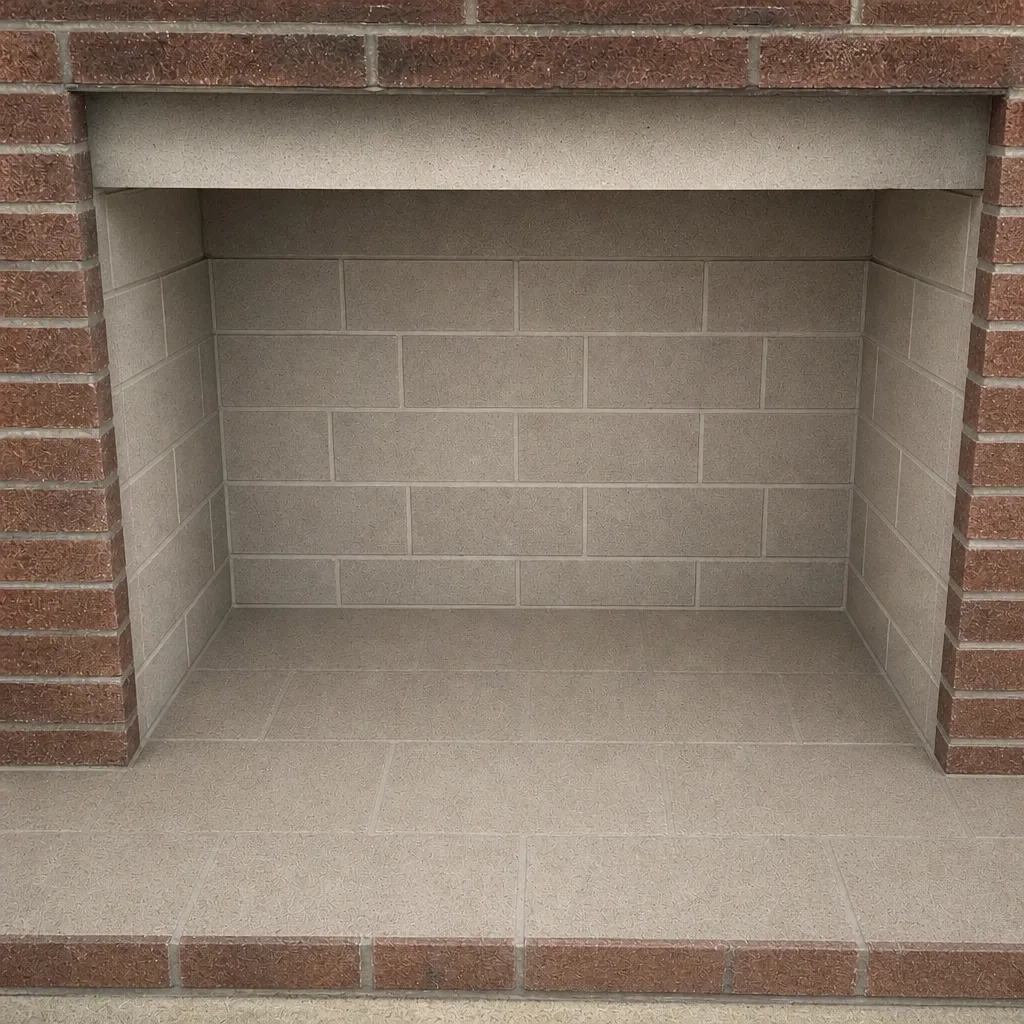 After
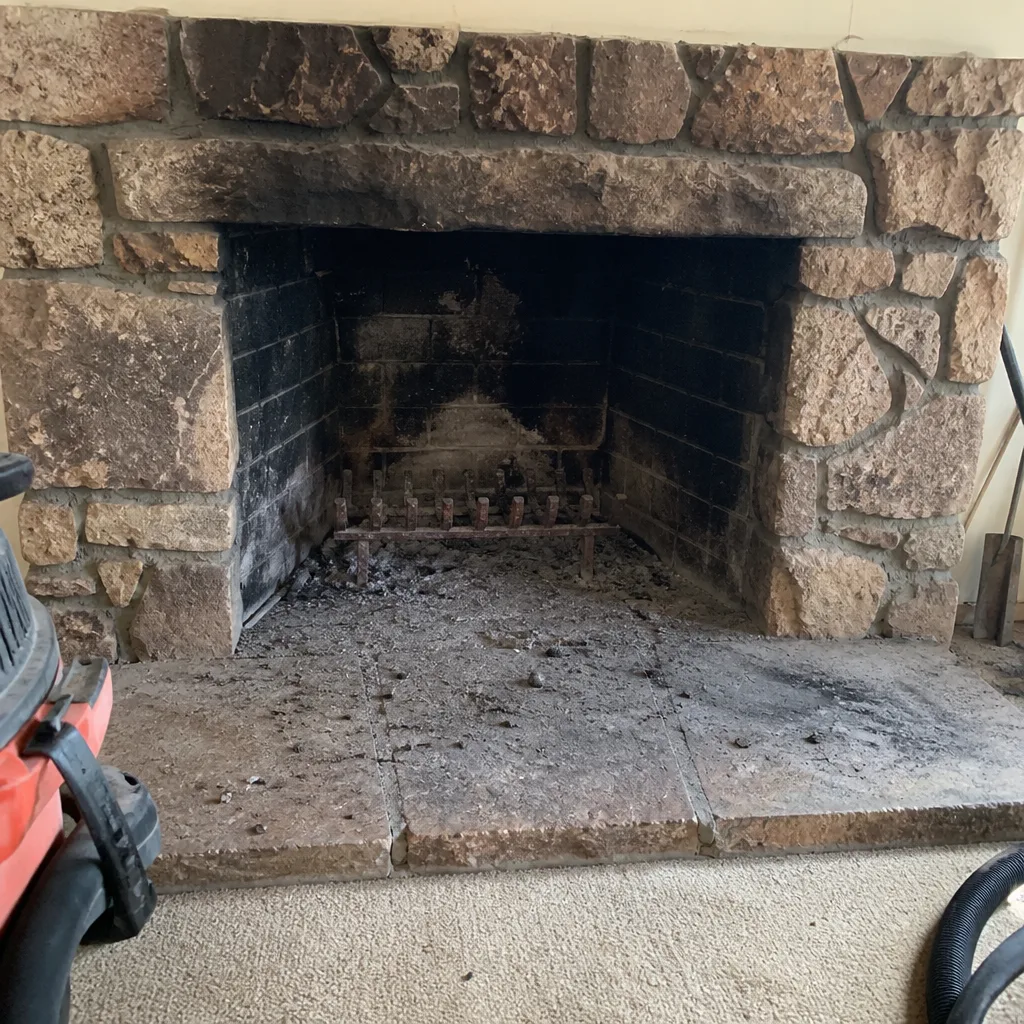 Before
 After
 Before
 After
When to Call a Professional
Some symptoms are safe to watch and others aren’t. Call a professional the moment smoke seeps from mortar joints or the chimney’s exterior, because that points to flue tile damage with a real safety dimension, not a simple draft issue. Call if you smell gas or an unusual odor from a flue shared with a gas appliance. Call after any chimney fire, even a small one, so the flue gets inspected for cracks. And call for the routine work you shouldn’t do yourself: a camera inspection of the flue tiles, a proper sweep before the season, and cap or crown repairs that involve roof access. Westchester Chimney Sweep Pros offers free estimates in Westchester – call (866) 490-9807 to get started.
Frequently Asked Questions
Because a clean flue and a smoking chimney can coexist. Post-sweep smoke almost always means the problem isn’t creosote at all: it’s negative air pressure, a cold flue, a partially closed damper, or a flue undersized for the firebox. Test the pressure theory by opening a window a few inches and lighting a fire; if it burns better, the issue is the house’s air balance, not the chimney’s cleanliness. Call (866) 490-9807 for an exact quote on a proper diagnosis – estimates are free.
Backdraft and blockage produce similar smoke, but they differ in timing. Backdraft tends to happen right when you light a fire or when exhaust fans run, and it often improves once the flue warms or a window opens. A blockage like a bird’s nest or glazed creosote causes consistently weak draw regardless of those factors. The only way to confirm a hidden blockage is a camera inspection. Call (866) 490-9807 for an exact quote – estimates are free.
Summer odor is creosote and soot residue absorbing humidity and releasing it back as smell, made worse by stagnant warm-weather airflow. The fix that lasts is a proper sweep to remove the residue layer, along with a clear cap screen and a closed damper when you’re not burning. It’s a maintenance signal rather than an emergency. Call (866) 490-9807 to schedule an assessment; estimates are free.
Some things you can tell from the ground. Flue tile condition is not one of them. Cracks and gaps hide inside the flue where no eye, flashlight, or ground-level look can reach, and those are the defects that matter for safety and for whether a liner is truly needed. A camera inspection shows you the evidence, and you see the same footage we do. Call (866) 490-9807 for an exact quote – estimates are free.
That timing pattern points to Westchester’s marine layer and the day’s temperature and pressure swings, not a structural failure. Cooler, denser morning air and the transition to a warmer afternoon change how the flue pulls, so a chimney that acts up early and settles by afternoon is showing a temperature story. We account for local timing when we diagnose draft complaints here. Call (866) 490-9807 to talk it through; estimates are free.
Yes, because water does the most expensive chimney damage over time, and the cap and crown are where it gets in. A cracked crown or a failed cap lets moisture into the masonry and starts the chain that leads to rusted dampers, cracked tiles, and stained walls. The repair is far simpler now than the damage it prevents. Call (866) 490-9807 for an exact quote – estimates are free.
The Bottom Line
A chimney rarely fails without warning. It tells you what’s wrong through smoke, odor, weak draw, or water stains, and the job of troubleshooting is to match that symptom to its mechanical cause before spending money on the wrong fix. Rule out the safe checks first: damper, cap, pressure, and season. Leave flue tile condition and hidden obstructions to a camera inspection you can see for yourself. Locally, Westchester’s marine layer makes timing and moisture both part of the diagnosis. Westchester Chimney Sweep Pros handles the full scope under one roof, from sweep to cap and crown to repair, using the professional-grade products chimney engineers specify. We’ll tell you what your chimney actually needs and what it doesn’t. Professionals who are licensed and insured as their state requires handle the work; our technicians have up to 15 years of experience.
When you’re ready to stop guessing and get a straight answer, call (866) 490-9807 for a free estimate. We answer 24/7. Fast dispatch from 7am to 7pm, Sunday through Friday.
For a full look at our five core services, start at Westchester Chimney Sweep Pros.
Written by the team at Westchester Chimney Sweep Pros.