
Last updated November 22, 2026
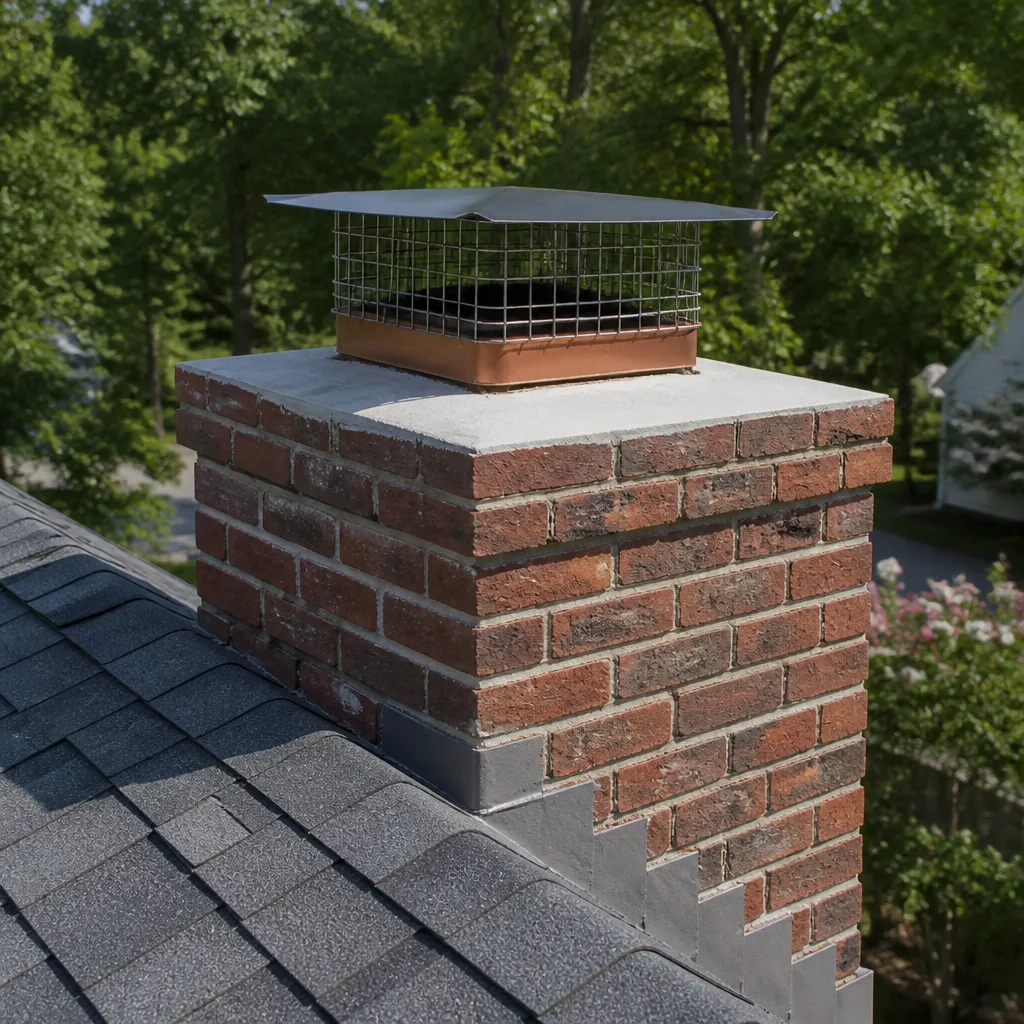 Sweep & inspection
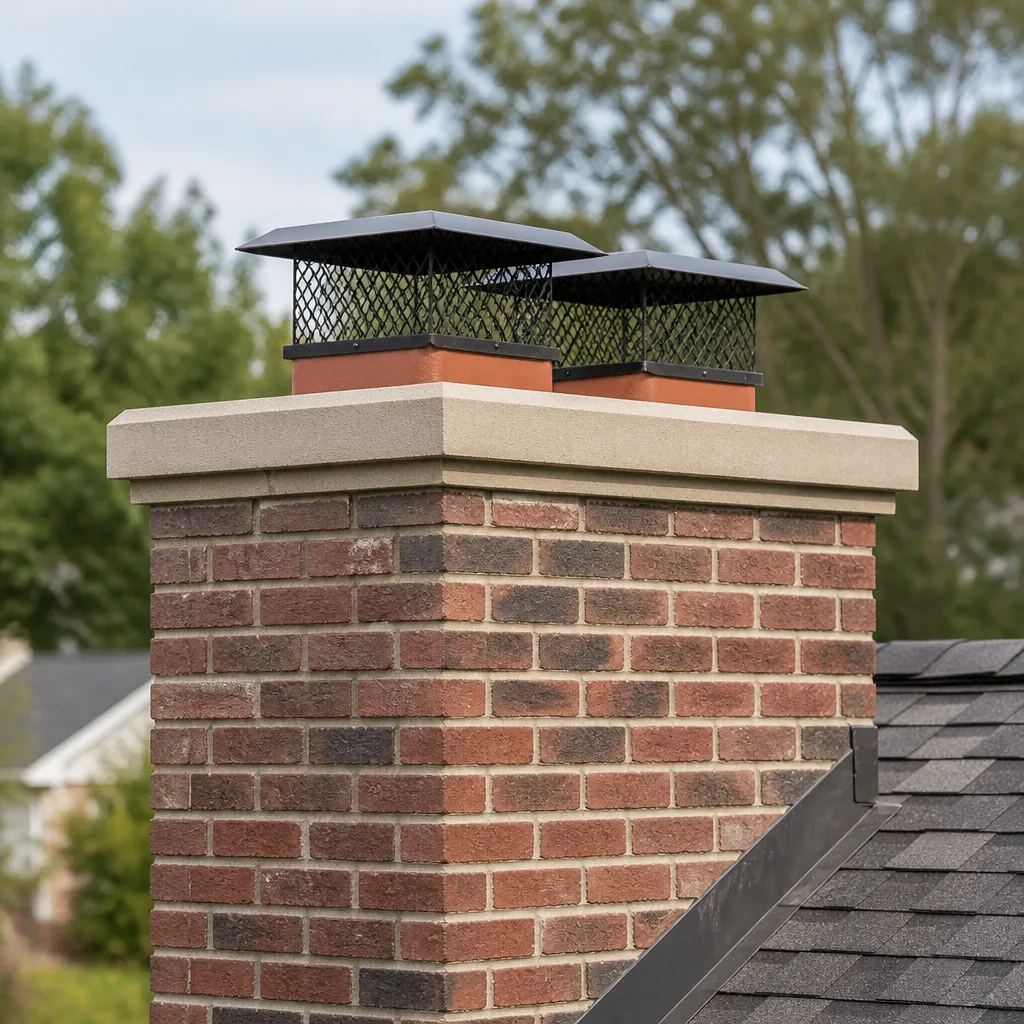 Caps & crowns
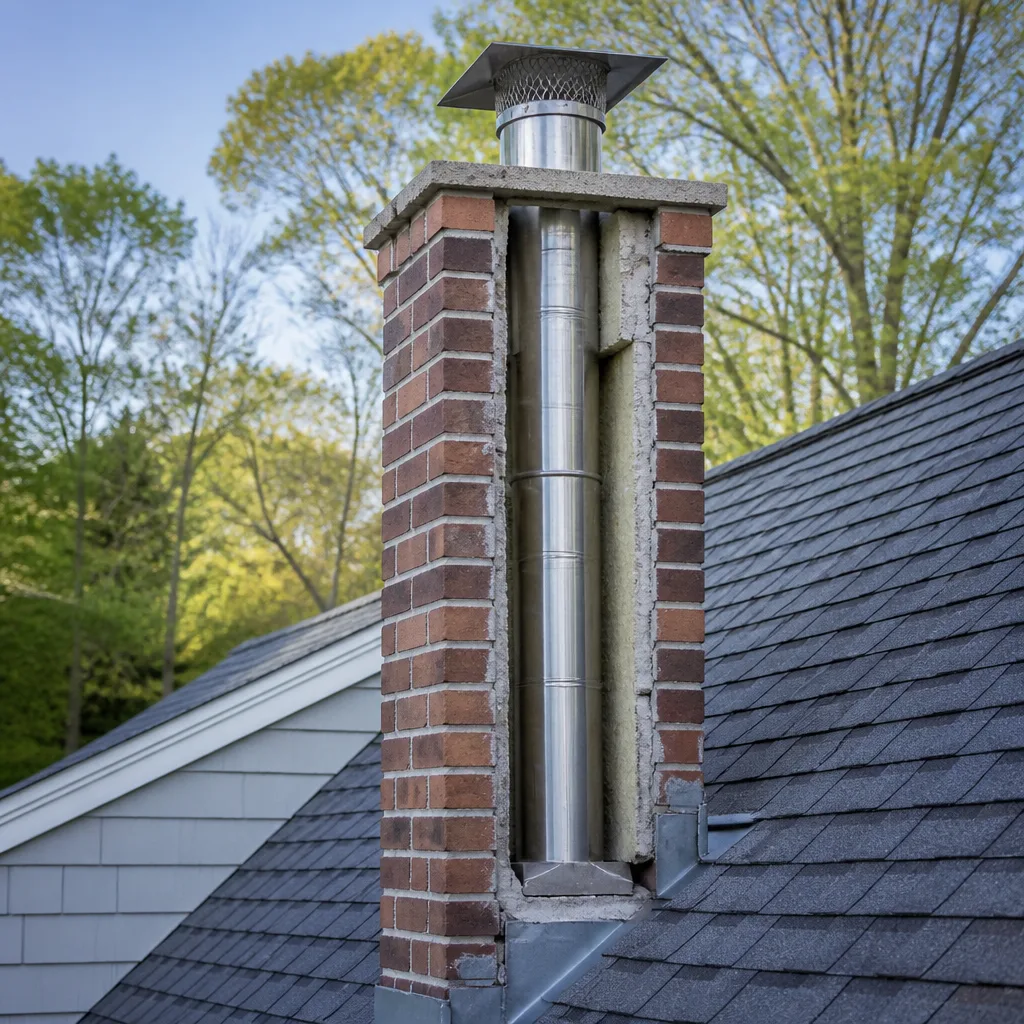 Flue relining
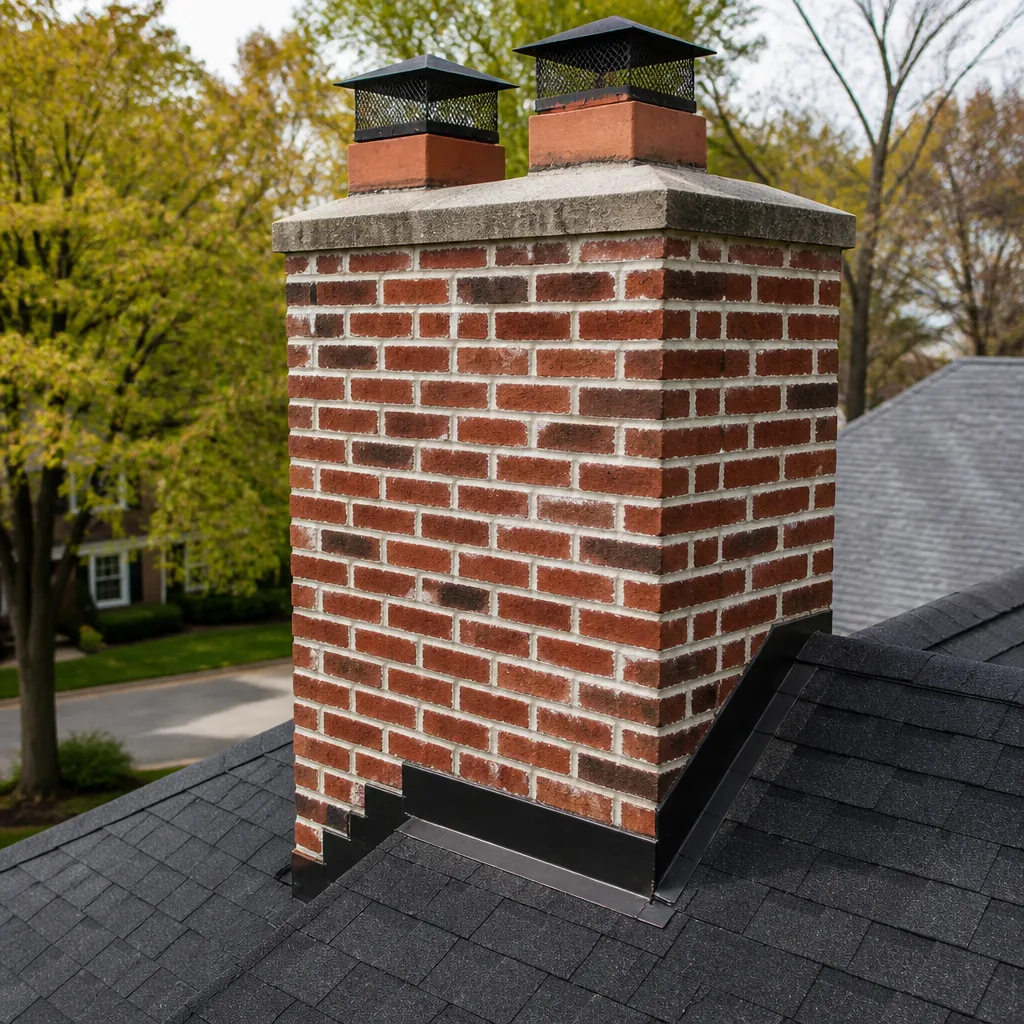 Masonry repair
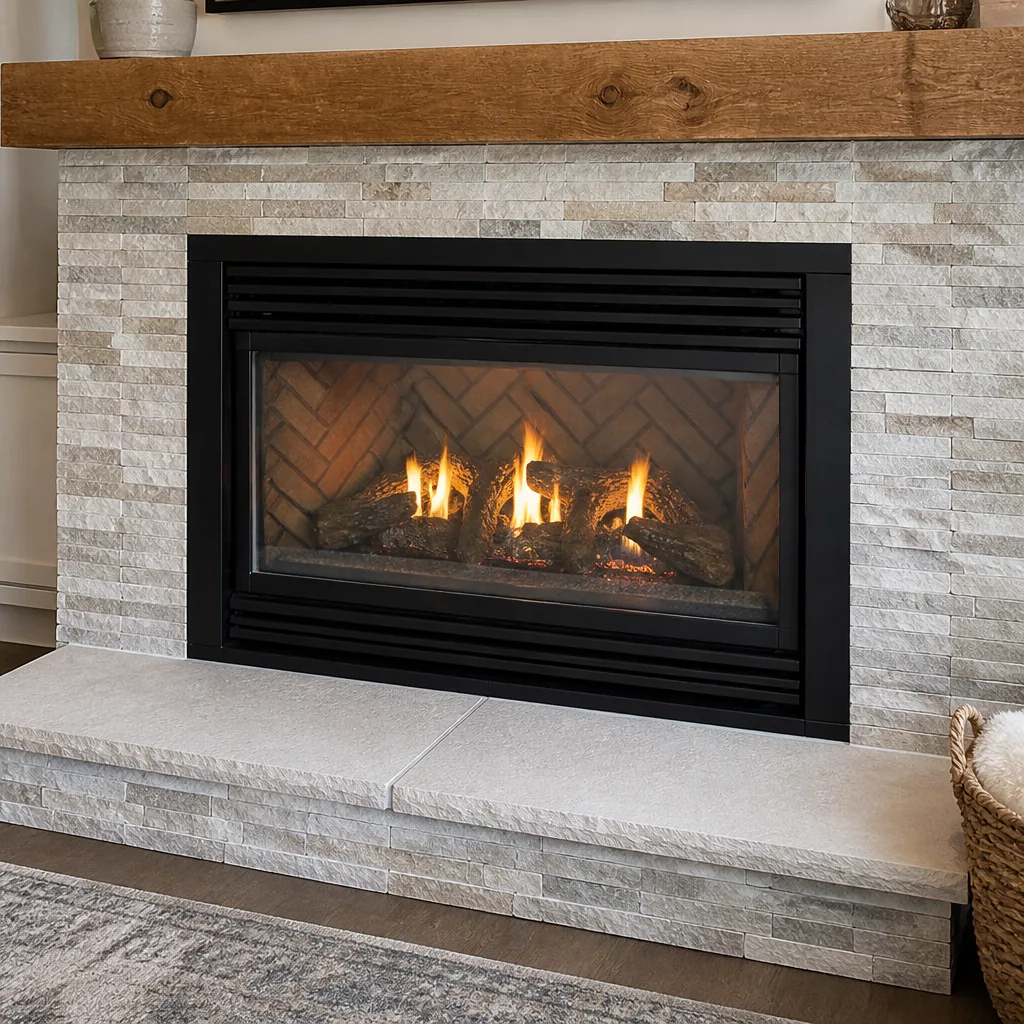 Gas fireplace service
Level 1 sweep and inspection to the NFPA 211 annual standard - flue, crown, cap, and flashing checked and photographed
Chimney sweep logs do not sweep chimneys. They loosen some creosote - which then falls where a brush and vacuum still have to collect it.
Chimney Cleaning Cost Breakdown: The Westchester Homeowner’s Reference for 2026
The $79 chimney sweep special you’ve seen advertised is real. It also covers about 40 minutes of work and a basic sweep, and nothing else. Everything that matters – the inspection, the cap, the crown, the flue repair the technician will recommend once he’s standing on your roof – is priced separately, usually after you’ve already committed to the low number. That’s the structural problem with chimney pricing in the Los Angeles area: there’s no published reference point, so a homeowner in Westchester has no way to judge whether the estimate in their hand is fair or inflated. This guide gives you the actual 2026 ranges, what drives them, and how to read a repair estimate before you sign it.
Quick Answer
A basic chimney sweep in Westchester typically runs $150 to $275. A Level 1 inspection usually adds $75 to $150, and a Level 2 camera inspection runs $175 to $350. A fair all-in price for the most common call – sweep, inspection, and minor maintenance like a cap reseat or firebox touch-up – lands around $325 to $550. Anything materially above those ranges deserves a second look and a written itemization.
Styles & brands we work with
- Sweep & inspection
- Caps & crowns
- Flue relining
- Masonry repair
- Gas fireplace service
Table of Contents
- Why Chimney Cleaning Prices in Westchester Are So Hard to Pin Down
- What Each Chimney Service Actually Costs in 2026
- What Drives the Price: Liner Material, Height, Access, and Scope
- How to Read a Chimney Repair Estimate
- Why the Cheapest Quote Is Structurally Incentivized to Find Add-On Work
- What a Fair All-In Price Looks Like for the Typical Westchester Call
- How Often You Actually Need a Sweep in This Climate
- What You Can Check Yourself and What You Shouldn’t
Why Chimney Cleaning Prices in Westchester Are So Hard to Pin Down
Chimney work is one of the last trades in the Los Angeles area where almost nothing is published. Plumbers post rates. Electricians post rates. Most chimney companies post a teaser price and a phone number, because the real revenue is in the repair work that follows the sweep. That’s not a conspiracy – it’s just how the trade has always been sold – but it leaves you comparing quotes with no frame of reference.
The second problem is that “chimney cleaning” means different things to different companies. To one, it’s a brush down the flue and a shop-vac. To another, it’s a brush, a camera, a crown inspection, a cap check, and a written report. Both get called a sweep. The price gap between them isn’t greed – it’s scope – but nobody tells you that up front.
In Westchester specifically, the housing stock adds a wrinkle. Much of the neighborhood was built in the mid-20th century, and the chimneys reflect it: masonry flues with original clay tile liners, many of them now sixty or seventy years old. A sweep on a 1950s masonry chimney is not the same job as a sweep on a modern factory-built fireplace insert. The older flue has more surface area, more mortar joint debris, and a much higher chance of a deteriorated tile the technician will want to talk to you about.
A third factor: this is a mild-winter climate. Chimneys here don’t get the constant burn cycle of a cold-weather market, which means creosote builds slowly over more years and the flue doesn’t get scoured by heavy use. We’ve found that Westchester homeowners often go longer between sweeps than they should, not because they’re careless, but because a fireplace that gets used a dozen times a season doesn’t feel like it needs attention. It does.
None of that is an argument for spending more. It’s an argument for knowing the numbers before the technician hands you an estimate. That’s what the rest of this guide is for.
What Each Chimney Service Actually Costs in 2026
These are typical ranges for the Los Angeles area in 2026. They are estimates, not quotes, and the written estimate you receive on site sets the final price. The ranges are wide because a chimney is not a standardized unit – two houses on the same block can have completely different flue configurations.
| Service | Typical 2026 Range | What’s Usually Included |
|---|---|---|
| Basic chimney sweep | $150 – $275 | Brush and vacuum of the flue, firebox, and smoke chamber; light creosote removal |
| Level 1 inspection | $75 – $150 | Visual check of accessible portions: firebox, damper, flue, cap, crown |
| Level 2 inspection | $175 – $350 | Camera scan of the full flue, written report with photos |
| Chimney cap installation | $225 – $450 | Supply and install of a standard or custom cap; removal of old cap |
| Crown repair or rebuild | $350 – $1,200 | Crack sealing on smaller jobs; full crown rebuild at the top of the range |
| Flue resurfacing (HeatShield) | $1,200 – $2,400 | Resurfacing of deteriorated flue tiles without full relining |
| Full liner replacement (DuraFlex) | $2,800 – $6,500 | Flexible stainless liner, insulation, top plate, appliance connection |
| Firebox repair | $600 – $2,000 | Depends on whether it’s mortar repointing or firebrick replacement |
Two quick notes on that table. First, the spread inside each row isn’t padding – a crown repair on a single-story ranch with an open roofline is a fundamentally easier job than the same repair on a two-story with a steep pitch and limited access. Second, the liner range is wide because liner material and appliance type drive it. A gas appliance reline using DuraFlex is at the lower end; a wood-burning appliance reline with insulation and a full top plate assembly sits higher.
If you want the full scope of what a proper sweep involves, our chimney sweep page walks through the process step by step. The cost table above is the short version.
What Drives the Price: Liner Material, Height, Access, and Scope
Four variables account for nearly all the price variation you’ll see between quotes for what sounds like the same job. Understanding them lets you tell a legitimate difference from a padded one.
1. Liner material and condition
If the technician finds sound clay tile, the liner isn’t a factor and you’re paying for a sweep plus an inspection. If the tile is spalled or cracked, you’re now in liner territory, and the material matters. A flexible stainless liner in a professional grade like DuraFlex is a different spec and a different price than a big-box liner kit. The former is designed for the appliance type – gas, oil, or wood – and installed with the correct insulation and top plate. The latter often isn’t. This is where the phrase “we use the same materials chimney engineers specify” comes from. It’s not marketing; it’s the difference between a liner rated for the heat and one that isn’t.
2. Chimney height
A taller flue means more liner, more brush time, and more setup. A two-story chimney in Westchester runs meaningfully more than a single-story one for the same service. There’s no way around that – it’s labor and material, both of which scale with height.
3. Accessibility
Roofline access is the quiet cost driver nobody mentions up front. A chimney on a low-pitch roof with clear walkable space is quick to reach. A chimney tucked behind a dormer, surrounded by steep pitch, or on a roof with a fragile surface requires different equipment and more time. Some contractors price this in; some quote low and add it later. Ask which they do.
4. Repair scope
The biggest swing in any estimate is what the technician finds once the camera is in the flue. A hairline crack in a crown and a failed flue tile look similar in a written estimate (“crown repair, flue repair”) but require completely different work. That’s why the Level 2 camera inspection exists, and why a quote without photos is a quote you should be skeptical of.
If a technician from Westchester Chimney Sweep Pros is on your roof, you’ll see the same photos we do before any work is recommended. That’s the standard, and it’s the reason the pricing above isn’t vague – you get a written estimate for the job in front of you, not a number pulled from a book.
How to Read a Chimney Repair Estimate
An estimate you can’t interpret is an estimate you can’t trust. Here’s the sequence to run it through before you sign anything.
- Check that each line item names the actual problem, not the category. “Crown repair” is vague. “Crown repair: hairline crack at front edge, 4 linear feet of sealant, no rebuild required” is specific. Ask for the latter.
- Look for photos attached to the estimate. Every item over a few hundred dollars should have a photo from the camera or a shot from the roof. If it doesn’t, ask. If the answer is “we couldn’t get a good photo,” ask to see it on the technician’s phone screen.
- Distinguish repair from replacement. Many flue tile issues can be resurfaced rather than fully relined. A HeatShield application, for example, addresses a deteriorated tile without a full DuraFlex liner, and it costs significantly less. If your estimate jumps straight to full relining on a chimney with moderate tile damage, ask why resurfacing isn’t an option.
- Check whether the item is time-sensitive or can safely wait. That’s a legitimate question to ask directly. Some repairs – a cracked crown, a missing cap on a flue exposed to rain – protect the chimney and should happen soon. Others, like a minor smoke chamber patch, can typically be planned into a future season. A good estimate will say which is which.
- Look at the total against the table above. If the total is far above the range for that combination of services, ask for a line-by-line breakdown. Not an argument – just a request. Any legitimate shop will provide it.
That last point matters. In our experience, the difference between a fair estimate and a padded one isn’t usually the headline number – it’s a few line items inflated by 50% plus a vague “chimney sealant” charge at the bottom. Line-item review catches both.
Why the Cheapest Quote Is Structurally Incentivized to Find Add-On Work
There’s a math problem underneath the $79 sweep that most homeowners never see. A sweep at that price, done properly, doesn’t cover the cost of getting a technician to the house, up the ladder, and back down. So the business model only works if something else gets sold on the same visit. That’s why the cheapest quote in the pile tends to be the one with the longest add-on list once the technician is on the roof.
This isn’t about blaming anyone. It’s about understanding the incentive. When you’re comparing three quotes for chimney cleaning in Westchester, you’re comparing three different business models:
- The teaser model. Low headline price, high margin on add-ons found on site. The sweep is the door-opener.
- The quoted-scope model. A fair price for the sweep plus a stated inspection scope, so the add-ons aren’t a surprise because you already know what they cost.
- The all-in model. One price that includes sweep, inspection, and typical minor maintenance, with any major repair quoted separately and itemized.
None of those is inherently dishonest. What matters is knowing which one you’re buying. Ask a simple question when you call: “Does that price include an inspection?” If the answer is vague, that tells you a lot. If the answer is a clear scope, you’re already in better territory.
It’s also why we’ve always favored a written scope before any work begins. On a Westchester call, you’ll know the sweep price, the inspection price, and what a cap or crown costs before the ladder comes off the truck. If that’s the way you want to buy, that’s the way we sell.
What a Fair All-In Price Looks Like for the Typical Westchester Call
The most common call we see in Westchester isn’t a dramatic repair. It’s a homeowner who hasn’t had the chimney looked at in a few years, wants a sweep, wants reassurance that nothing is wrong, and needs a couple of small items addressed – the cap re-seated, the firebox mortar touched up, maybe a damper that’s stiff.
For that call, a fair all-in price in 2026 looks like this:
- Sweep: $150 – $275
- Level 1 inspection: $75 – $150
- Minor maintenance – cap reseat, damper adjustment, mortar touch-up: $100 – $200
Total: roughly $325 to $625 depending on the access and what’s actually found. If the chimney turns out to be in good shape and no maintenance items come up, you might land below $400 even on the high side of the sweep and inspection. If a cap needs replacing rather than re-seating, that pushes toward the top of the range or above it, because a new cap is a real item with a real cost.
What should raise your eyebrow is a quote well above that total for what is described as routine maintenance, or a quote that starts low and climbs during the visit without a clear photo-based reason. Both happen. Neither has to happen to you if you know the numbers.
Our chimney cap & crown page covers what those two items actually do, and why a failed cap is the leading cause of water intrusion into a chimney – which is often the real reason a repair quote comes back higher than expected.
How Often You Actually Need a Sweep in This Climate
The industry standard recommendation is an annual inspection and a sweep when the inspector finds enough buildup to warrant it. That holds in Westchester too, but the rhythm looks different than it does in colder parts of the country.
Here’s the practical version:
- Wood-burning fireplaces used a few times a week through the season: inspect annually, sweep roughly every other year depending on what the inspection shows. Creosote still builds; it just builds more slowly when the fireplace isn’t the primary heat source.
- Wood-burning fireplaces used heavily or with unseasoned wood: sweep annually. Dense, sticky creosote builds faster than most homeowners realize, and it’s exactly the kind a visual inspection alone can miss.
- Gas appliances: inspect every year or two. Gas doesn’t produce creosote, but it does produce a flue environment where the liner condition matters, and a compromised liner on a gas appliance is a carbon monoxide concern.
- Any chimney that has never been inspected since you bought the house: inspect now, then set the schedule from what’s found.
Two climate-specific points for Westchester. First, mild winters mean the fireplace season is shorter but the off-season matters more – the chimney sits idle for most of the year, and idle chimneys are where small water intrusion becomes real structural damage. A sound cap and crown do more for the long-term health of your chimney than an extra sweep ever would. Second, dry, warm Los Angeles weather doesn’t offset the buildup inside the flue. Creosote doesn’t care what the temperature is outside.
For a fuller walkthrough of the inspection side of that schedule, our chimney cap & crown page and our sweep service page together cover both halves of the routine. If the sweep finds a firebox issue, our fireplace repair page explains what’s involved.
What You Can Check Yourself and What You Shouldn’t
There’s a real, useful set of things a homeowner can check. And there’s a shorter list of things that are genuinely dangerous to do without training. Knowing the difference saves you money and keeps you off a ladder unnecessarily.
Safe to check yourself:
- Whether the damper opens and closes smoothly.
- Whether there’s a visible cap on top of the chimney (a quick look from the yard).
- Whether there’s water staining on the firebox walls or the ceiling near the chimney.
- Whether there’s a buildup of soot visible inside the firebox beyond a light film.
- Whether the mortar joints around the firebox brick look eroded or crumbling.
Don’t do this yourself:
- Climbing onto the roof to inspect the flue or cap. Roof access is the single most common cause of injury in chimney work, and a mild Westchester climate does not make a roof surface safer.
- Removing or re-seating a cap or crown. The crown is structural, and a bad crown rebuild creates a worse water problem than it solves.
- Running a camera into the flue and interpreting what it shows. Camera work is only as good as the training behind it, and the wrong read is worse than no read.
- Anything involving the liner itself, sealing, or resurfacing. Those require brand-specific training – HeatShield and DuraFlex systems, for example, are installed to a spec, not improvised.
If you’re not comfortable confirming any of the safe items above, that’s fine. That’s what the inspection is for. What matters is that you know what a reasonable price for that inspection looks like before you call.
Common Mistakes to Avoid
- Booking based on the advertised price alone. A $79 sweep is a real number, but it usually doesn’t include an inspection. Ask what’s included before you book, not after the technician is on the roof.
- Accepting a repair estimate without photos. A camera scan produces pictures. If the estimate has no photos attached, that’s the first thing to ask about – a fair shop won’t hesitate to show you.
- Assuming a full reline is the only fix for a damaged flue. Moderately deteriorated tile can often be resurfaced rather than relined. If you’re quoted a full liner on moderate damage, ask about resurfacing options before signing.
- Skipping the annual inspection because the fireplace “seems fine.” Most chimney problems in Westchester homes are invisible from the living room. A crack in the crown or a spalled flue tile doesn’t announce itself.
- Buying a cap from a generalist contractor. A cap is a small job, but a poorly fitted one creates a worse draft problem and doesn’t solve the water intrusion it was meant to. Cap and crown work is specialist work.
- Comparing quotes with different scopes. A $200 sweep plus $150 inspection and a $350 sweep plus included inspection are closer than they look. Compare the whole scope, not the largest number on the page.
- Waiting until the first cold night to book. Chimney scheduling in Westchester fills up as the season turns. A spring or early-fall booking gives you time to plan any repair the inspection finds.
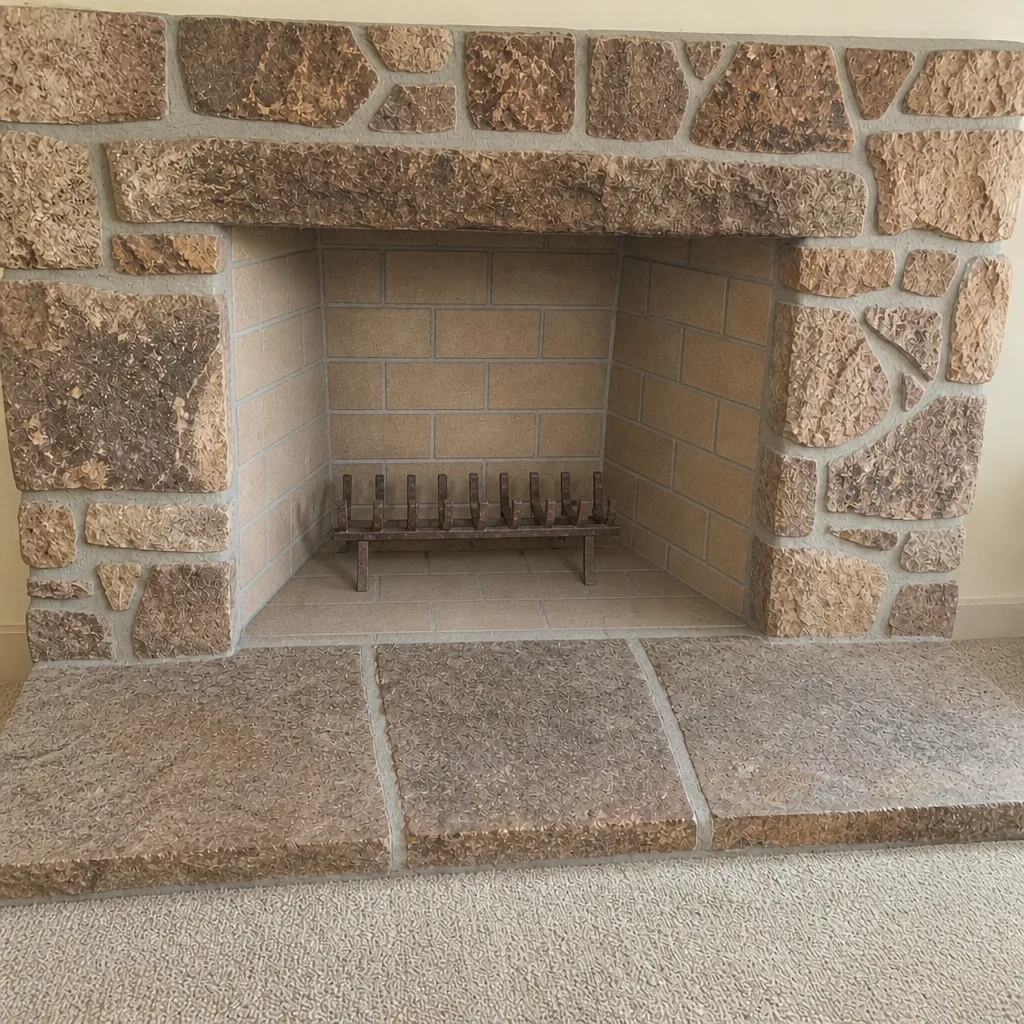
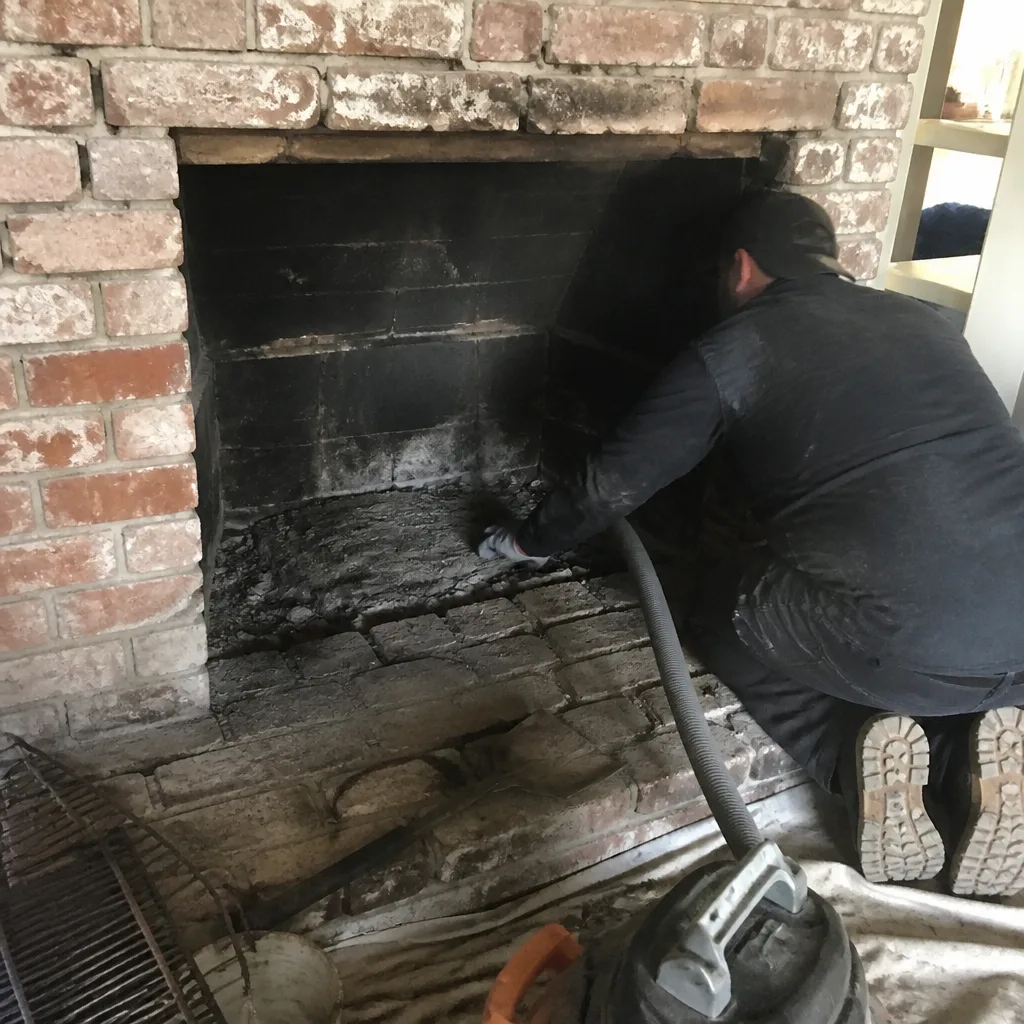
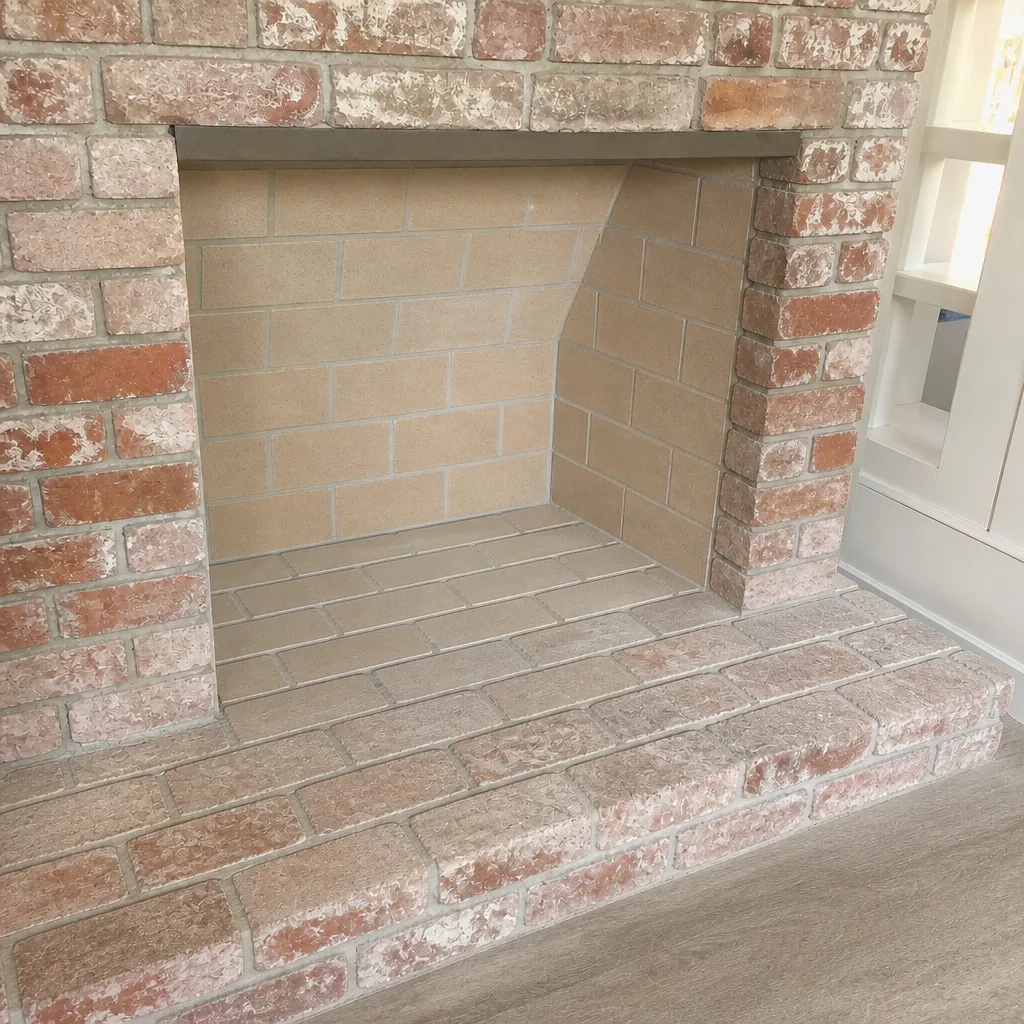
See the difference
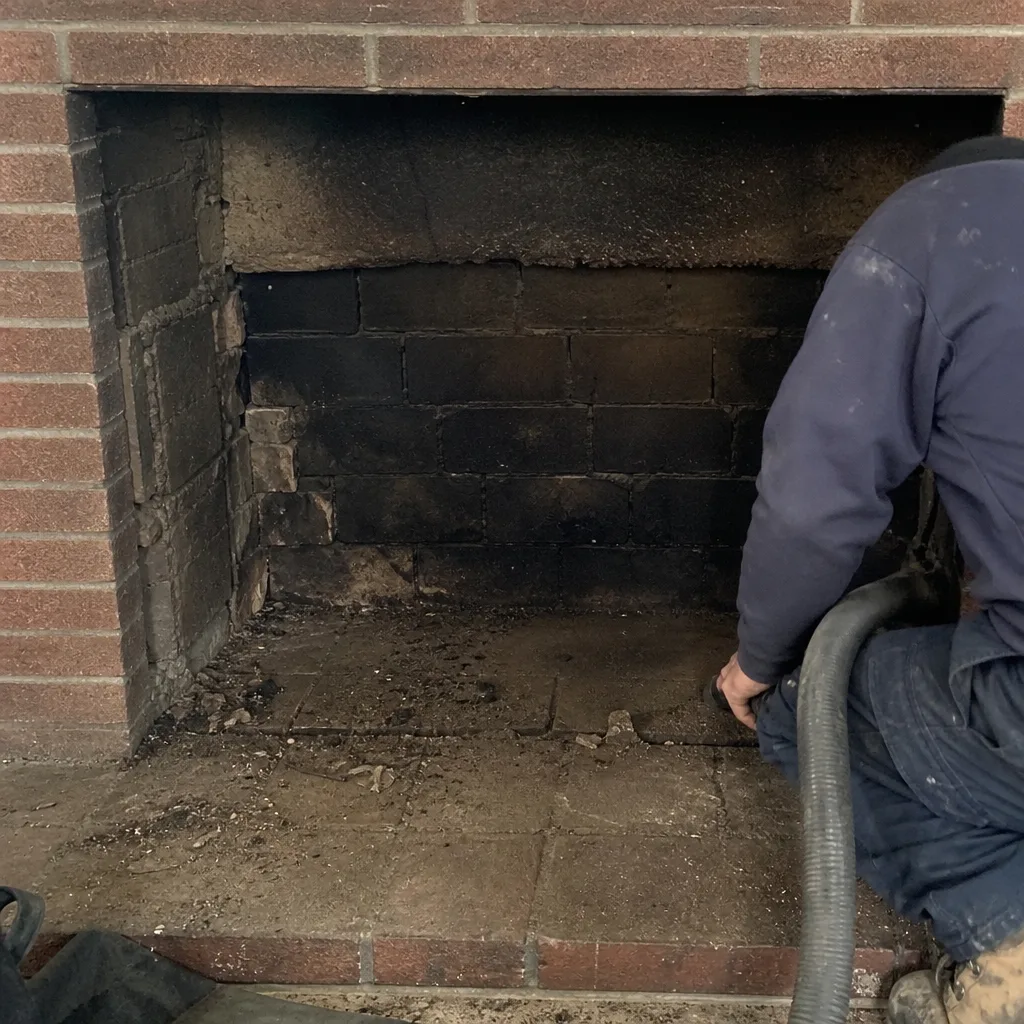 Before
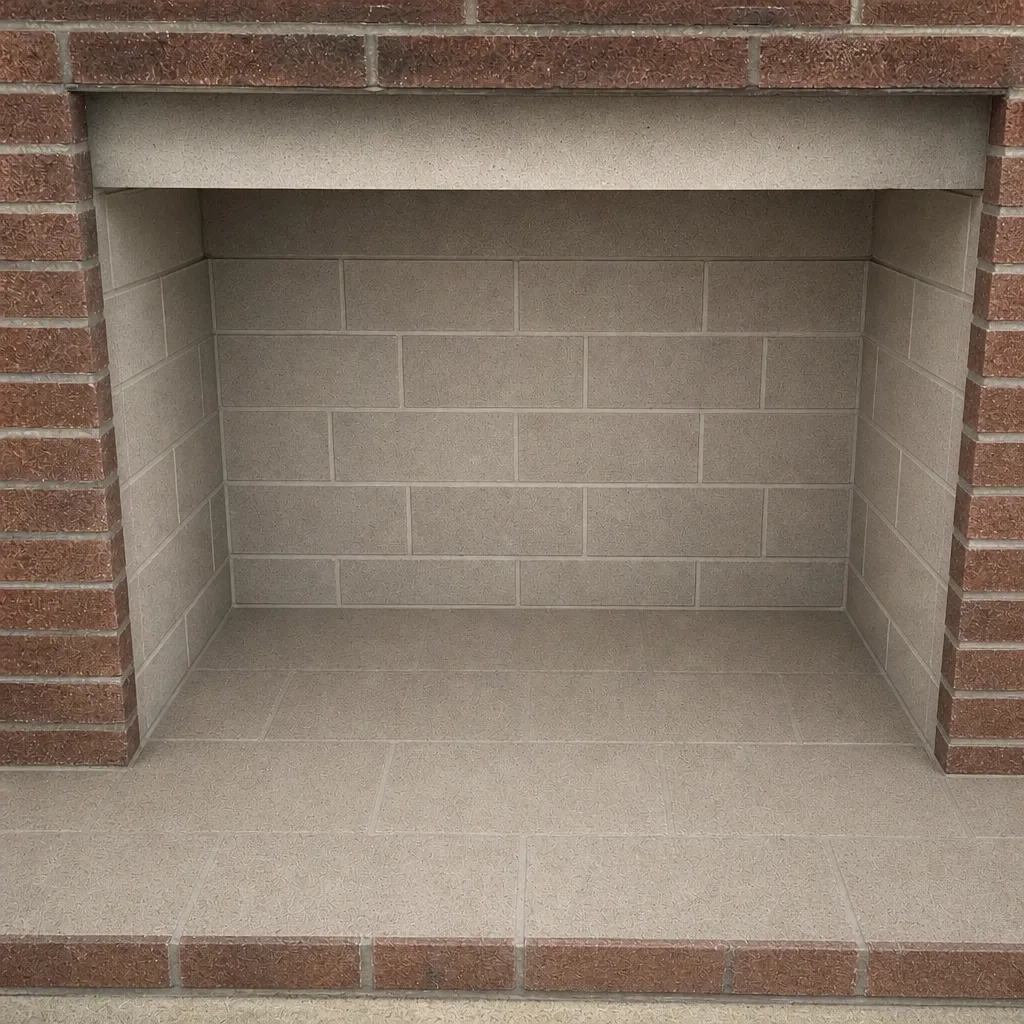 After
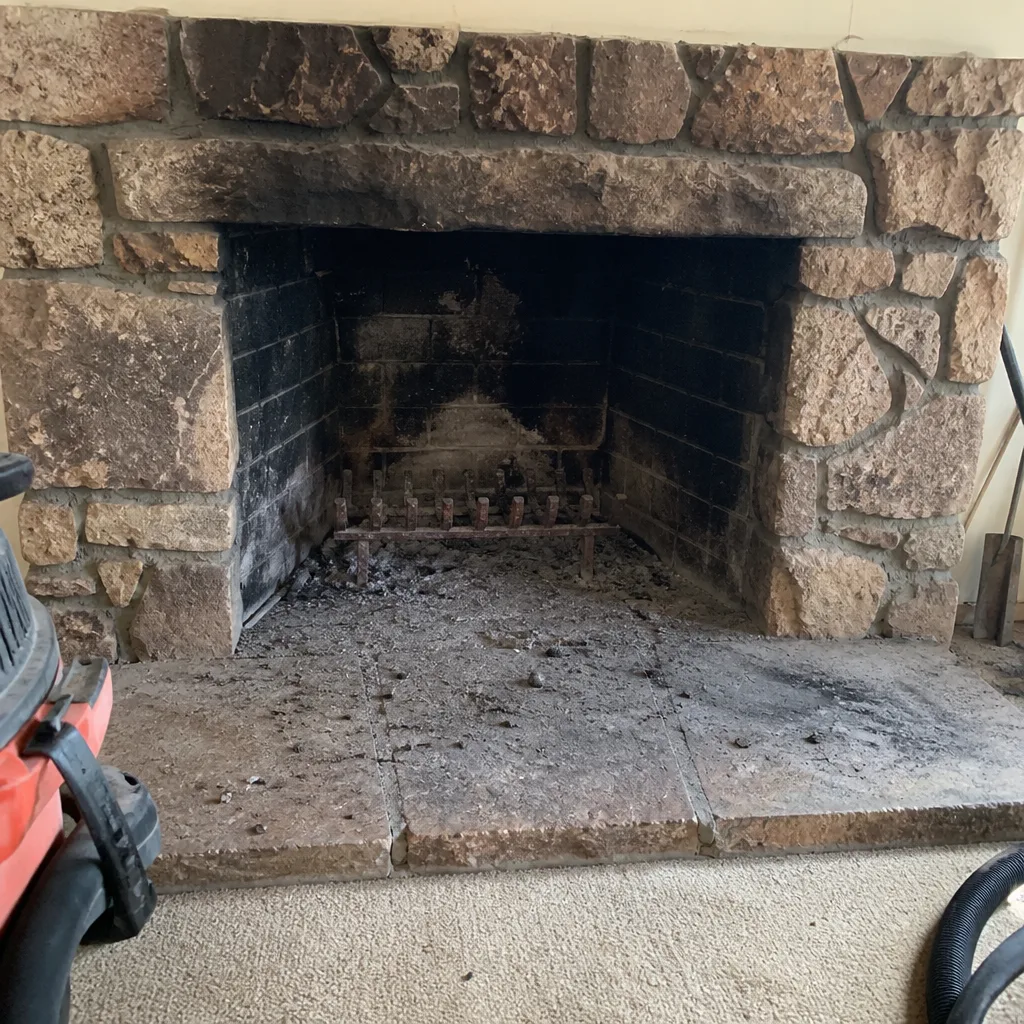 Before
 After
 Before
 After
When to Call a Professional
Call a professional if you’ve never had the chimney inspected, if it’s been more than two years since the last one, if you’re seeing water stains near the chimney or inside the firebox, if the firebox mortar looks eroded, or if you’re buying a house with a fireplace and want to know its actual condition before closing. Call even if everything seems fine – that’s what the inspection is for, and a clean report is a useful thing to have on file.
Don’t call a generalist handyman for chimney work. The materials and the installation specs are trade-specific, and a job done to the wrong spec on a flue that handles combustion gas is a job that has to be redone. Westchester Chimney Sweep Pros handles inspection, sweep, cap and crown, fireplace repair, and chimney repair under one roof – no handoffs. Free estimates in Westchester. Call (866) 490-9807. We answer 24/7. Fast dispatch from 7am to 7pm, Sunday through Friday.
Frequently Asked Questions
A basic chimney sweep in Westchester typically costs $150 to $275 in 2026. That covers the brush and vacuum of the flue, firebox, and smoke chamber, plus light creosote removal. If you need an inspection as well – which you usually do – budget for $75 to $150 on top. The written estimate you receive on site sets the final price. Call (866) 490-9807 for an exact quote – estimates are free.
Because it doesn’t cover the cost of the visit, so the money comes from add-on work found on site. A $79 sweep is real, but it’s about 40 minutes of work and a basic brush-down, and anything else – inspection, cap, crown, flue repair – is priced separately. The low number is the door-opener, not the price of the job. Call (866) 490-9807 to get a written scope before anything is booked.
Only if the flue tile is actually deteriorated to a point that can’t be resurfaced. Many Westchester chimneys with moderate tile damage can be addressed with a HeatShield resurfacing rather than a full DuraFlex reline, which costs substantially less. The way to know which applies is a Level 2 camera inspection with photos you can see. If you’re quoted a full liner without photos of deterioration, ask for them. Call (866) 490-9807 for a written, photo-backed estimate.
Inspect annually and sweep when the inspection shows enough buildup to warrant it. Wood-burning fireplaces used a few times a week can often go roughly every other year between sweeps, while heavily used fireplaces or those burning unseasoned wood should be swept every year. Gas appliances need an inspection every year or two. Call (866) 490-9807 to book an inspection and get the schedule set from what’s actually found.
Small problems get more expensive. A hairline crown crack that would seal for $350 can open up and turn into a $1,200 crown rebuild. A spalled flue tile can progress toward a liner replacement. And on a gas appliance, a compromised liner is a carbon monoxide concern that no annual check would have caught because no annual check was done. None of that is urgent in a mild climate – but it is cumulative. Call (866) 490-9807 to get the chimney on a proper inspection schedule.
Yes, that’s fine – as long as you don’t climb on the roof to do it. A flashlight check of the firebox and the visible lower flue is a reasonable homeowner check, and it’s a good way to spot obvious soot or staining. Anything that involves the roof, the cap, the crown, or the flue itself should go to a trained technician, because roof access and flue interpretation are where injuries and misreads happen. Call (866) 490-9807 to have the inspection done properly.
The Bottom Line
Chimney cleaning pricing in Westchester is opaque because the trade has always sold it that way – a low headline number, with the real scope priced on site. That doesn’t mean the low number is a lie, or that the higher one is a scam. It means you need a reference point. Use the ranges in this guide as that reference: $150 to $275 for a sweep, $75 to $150 for a Level 1, $175 to $350 for a Level 2, and roughly $325 to $625 all-in for the typical sweep-plus-inspection-plus-minor-maintenance call. Ask for photos. Ask what can safely wait. And compare scope, not just the biggest number on the page.
If you want a written estimate backed by photos before anything is scheduled, that’s the standard we hold. We’ll tell you what your chimney actually needs, and what it doesn’t. Call (866) 490-9807. We answer 24/7. Fast dispatch from 7am to 7pm, Sunday through Friday.
Written by the team at Westchester Chimney Sweep Pros.