
Last updated November 22, 2026
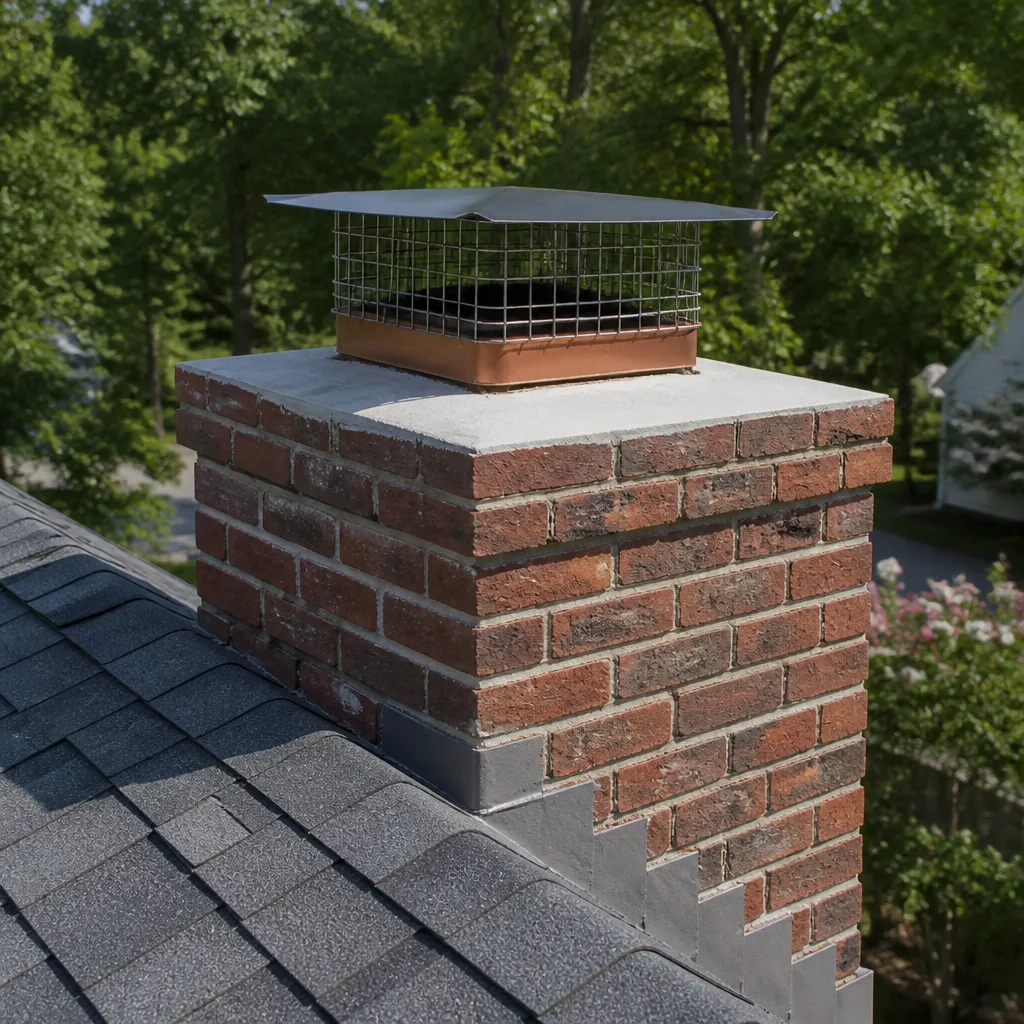 Sweep & inspection
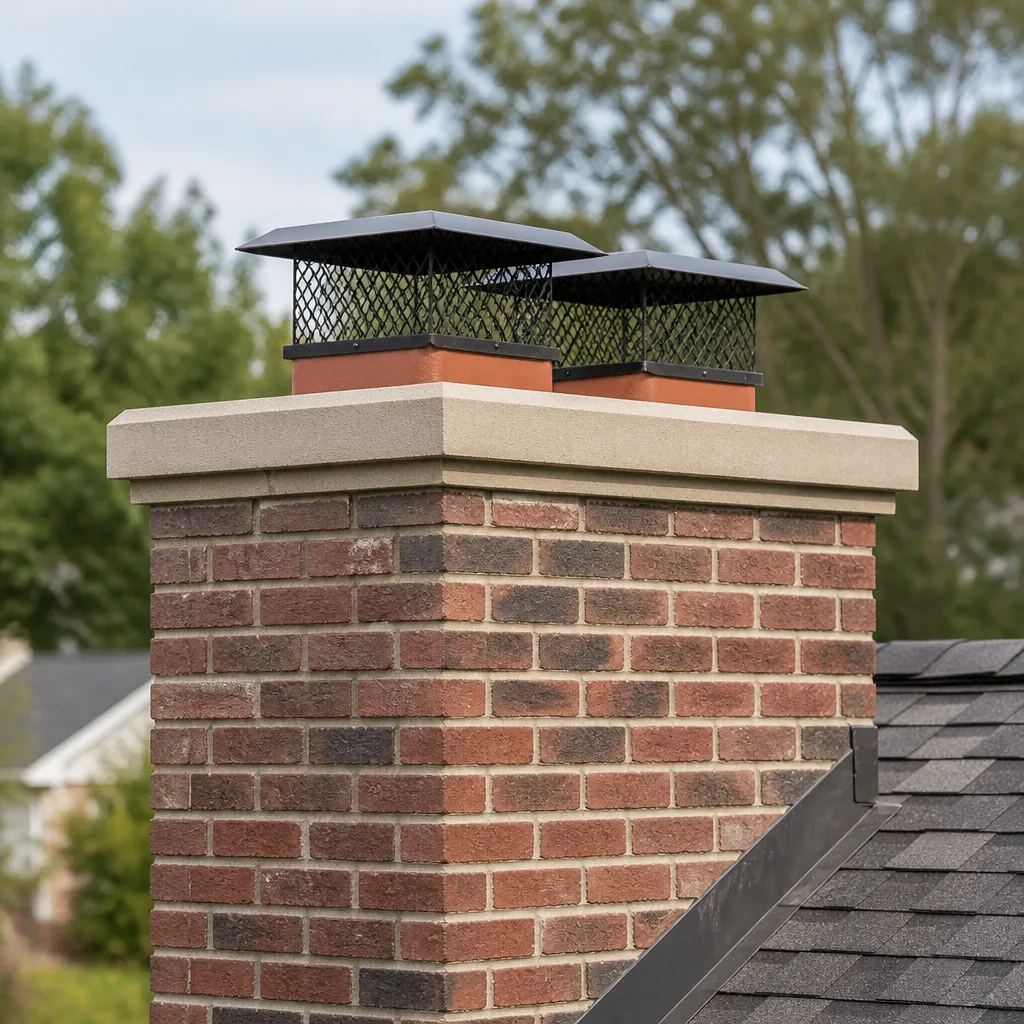 Caps & crowns
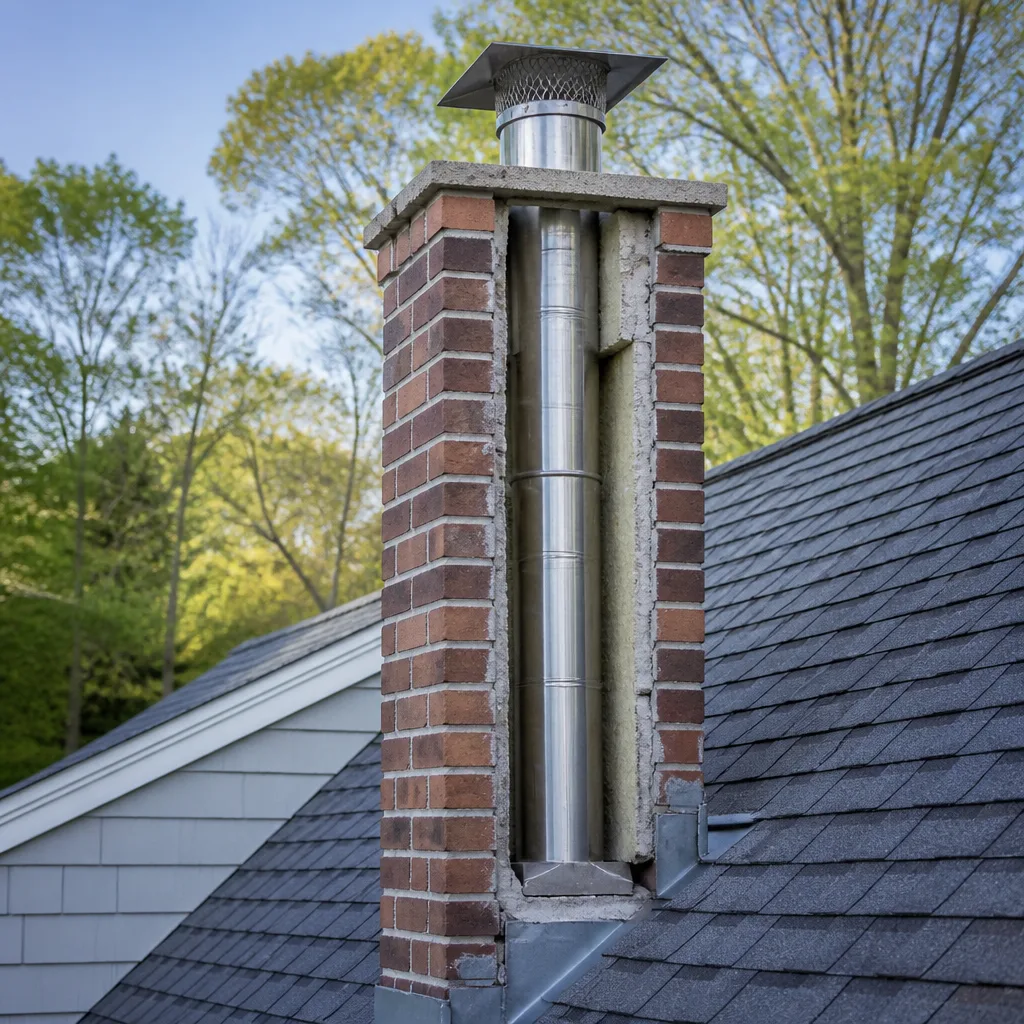 Flue relining
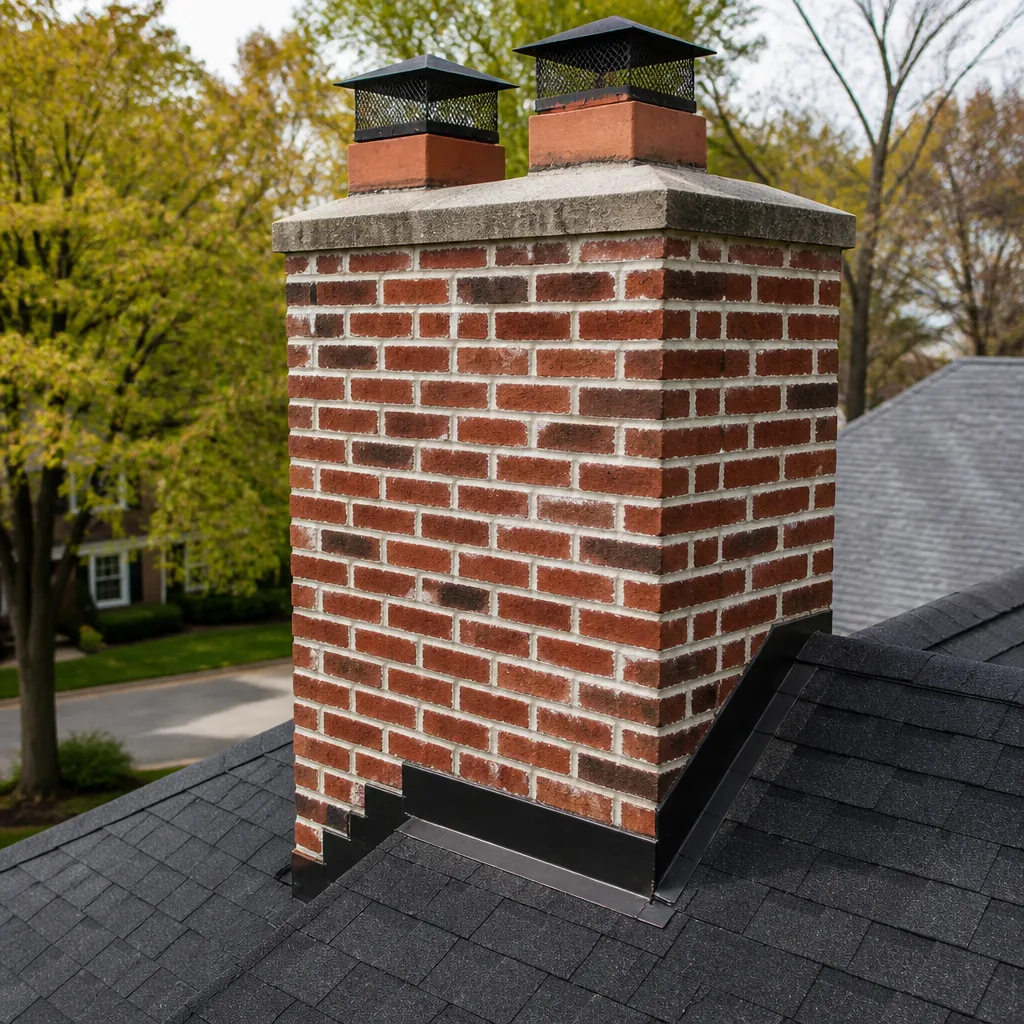 Masonry repair
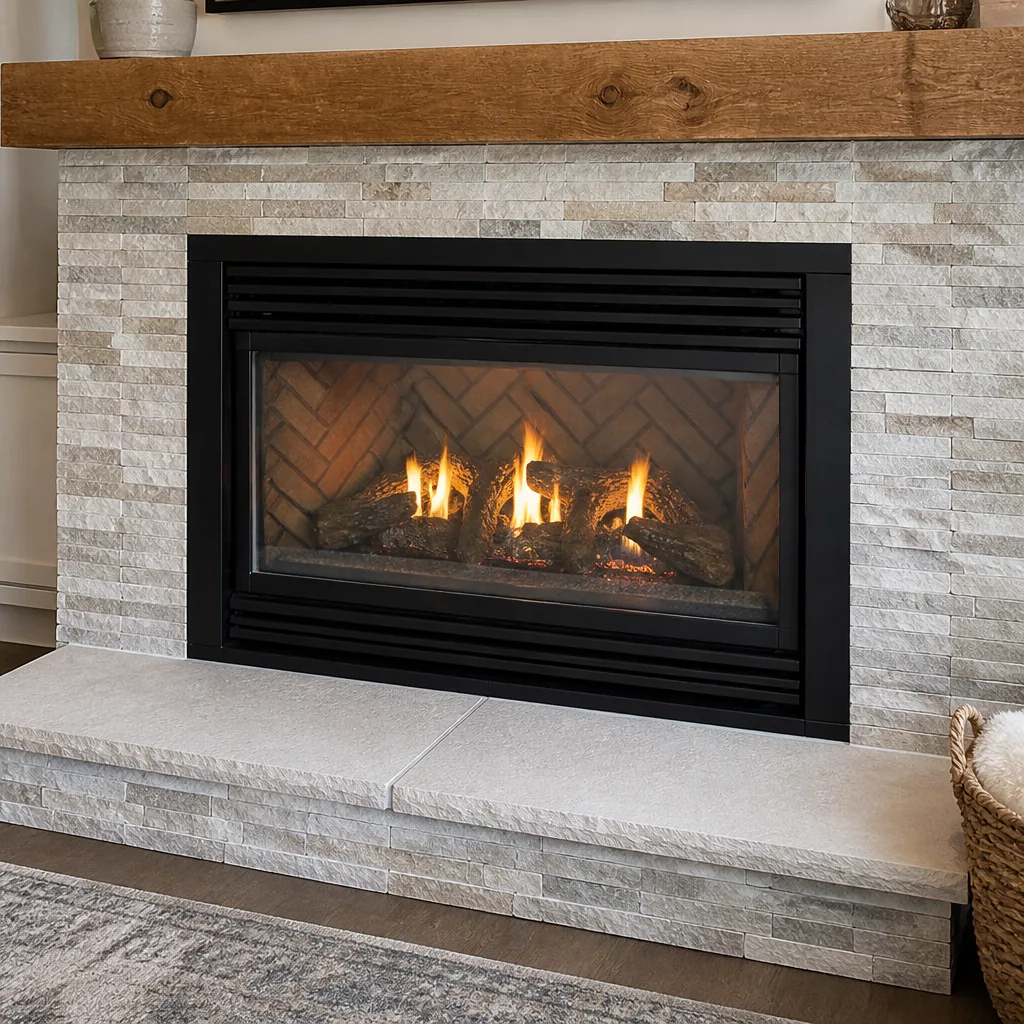 Gas fireplace service
Level 1 sweep and inspection to the NFPA 211 annual standard - flue, crown, cap, and flashing checked and photographed
Chimney sweep logs do not sweep chimneys. They loosen some creosote - which then falls where a brush and vacuum still have to collect it.
Chimney Cleaning Emergency Preparedness Guide for Westchester Homes
In a chimney fire, the instinct to open the damper for “more air” is exactly backward. More oxygen feeds the fire in the flue instead of putting it out, and homeowners who know that in advance are the ones who limit the damage. This guide covers what to do, in order, when something goes wrong with your chimney: the correct response to an active fire, the carbon monoxide signals you need to recognize before a sensor ever sounds, and the pre-emergency conditions worth checking now. We’ve written it for Westchester homeowners with a working fireplace or fuel-burning appliance, and for anyone who wants a plan before they’re standing in front of a problem.
Quick Answer
If you suspect a chimney fire, get everyone out of the house, call 911, and close the fireplace doors or glass front. Do not open the damper. If there’s no active fire but you smell smoke indoors, feel sudden draft problems, or a carbon monoxide alarm sounds, leave and have the chimney inspected. Most chimney emergencies are preventable with an annual sweep, a close inspection, and knowing the warning signs before they escalate.
Styles & brands we work with
- Sweep & inspection
- Caps & crowns
- Flue relining
- Masonry repair
- Gas fireplace service
Table of Contents
- Why Chimney Emergencies Catch Westchester Homeowners Off Guard
- What to Do in an Active Chimney Fire: Step by Step
- When to Call 911 vs. When to Call a Sweep
- Carbon Monoxide and Chimney Backdraft: The Signs That Come Before the Alarm
- What a Post-Fire Inspection Must Cover Before You Use the Fireplace Again
- Pre-Fire-Season Checks That Eliminate the Most Common Emergencies
- How to Tell if Your Chimney Is in a Pre-Emergency Condition
- Building a Written Chimney Emergency Plan for Your Household
Why Chimney Emergencies Catch Westchester Homeowners Off Guard
Most chimney problems announce themselves quietly, weeks or months before anything dramatic happens. A little more smoke into the room than last year. A creosote smell that lingers after the fire is out. A flue that’s slower to draw on cool mornings. These are the signals a chimney gives before it becomes an emergency, and most homeowners don’t recognize them until something forces the issue.
Westchester is an older housing stock with a lot of masonry chimneys, and that matters here. Masonry flues age in ways metal ones don’t. Mortar joints soften, flue tiles crack from thermal stress, and creosote builds in layers that harden over time. The smoky, cool, humid winters of this coastal Southern California climate mean chimneys often sit idle for months, then get used heavily for a few weeks in December and January. That start-and-stop usage is a common factor in creosote accumulation because the chimney never fully warms and dries between fires.
The gap between “something’s off” and “this is an emergency” is where a plan pays off. Three things close that gap:
- An annual inspection that catches flue cracks, joint deterioration, and creosote levels before they become hazards.
- A regular chimney sweep that removes the fuel load rather than letting it accumulate.
- A written household plan for what to do if a fire does happen, rehearsed once and kept somewhere everyone can find it.
We hear the same thing from most of the homeowners we work with in Westchester: not knowing where to start, then waiting until a smell or a draft problem forces a call. The plan below is what we’d want our own families to have.
What to Do in an Active Chimney Fire: Step by Step
A chimney fire can be loud or quiet. The loud version makes a roaring sound like a freight train and may shoot flame or sparks from the top. The quiet version doesn’t roar at all; it smolders inside the flue with a hot, dense burn that can crack tiles and warp a metal liner before anyone notices. Both are emergencies, and both get the same response.
Here is the sequence, in order:
- Get everyone out of the house. No gathering belongings. No investigating. Move people and pets to the yard, the sidewalk, or a neighbor’s porch.
- Call 911. Tell the dispatcher it’s a chimney fire, state the address, and stay on the line until they release you.
- Close the fireplace doors or glass front if you can do it safely. Restricting air slows the burn. If the doors are open and you’re already outside, don’t go back in to close them.
- Do not open the damper. This is the counterintuitive part. Opening the damper feeds oxygen straight up the flue and accelerates the fire. Leave it where it is.
- Do not put water on the fire. Water on a hot firebox or flue can crack masonry and throw steam and debris.
- Do not close the damper either. Fully closing it can trap combustion gases and smoke in the living space. Leave the damper as it was set.
- Wait for the fire department. They’ll confirm the fire is out and check for extension into the structure. Do not re-enter until they clear the building.
- Do not use the fireplace again until a professional inspection confirms it’s safe. Even a small fire can crack tiles or damage a liner in ways you can’t see.
If you have a fire extinguisher rated for the fire and the fireplace is small and contained, some fire departments advise a chimney-fire-specific extinguisher or a bucket of sand at the firebox, but the priority is getting out and calling 911. The fire department determines whether the fire is out.
After the fire department has cleared the house, the next call is to a chimney specialist for a full inspection. We answer the phone 24/7, and we book post-fire inspections into the next opening, Sunday through Friday, 7am to 7pm.
When to Call 911 vs. When to Call a Sweep
The rule of thumb: 911 for an active fire or a life-safety event, a sweep for everything else. In practice, homeowners can blur the line, especially when a fire seems “small” or “already out.” Here’s how to sort it.
Call 911 if:
- You see flame, sparks, or heavy smoke from the top of the chimney.
- You hear a roaring sound in the flue or feel intense heat radiating from the chimney.
- Smoke is filling the room and won’t clear with the damper open.
- A carbon monoxide alarm is sounding, or anyone in the house has symptoms that could be CO exposure.
- You’re not sure. The fire department would rather check a false alarm than respond to a house fire later.
Call a chimney sweep if:
- You smell a strong creosote odor after the fire is out.
- The flue is slow to draw, or smoke rolls into the room when you first light a fire.
- You’ve had a chimney fire in the past and never had it inspected afterward.
- You notice visible cracks, missing mortar, or damage to the chimney exterior.
- You’re due for an annual sweep or inspection and haven’t had one this year.
One clarification worth making: Westchester has a cool, marine-influenced climate, and cool outside air can overpower a chimney that hasn’t warmed up yet. A cold flue doesn’t draw well, so smoke sometimes backs into the room on the first fire of the season. That’s a draft problem, not an emergency, but it’s worth having the chimney checked before you dismiss it as normal. If a slow draw keeps happening, something else is usually going on.
Carbon Monoxide and Chimney Backdraft: The Signs That Come Before the Alarm
Carbon monoxide is the emergency with the least warning. It has no color, no smell, and no taste, so the only signals you get are the ones your body and your equipment send. For chimney-equipped homes, backdraft is the most common way CO gets into the living space. Backdraft happens when the chimney draws air the wrong direction, pulling combustion gases from the appliance back into the house instead of up and out.
In our experience, backdraft situations tend to build through these patterns:
- Smoke rolling into the room when a fire is lit, especially in the first few minutes. The fire hasn’t established draft yet, and a cold or partially blocked flue makes it worse.
- Soot streaks or dark smudges around the fireplace opening or the appliance draft hood, which usually mean gases have been escaping sideways.
- A “cold” fire that won’t stay lit, or a furnace or water heater that keeps shutting off on its safety switch.
- Condensation on windows or a stale, oily smell in the room when a fuel-burning appliance is running.
- Headaches, dizziness, nausea, or fatigue that clear when you leave the house and return when you come back. This is the point at which you leave and call 911 or the gas utility, not a sweep.
Install carbon monoxide alarms on every level of the home and near sleeping areas, and test them twice a year. Replace the batteries when you change your clocks. Sensors don’t catch every exposure before symptoms start, so knowing the signs yourself matters as much as the alarm.
If a CO alarm sounds, get everyone outside, call 911, and do not reenter. Once the fire department has cleared the home, a professional chimney inspection is what identifies the source and confirms the fix. A compromised flue, a blocked chimney, or a draft problem all need to be found before the appliance runs again.
What a Post-Fire Inspection Must Cover Before You Use the Fireplace Again
After a chimney fire, “it looks fine” means nothing. The damage from a chimney fire happens inside the flue, and the parts that fail first are the ones you can’t see from the hearth. A post-fire inspection has one purpose: confirm the chimney can safely vent combustion gases and heat again.
Here’s what a complete post-fire inspection needs to cover:
- Visual inspection of the firebox and smoke chamber. Cracks in firebox masonry, warped dampers, and damaged smoke shelf are common post-fire findings.
- Video scan of the flue interior. A camera run through the full flue length identifies cracked tiles, gaps in the joints, missing mortar, and damage to a metal liner that a visual check from the firebox would miss.
- Creosote assessment. Chimney fires don’t always burn off all the creosote. What’s left behind may be glazed and hardened, which changes how it needs to be removed.
- Exterior inspection of the chimney structure. Heat can crack the crown, loosen mortar at the top of the stack, and damage the cap or spark arrestor.
- Liner integrity confirmation. If there’s a stainless liner, it needs inspection for warping or seam separation. If the flue is unlined or clay-tiled, the tiles need checking for cracks and separation.
- Written photo report. This is the document your insurance company will want if you file a claim.
Most homeowner policies cover sudden damage from a chimney fire, but almost all of them require documentation of the damage, the cause, and the recommended repair. Photos taken through a video scan, notes on which tiles cracked, and a clear written scope are what adjusters use. Without that record, claims tend to stall or get denied. We include a camera inspection and a photo report with every post-fire inspection for exactly this reason, and we send it to you so you can hand it to your insurer.
The other post-fire question homeowners ask is whether the whole chimney needs to be relined. Sometimes it does. Sometimes a HeatShield flue resurfacing addresses deteriorated tiles without a full liner replacement. The answer depends on the actual state of the flue, and you should be able to see the evidence before you agree to any repair.
Pre-Fire-Season Checks That Eliminate the Most Common Emergencies
Most chimney emergencies start as conditions that were checked and skipped, or never checked at all. The weeks before your first fire of the season are when those conditions are cheapest and easiest to address. Here’s what to check each year before burning season, and before the first cool night you light a fire.
- Book the annual sweep and inspection. A camera inspection and a proper sweep remove the creosote load and catch damage before it becomes a hazard. Book this early in the season rather than waiting for the first cold snap, when every chimney in Westchester is on the schedule.
- Check the chimney cap. Caps keep out rain, birds, squirrels, and debris. A missing or damaged cap is the leading cause of chimney water damage. If yours is loose, cracked, or gone, that’s a repair that shouldn’t wait.
- Look at the crown. The crown is the concrete or masonry top of the chimney that sheds water away from the flue. Cracks in the crown let water into the masonry, and over time that damages the structure. A little crack is a cheap repair now; a failed crown usually isn’t.
- Test carbon monoxide alarms. Battery test, sensor test, replace batteries. If any alarm is over its manufacturer’s lifespan, replace the whole unit.
- Confirm the damper opens and closes fully. A sticky or stuck damper affects draft and can be a sign of warping, corrosion, or debris in the flue.
- Have the firebox and hearth inspected. Cracks in the firebox brick, missing mortar joints inside the firebox, and gaps between the firebox and the hearth can all let heat or embers get behind the masonry.
- Test the draft when the chimney is cold. Before you light the first fire, hold a piece of newspaper or a lit match near the open damper and watch which way the smoke moves. If it doesn’t pull up, that’s a draft problem worth investigating before you load the firebox.
These seven items cover most of what turns into an emergency call later. If any of them surfaces something you can’t identify or fix yourself, the next step is a professional inspection. Safety-critical components of a chimney, including the flue, the liner, and the firebox, are not a place for weekend DIY, and a trained technician should be the one to check them.
How to Tell if Your Chimney Is in a Pre-Emergency Condition
A pre-emergency condition is a state that hasn’t caused a fire or a CO event yet, but will if left alone. Here are the ones we look for, and the ones you can spot from inside the house or from a walk around the exterior.
Inside the firebox and smoke chamber:
- Glazed, shiny, or hardened creosote buildup in the flue (visible through a camera or from the damper). This is the fuel load that chimney fires feed on.
- White or crumbly residue on firebox brick (efflorescence), which can signal water moving through masonry.
- Cracks in the firebox brick or mortar joints that let heat and gases past the firebox wall.
- A damper that doesn’t seat correctly, or a smoke shelf packed with soot and debris.
- A persistent smoky smell in the room when the fireplace is not in use.
From outside, at ground level:
- A cap that’s damaged, missing, or visibly loose on the flue.
- A crown with visible cracks, missing pieces, or a tilted top.
- Spalling or crumbling brick on the chimney exterior, which usually means water has been getting in.
- Visible rust streaks on a metal chimney chase, or dark soot streaks on the exterior masonry.
- Foliage in contact with the chimney, or a flue opening visible from the ground because the cap is gone.
Each of these is a signal, not a verdict. One cracked tile is not the same as a failed flue. The right response is a professional inspection that shows you the evidence and tells you what, if anything, needs to be done now, and what can safely wait. We’d rather tell a homeowner that their chimney is fine than sell work they don’t need. The Westchester Chimney Sweep Pros team works on exactly these conditions year-round in Westchester, and we’ll tell you what your chimney actually needs, and what it doesn’t.
If the inspection turns up damaged masonry at the top of the stack or a failing chimney cap & crown, that’s repair work that should happen before winter rain gets into it. If the firebox or damper needs attention, fireplace repair keeps the whole system in service rather than pulling it off the wall.
Building a Written Chimney Emergency Plan for Your Household
A chimney emergency plan is short enough to fit on an index card and useful enough to keep on the fridge. The point is that everyone in the house knows the same steps, and nobody has to think them up while the alarm is sounding.
What goes in the plan:
- Two ways out of the main living areas. Check that windows open, doors aren’t blocked, and pets can be carried.
- The chimney-fire sequence in plain language. Get out. Call 911. Don’t open the damper. Don’t use water. Don’t reenter until the fire department clears the building.
- Where the CO alarms are and what they sound like. Test them together as a household so everyone recognizes the tone.
- The gas shutoff location for the gas appliance connected to the chimney.
- Two phone numbers: 911, and a chimney specialist who knows the system. That’s (866) 490-9807 for us. We answer 24/7, and a call outside dispatch hours is booked into the next opening, Sunday through Friday, 7am to 7pm.
- A note about the damper. Label it if anyone in the household might be the one to reach for it. The counterintuitive part is the part to write down.
Once a year, before the first fire of the season, walk through the plan as a household. It takes ten minutes. Then check the chimney itself: sweep, inspection, cap, crown, and alarms. That’s the whole plan, and it covers the situations that actually turn into emergencies.
Common Mistakes to Avoid
- Opening the damper during a chimney fire. This is the most common wrong move. It feeds the fire oxygen and turns a contained burn into a runaway one. Leave the damper alone and get out.
- Using water on a hot firebox. Cold water on a hot liner or firebox can crack masonry and send steam and debris back at you. Water is not the tool for a chimney fire.
- Skipping the annual sweep because the fire “looked clean” last year. Creosote accumulates whether or not you notice it, and a few months of cool, humid Westchester weather between fire seasons is enough to build a load that a visual check from the hearth won’t catch.
- Treating a smoky first fire as normal. A cold flue draws poorly, but a flue that keeps rolling smoke into the room after it should be warm is a draft problem, not a seasonal one.
- Hiring a generalist handyman to look at the chimney. Chimney work involves trade-specific materials and techniques. A generalist may not recognize a failing HeatShield surface, a warped DuraFlex liner, or a cracked flue tile in the first place. That’s why we stock and are trained on professional product lines like DuraFlex, HeatShield, Gelco, and Olympia Chimney, and work on chimney systems specifically.
- Reusing the fireplace after a fire without an inspection. A chimney fire that “went out on its own” can leave a cracked tile, a warped liner, or a damaged crown that will fail on the next burn. Get it inspected before you use it again.
- Not keeping the inspection report. If you need to file an insurance claim, the photo report and written scope from the inspection are what adjusters work from. Don’t leave them on the kitchen counter; scan them and keep a copy.
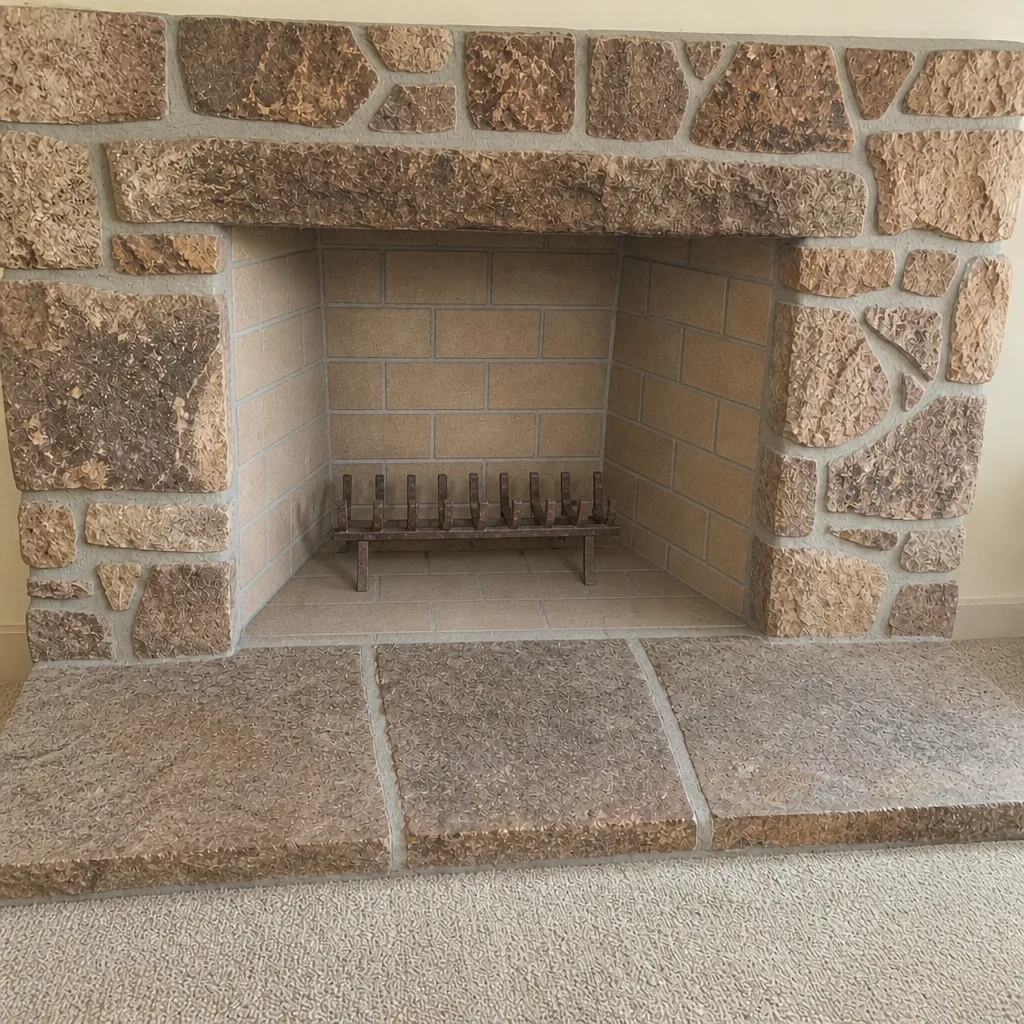
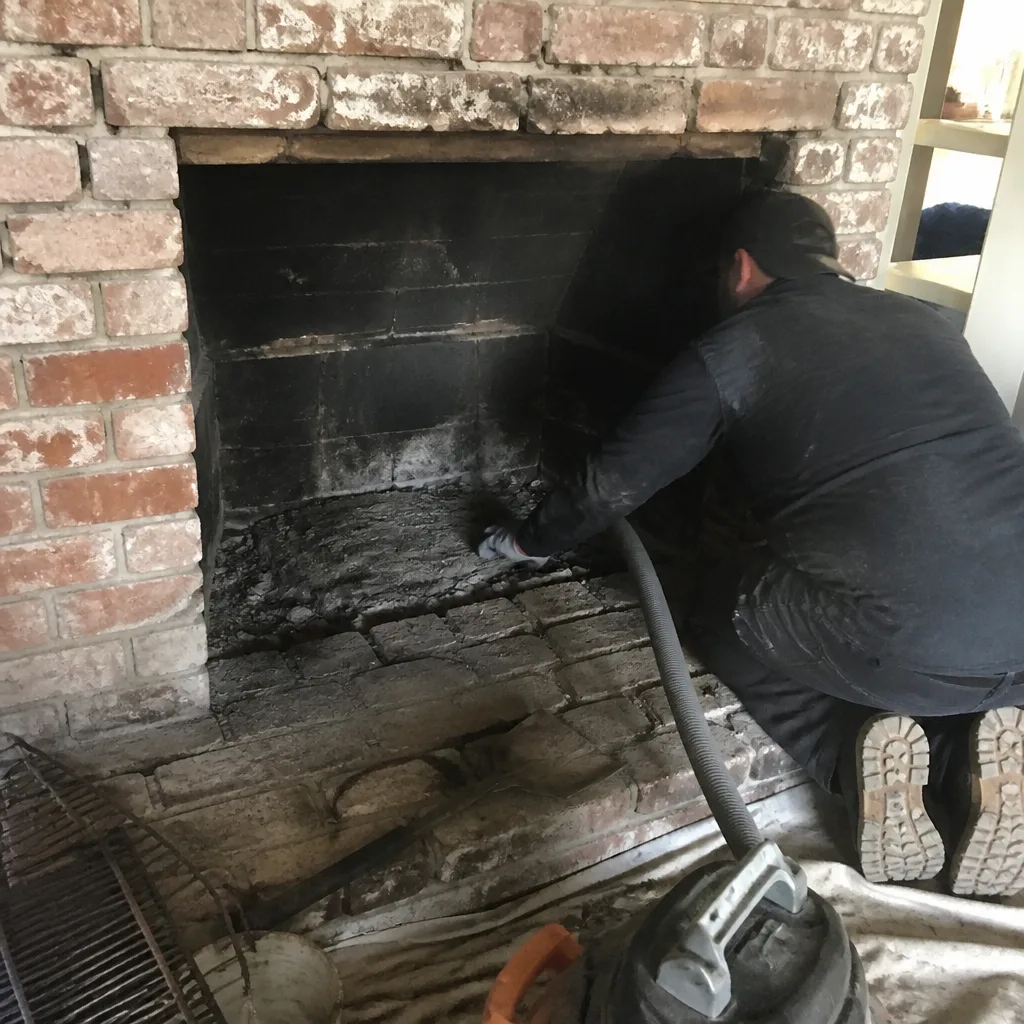
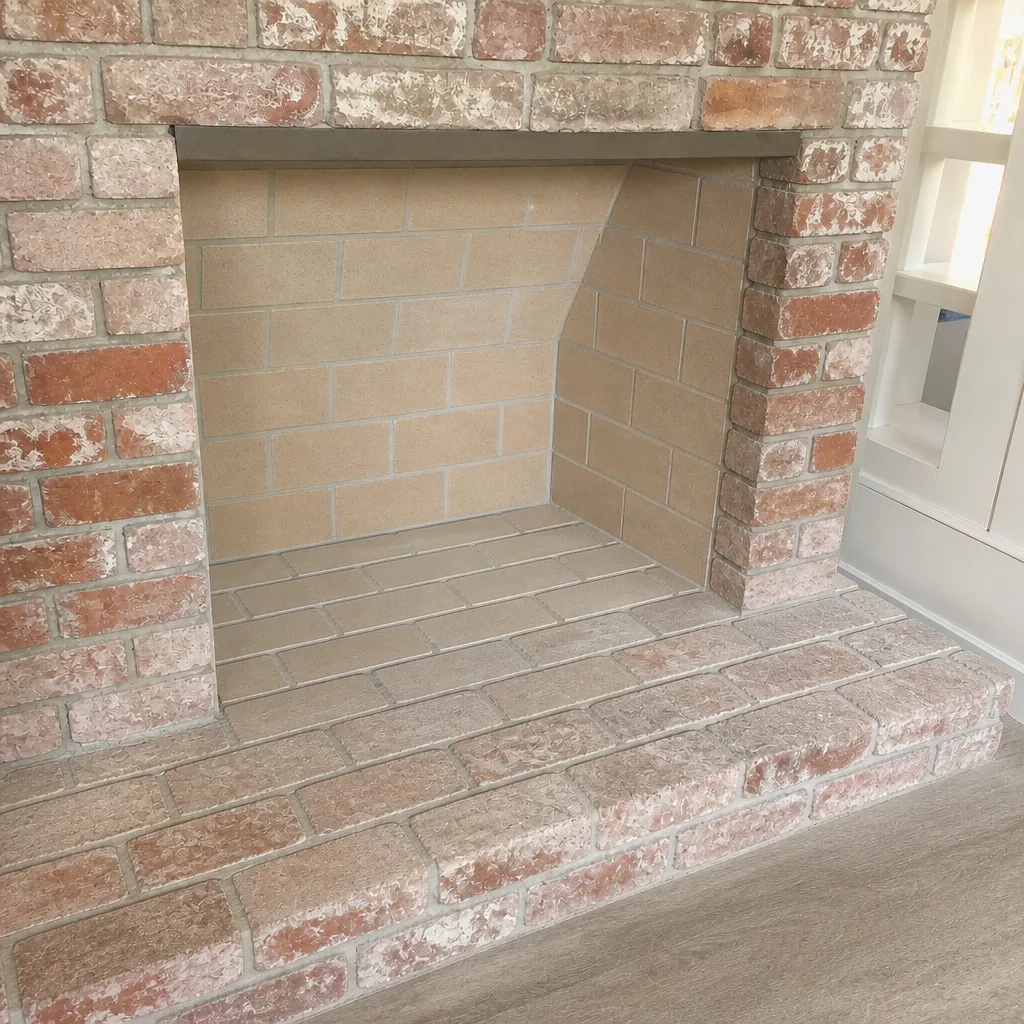
See the difference
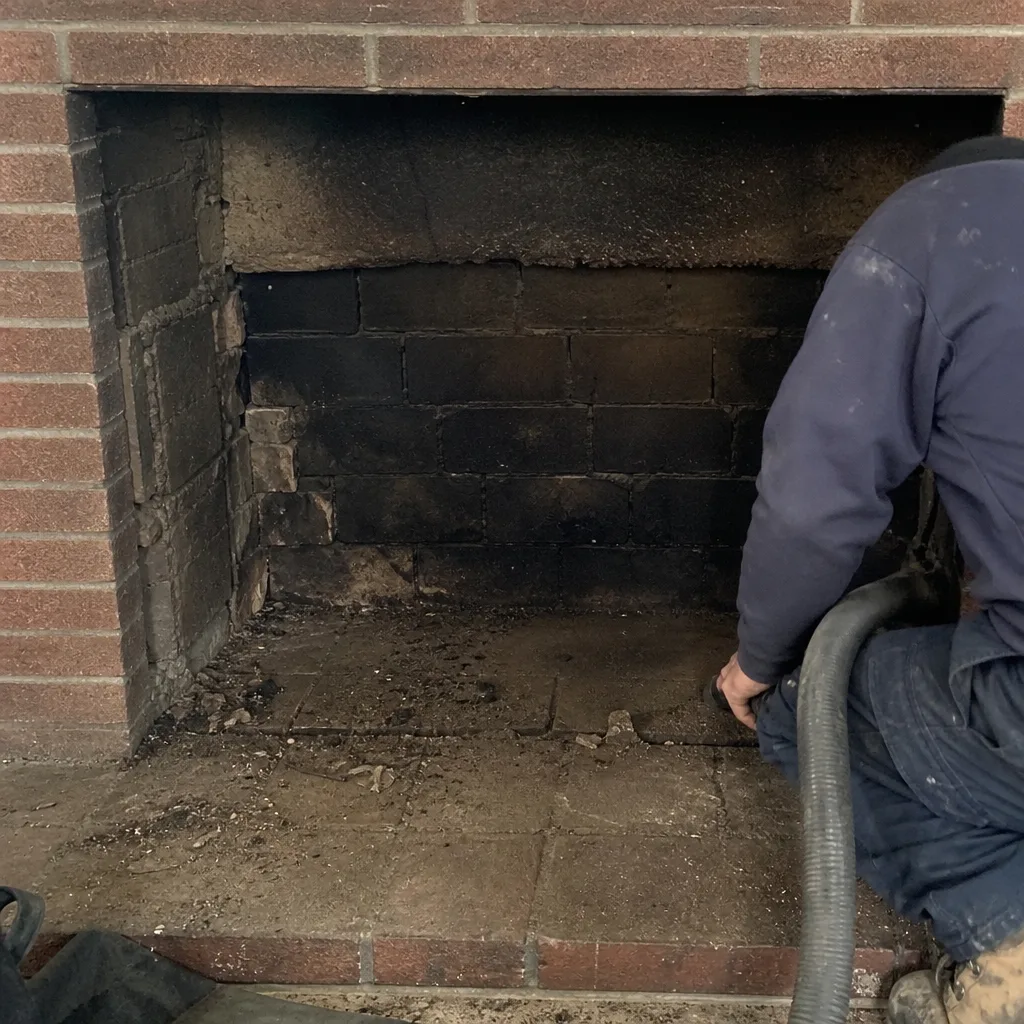 Before
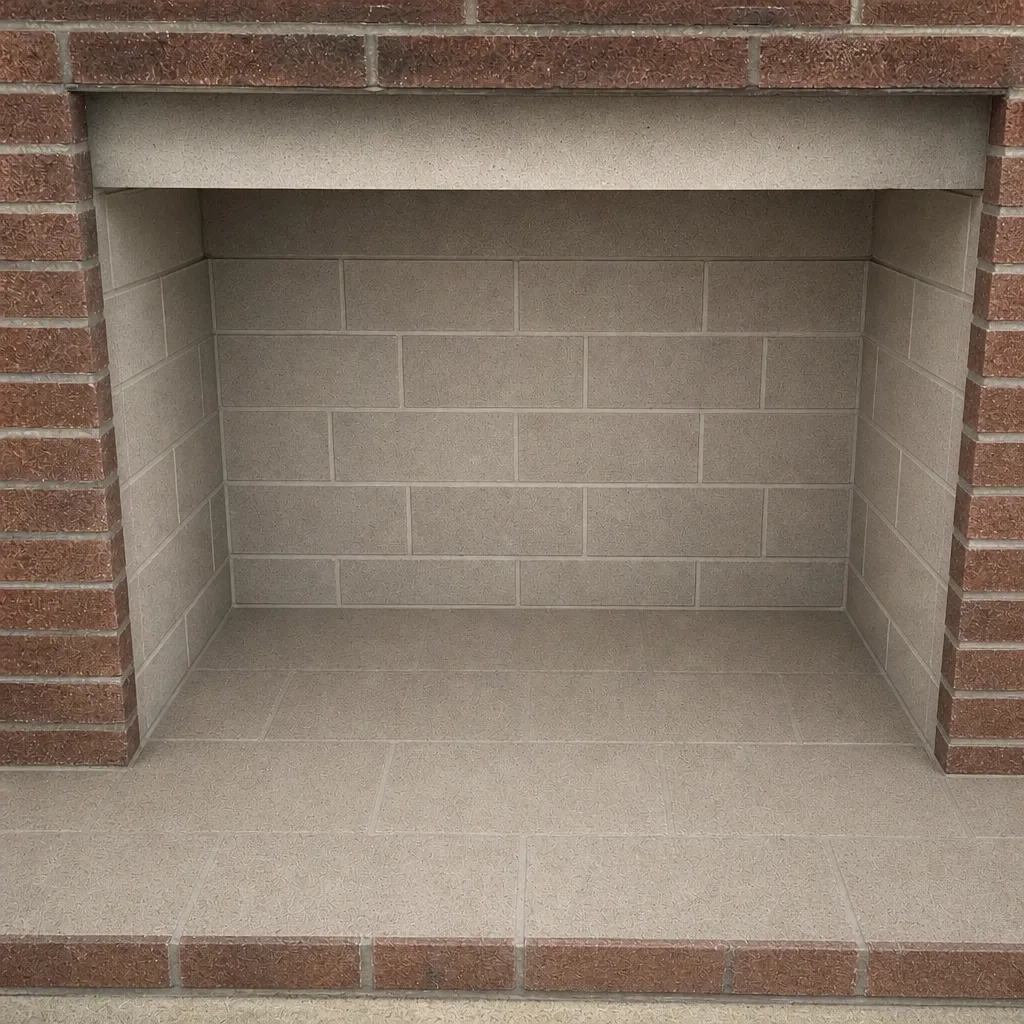 After
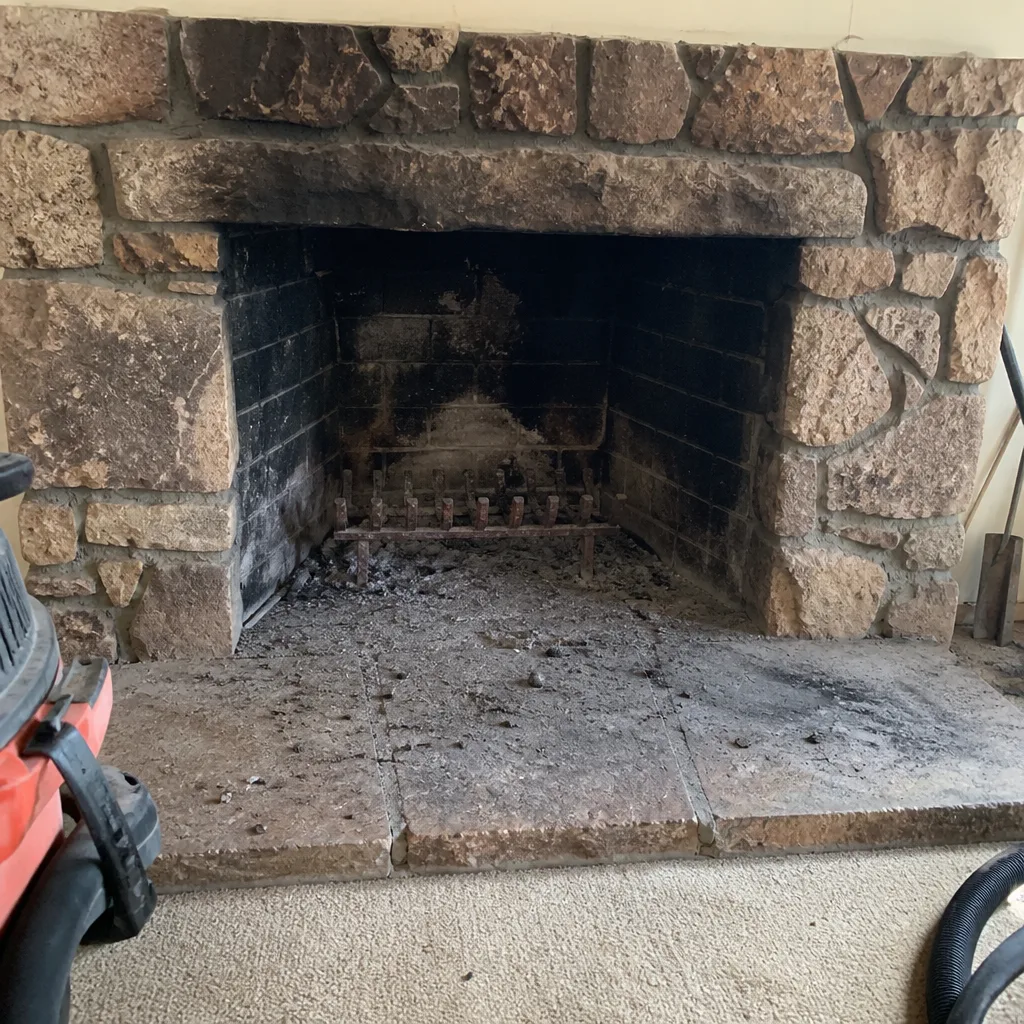 Before
 After
 Before
 After
When to Call a Professional
Call a professional chimney specialist for the annual sweep and inspection, any post-fire inspection, and anything that involves the flue liner, the crown, the cap, or a structural repair. Call us in Westchester if you’re not sure which category you’re in, and we’ll tell you whether the problem is urgent or can safely wait. Chimney systems are heat, water, and combustion gas in the same assembly. The stakes of an incorrect fix are high, and the flue is not a component to experiment on. Our technicians have up to 15 years of experience, and we use the same materials chimney engineers specify rather than hardware-store alternatives. Westchester Chimney Sweep Pros offers free estimates in Westchester. Call (866) 490-9807. We answer 24/7. Fast dispatch from 7am to 7pm, Sunday through Friday.
Frequently Asked Questions
Get everyone out of the house and call 911 before anything else. Close the fireplace doors or glass front if you can do so safely, but do not open the damper and do not put water on the fire. Once the fire department clears the building, call a chimney specialist for a full inspection before using the fireplace again.
No. Opening the damper feeds oxygen into the flue and makes the fire worse. The correct response is to leave the damper where it is, close the fireplace doors, get the household outside, and call 911. It’s counterintuitive, which is exactly why the plan should be written down before you need it.
Once a year for most homes with an active fireplace, and more often if the fireplace is used heavily or if the wood being burned is green or high-moisture. Westchester chimneys also benefit from an annual inspection in the same visit to catch creosote buildup and any damage from seasonal use. Book the sweep before burning season so the work happens before the first cold night. Call (866) 490-9807 for an exact quote, and estimates are free.
Pricing for a chimney sweep depends on the chimney and the work needed, and we set the exact price in a written estimate before any work starts. The estimate is free, and the written scope is what fixes the final price. Call (866) 490-9807 for an exact quote for your chimney.
They’re more common than most homeowners expect, especially when a chimney has draft problems or a damaged flue. Watch for smoke rolling into the room, soot streaks near the fireplace or appliance draft hood, and symptoms like headaches or dizziness that clear when you leave the house. If a CO alarm sounds, get out and call 911. Once the home is cleared, a professional chimney inspection identifies the source. Call (866) 490-9807 to schedule that inspection.
Not always. Whether a liner needs replacing depends on the condition of the flue inside, which is why a post-fire inspection includes a full video scan. In some cases a HeatShield flue resurfacing addresses deteriorated tiles without a full liner replacement; in others, a new DuraFlex liner is the right fix for a gas, oil, or wood appliance. You should see the camera evidence before agreeing to any scope of work. Call (866) 490-9807 to book the inspection, and estimates are free.
Creosote builds up in the flue whether or not you notice it. A thick enough layer is fuel, and the next hot fire can ignite it. Skipping the sweep also means skipping the inspection, which is where cracked tiles, failing crowns, and damaged liners get caught before they cause a fire, a CO exposure, or a water intrusion. Call (866) 490-9807 to get on the schedule before the season starts.
The Bottom Line
Chimney emergencies are almost always preventable, and the ones that happen are survivable when the household knows what to do. The core of the plan: sweep and inspect before every fire season, check the cap and the crown, test the CO alarms, and remember that in a chimney fire the right move is to get out, call 911, and leave the damper alone. If you’re in Westchester and you’d rather have a specialist confirm your chimney is in good shape, that’s what we do. We’ll tell you what your chimney actually needs, and what it doesn’t. Call Westchester Chimney Sweep Pros at (866) 490-9807 for a free estimate and an honest read on the system you’re relying on. We answer 24/7, and fast dispatch runs from 7am to 7pm, Sunday through Friday.
Written by the team at Westchester Chimney Sweep Pros.