
Last updated November 22, 2026
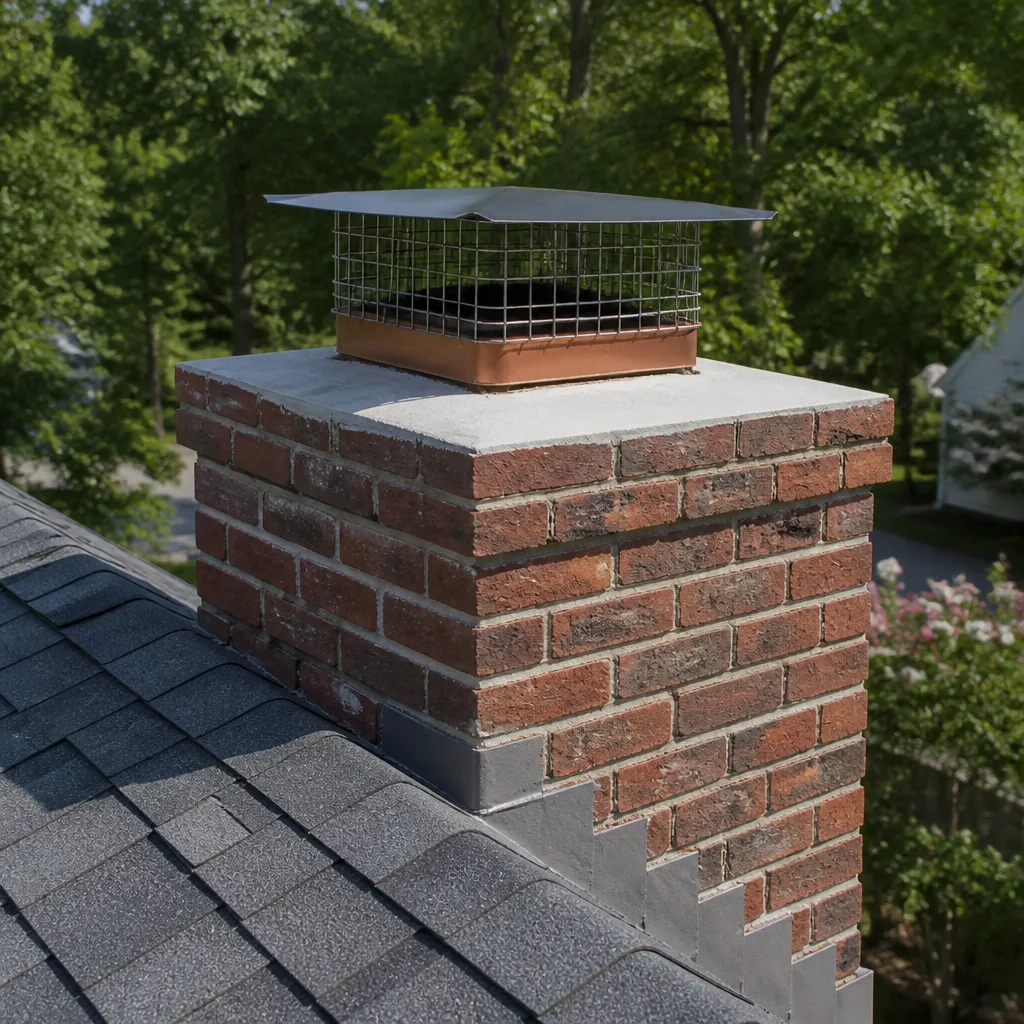 Sweep & inspection
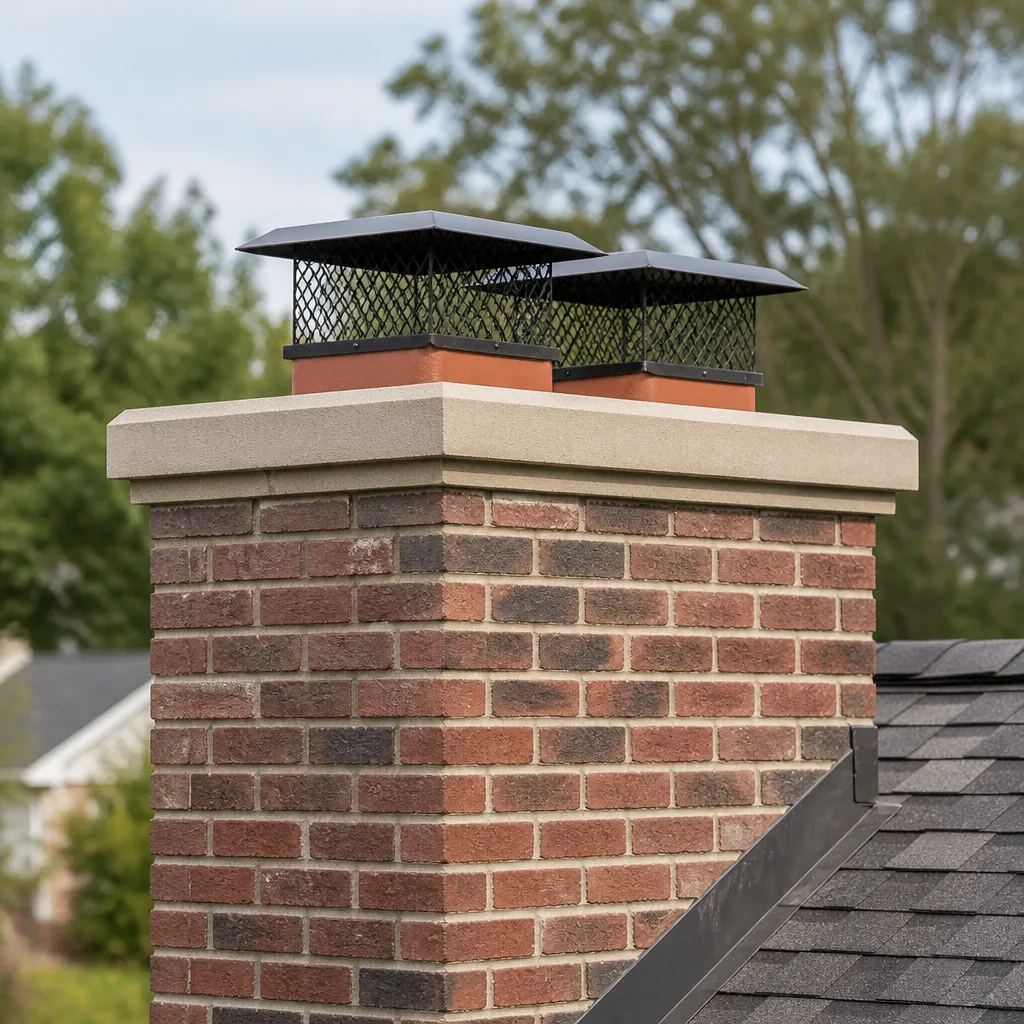 Caps & crowns
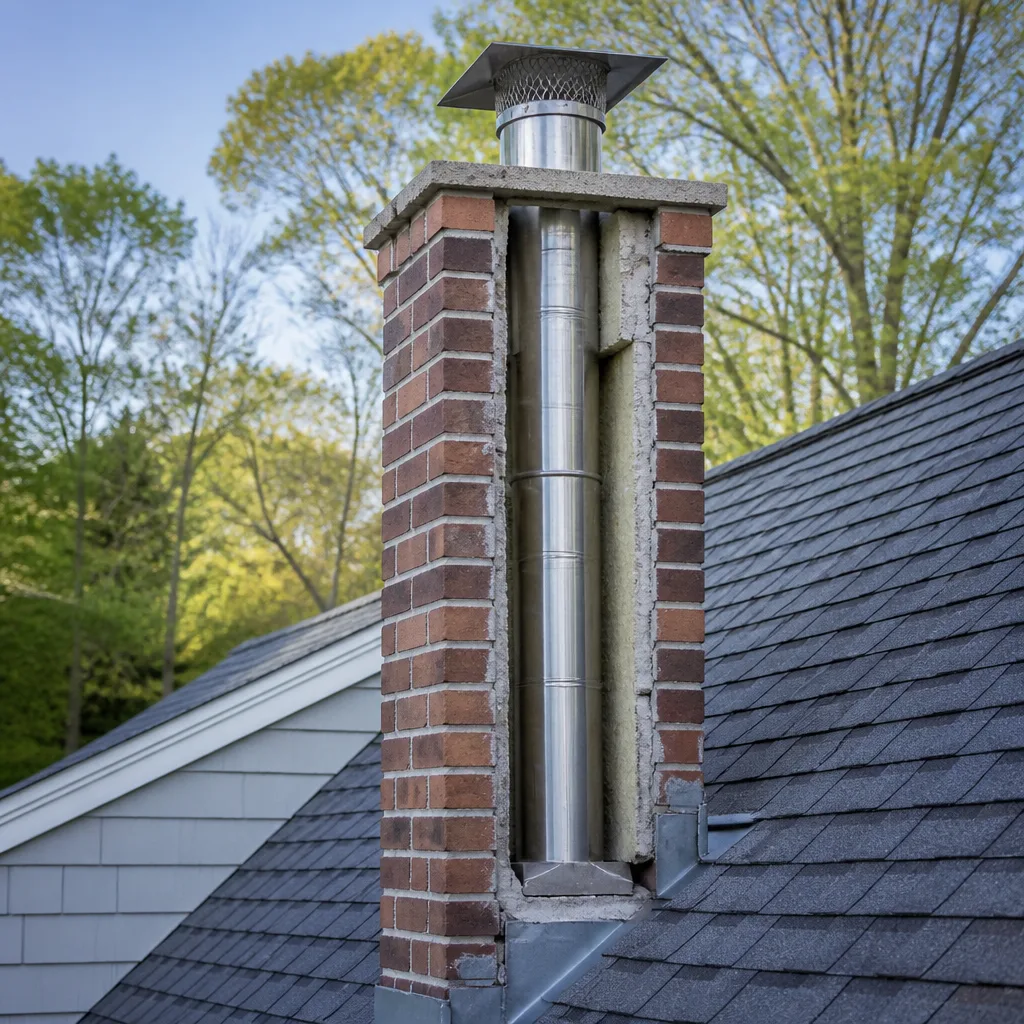 Flue relining
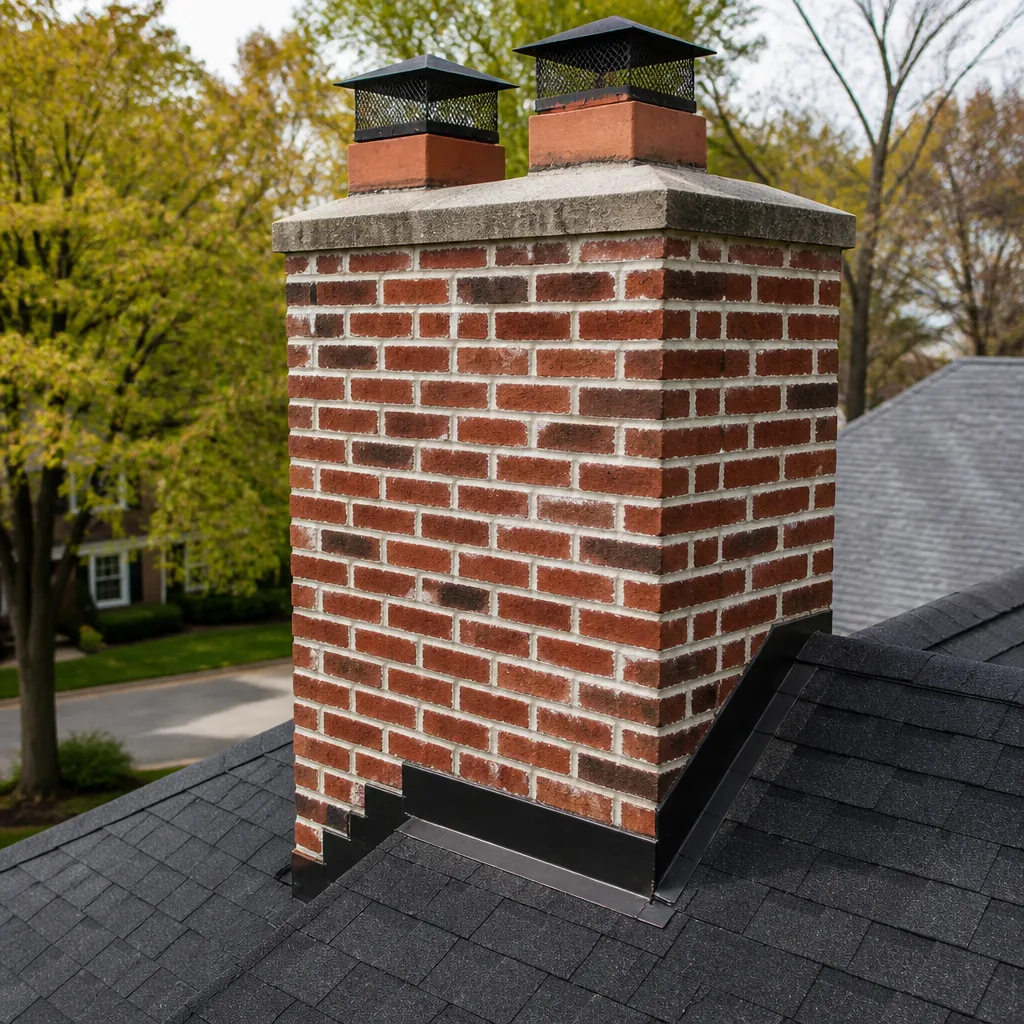 Masonry repair
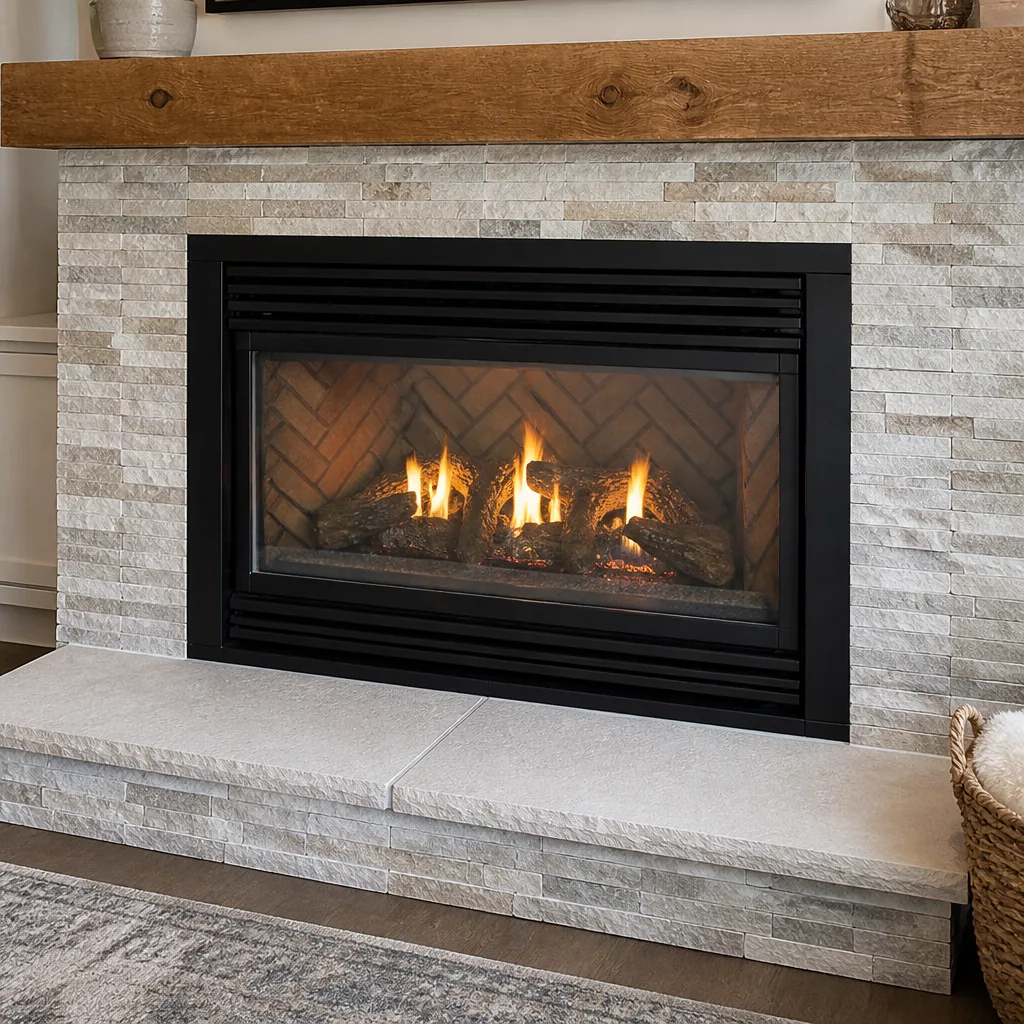 Gas fireplace service
Level 1 sweep and inspection to the NFPA 211 annual standard - flue, crown, cap, and flashing checked and photographed
Chimney sweep logs do not sweep chimneys. They loosen some creosote - which then falls where a brush and vacuum still have to collect it.
Chimney Sweep Maintenance Checklist for Westchester Homeowners
Most chimney maintenance checklists you find online were written for a house in Ohio, where the fireplace burns wood from October to April and the flue sees hundreds of hours of fire a year. Run that schedule in Westchester, where a fireplace might see a dozen fires between the first cool evening and the last, and you’ll spend money on sweeps you don’t need while missing the problems that actually show up in a mild coastal climate: sun-baked masonry, corroded dampers, and slow water intrusion. The checklist below is calibrated to low-to-moderate use. It separates what you can safely check yourself from what needs a trained eye and a chimney camera, and it shows you how to track your chimney’s condition year over year so a small crack doesn’t quietly turn into a rebuild. This guide walks a Westchester homeowner through a full maintenance cycle, season by season.
Quick Answer
A low-use Westchester chimney generally needs a professional sweep and inspection once a year, timed in late summer or early fall before the first fire, plus a light homeowner check of the exterior, damper, and firebox a couple of times a year. Because Westchester’s climate is mild and many fireplaces run only a dozen or so times a season, the annual visit is less about creosote volume and more about catching water damage, flashing failures, and masonry deterioration early. The checklist below separates safe self-checks from the work that requires training and proper tools.
Styles & brands we work with
- Sweep & inspection
- Caps & crowns
- Flue relining
- Masonry repair
- Gas fireplace service
Table of Contents
- Why a Westchester Chimney Needs Its Own Checklist
- Pre-Season Checklist: Before the First Fire
- Post-Season Checklist: What to Do After the Last Burn
- Exterior Masonry: Sun, Salt Air, and the Slow Damage
- Damper, Smoke Shelf, and Firebox: The Missed Items
- Self-Check vs. Professional: Where the Line Sits
- How to Document Your Chimney Year Over Year
- How Often Should a Westchester Chimney Be Swept?
Why a Westchester Chimney Needs Its Own Checklist
The core idea is simple. Chimney maintenance is calibrated to use and climate, and Westchester’s climate and use pattern don’t match the national template. A cold-climate homeowner might burn a cord or more of wood in a season; here, a fireplace often runs on cool evenings and through the occasional chilly stretch, maybe a dozen fires a year for many households. That changes what the checklist should emphasize.
When a chimney burns heavily, creosote buildup is the headline concern, and the sweep schedule tightens. When a chimney burns lightly, the creosote load is usually modest, and the real threat comes from the outside. In a mild, coastal Southern California environment like Westchester, year-round sun exposure and salt air from the nearby ocean quietly work on the masonry, mortar joints, and metal components. Those forces act every day of the year, not just during burn season. So a checklist tuned for this location puts more weight on the exterior and the hardware than a cold-weather checklist would.
There’s a second Westchester-specific factor: rain, not snow. Our wet season arrives in the cooler months, and the chimney’s cap and crown are the first line of defense against water intrusion. Water getting into a chimney is the leading cause of the kind of damage that eventually demands a rebuild. A checklist that ignores the cap and crown misses the most common pathway to expensive repairs. That’s why we treat chimney cap & crown work as a named part of the maintenance cycle, not an afterthought.
If you keep fires to a modest number each year and live close to the coast, this checklist applies to you directly. If you burn daily through winter, adjust toward a heavier sweep cadence and talk to us about what your use pattern demands.
Pre-Season Checklist: Before the First Fire
Timing matters here. The best window for a professional visit in Westchester is late summer into early fall, before the first fire of the season. A pre-season sweep and inspection means you start the burn season with a clean flue and a known-condition system, and if something needs repair you have time to schedule it instead of discovering it on a cold night when you want a fire.
Here’s what a pre-season pass covers:
- Professional flue sweep. Removes soot and any creosote so the flue is clear before the first burn. On a low-use chimney the volume is usually small, but the sweep also gives the technician a clean view for inspection.
- Full inspection with camera. A chimney camera shows the interior of the flue, the smoke chamber, and the firebox in a way no flashlight can. You should see the footage.
- Damper operation test. Open, close, and check that it seats properly and isn’t seized from months of disuse.
- Cap and crown review. Look for a cracked crown, a loose or missing cap, and any gap where water could get in.
- Exterior masonry look. Check mortar joints and the brickwork for cracks, spalling, or efflorescence (the white powdery deposits that signal moisture moving through masonry).
- Firebox and smoke chamber check. Confirm no loose bricks, cracked refractory panels, or gaps that could let combustion gases escape.
- Chimney-to-appliance connection. Make sure the flue connects correctly to the fireplace or appliance, with no gaps in the connector.
A pre-season visit is also your chance to ask questions while there’s no pressure to have a fire going. We’ll tell you what your chimney actually needs, and what it doesn’t, so you can plan repairs on your own schedule rather than reacting mid-season.
Post-Season Checklist: What to Do After the Last Burn
After the last fire of the season is when the chimney begins enduring months without heat moving through it. That’s not idle time for the chimney; it’s the stretch when moisture, sun, and salt air do their slow work. A short post-season check catches anything the burn season left behind and sets up the next pre-season visit.
Post-season items to handle:
- Note any soot or creosote patterns. If you noticed heavier buildup than usual, mention it when you book the next sweep. It tells us about how you’re burning.
- Close the damper and check the seal. A damper that stays open pulls air out of the house and lets humidity in. Confirm it closes fully.
- Clear the firebox of ash. Ash holds moisture. On a mild-climate chimney that sits unused for months, damp ash is the last thing you want against the metal grate.
- Walk the exterior. Look for new cracks, displaced brick, or rust streaks on metal components. A photo from the same angle each year helps you compare.
- Inspect the cap and crown again. Our wet season is the real test. If the crown has begun to crack, address it before the rains set in.
- Check the chimney for rust or corrosion. Metal components exposed to salt air and rain can corrode. A rusted damper or connector is a sign to look deeper.
The post-season pass is where a lot of Westchester homeowners get caught out: they think maintenance ends when the fires do. It’s actually the moment the chimney faces its most persistent threats. If you’re going to do one light self-check after the burn season, put your attention on the exterior and the damper.
Exterior Masonry: Sun, Salt Air, and the Slow Damage
For a Westchester chimney, the exterior is where the quiet damage happens. Two forces drive it: sun exposure and salt air from the coast. Neither is dramatic, and neither produces an obvious failure overnight. But over years they leave their mark, and the checklist has to look for them.
Sun exposure works on the masonry by heating and drying it repeatedly. That cycling can open small cracks in mortar joints, and once a joint opens, water has a way in. Salt air adds corrosion pressure on metal components and can leave deposits that hold moisture against the brick. In a mild climate these effects are gradual, which is exactly why they’re easy to miss without a deliberate check.
What to look at on the exterior:
- Mortar joints. Look for joints that are cracked, crumbling, or washed out. Healthy joints stay tight and uniform.
- Brick faces. Spalling, flaking, or brick faces that have started to peel are a sign of moisture working through the masonry.
- Efflorescence. The white, powdery bloom on brick signals moisture is moving through and drying out. A trace is not alarming; a recurring bloom is a prompt to investigate.
- Flashing. The metal where the chimney meets the roof is a common leak point. Check for lifted, rusted, or separated flashing.
- Cap and crown. The crown is the concrete top that sheds water; a cracked crown lets water straight into the flue. A missing or damaged cap leaves the flue open to rain and animals.
- Metal components. Rust streaks on the damper frame, the firebox, or the chimney cap are worth noting and addressing before they spread.
When the exterior shows problems, the fix depends on what we find. Cracked mortar joints may call for repointing. A failing crown may need to be replaced. A deteriorated flue interior might be a case for a professional-grade resurfacing material like HeatShield, which can restore damaged flue tiles without a full reline, or for a flexible liner system like DuraFlex if the damage runs deeper. The point is to address the cause, not just the visible symptom. We use the same materials chimney engineers specify, not hardware-store alternatives, because a repair that only looks right tends to fail on schedule.
Damper, Smoke Shelf, and Firebox: The Missed Items
The items inside the chimney get skipped on most generic checklists, and they’re often the ones that matter most in Westchester. The damper, the smoke shelf, and the firebox are the components most directly tied to how the fireplace runs and how safe it is to use, yet they’re not visible without opening things up and looking carefully.
The damper. The metal plate that seals the flue when you’re not burning. Over time it can warp, seize, or fail to seat. A damper that won’t close lets conditioned air and humidity into the house all year; one that won’t open properly can push smoke into the room. Test it by opening and closing it fully and checking the seal.
The smoke shelf. A ledge behind the damper that redirects smoke up the flue. Soot collects there, and in a low-use chimney it can sit for years. A swept flue that skips the smoke shelf leaves a shelf of soot that can affect draft. This is one of the reasons a proper sweep is more than running a brush straight up the flue.
The firebox. The interior chamber where the fire sits. Look for loose or cracked bricks, gaps in the mortar, and damage to any refractory panels. A firebox with gaps can let heat and combustion gases get into places they shouldn’t. Cracks in the firebox are a job for fireplace repair, not a homeowner fix, because the firebox is integral to how the whole system contains a fire safely.
The smoke chamber. The sloped area above the damper that funnels smoke into the flue. It’s awkward to reach and easy to neglect. Rough, soot-covered smoke chamber walls can slow draft and collect creosote. A camera inspection shows this area clearly, which is why we use one on every inspection.
These interior items are the ones most often missed by a quick “sweep and go.” If your maintenance visit didn’t look at the damper, smoke shelf, and firebox, it wasn’t a complete visit. That’s why our chimney sweep includes an inspection and a photo report, so you can see exactly what we saw.
Self-Check vs. Professional: Where the Line Sits
We respect a homeowner who wants to stay on top of their chimney. Some of this checklist is genuinely safe to do yourself. Some of it isn’t, and knowing which is which keeps you from doing damage or, worse, getting hurt. Here’s the line.
Safe to check yourself:
- Visual exterior inspection from the ground (cracks, spalling, efflorescence, rust streaks, flashing).
- Damper operation: open, close, check the seal.
- Firebox visual check for loose bricks or visible cracks.
- Cap and crown visual check for cracks or a missing cap.
- Photographing the exterior from the same angles each year.
Requires a professional:
- Sweeping the flue. A brush, proper rods, and containment are needed to avoid spreading soot through the house.
- Camera inspection of the flue, smoke chamber, and firebox interior.
- Any repair work on the firebox, damper, crown, or flue liner.
- Assessing whether a flue needs resurfacing or relining.
- Anything involving the roof, the top of the chimney, or height work.
The safety caveat is real and worth stating plainly: chimney work involves heat, combustion gases, and in many cases height. A carbon monoxide problem or a hidden flue breach isn’t something you can safely diagnose by eye from the hearth. If you ever smell gas, notice soot falling into the firebox, or see smoke backing into the room, stop using the fireplace and have it looked at by a trained professional before the next burn. We’d rather answer a question on the phone than have you take a risk on a ladder or a hidden flue defect.
The self-checks in the first list are worth doing. They keep you informed and tell you when something has changed. The second list is where we earn our place: a trained eye, a camera, and the right tools catch what a flashlight misses.
How to Document Your Chimney Year Over Year
Chimneys deteriorate slowly. The crack in the crown that’s a hairline this year can be a leak next year and a rebuild five years on. The single best habit you can build as a Westchester homeowner is to document your chimney’s condition on a regular schedule, so you can compare this year to last and catch the trend before it becomes a problem.
Here’s how to keep the record:
- Photograph the exterior each year. Pick a few fixed angles: the cap and crown from below, the flashing at the roofline, and the masonry on each visible face. Take the same shots at the same time each year.
- Keep inspection reports. When a professional inspects, you should get a written report and, ideally, photos of the flue and smoke chamber. Keep them. A report from three years ago is a baseline you can compare against.
- Note the date and result of every sweep. How much soot came out, and whether anything unusual was found. A year with noticeably more buildup than the last is a signal.
- Log repairs and their dates. A repointed joint, a new crown, a resurfaced flue. Knowing when a repair was done tells you when to check it again.
- Record any changes in use. A new wood-burning insert, a switch from wood to gas, or a season with more fires all change what the chimney needs.
With a few years of records in hand, you can see the difference between a chimney that’s holding steady and one that’s slowly losing ground. That’s the information that lets you plan a repair on your terms instead of facing an emergency rebuild. When a repair does become necessary, the record also tells the technician exactly what has already been done, which prevents redundant work.
How Often Should a Westchester Chimney Be Swept?
For most Westchester homes, once a year is the right cadence, timed in late summer or early fall before the burn season. The annual visit covers a sweep and an inspection, and it’s the backbone of the checklist. But frequency should flex with how you actually use the fireplace.
Here’s a rough guide:
- Low use (a dozen fires a season): annual sweep and inspection. The sweep is light, but the inspection still matters for catching exterior and hardware issues.
- Moderate use (regular fires through the cooler months): annual sweep, and check for soot accumulation mid-season if you’re burning often.
- Heavy use (daily burning, wood as a primary heat source): sweep more often, and inspect for creosote buildup on a tighter schedule. Talk to us about what your use pattern calls for.
One national rule of thumb says to sweep when creosote reaches a certain thickness, but that rule assumes a heavy-burning cold-climate chimney. In Westchester’s mild climate, the more useful trigger is the calendar plus an annual look. The sweep also serves as the inspection appointment, and the inspection is what catches the issues that matter here: a cracked crown before the rains, a corroded damper before it seizes, a flue crack before it becomes a liner job.
If you’ve just moved into a Westchester home and don’t know when the chimney was last swept, book a sweep and inspection before the first fire. It’s the cheapest way to learn what you actually have.
Common Mistakes to Avoid
- Following a cold-climate checklist in a mild climate. A schedule built for a heavy-burning Ohio fireplace overemphasizes creosote and misses the water and salt-air damage that dominates here. Match the checklist to how you actually burn.
- Skipping the cap and crown. Water intrusion through a cracked crown or a missing cap is the most common path to real chimney damage. A visual check each year takes minutes.
- Neglecting the damper. A damper that won’t seat lets humidity and air into the house all year and can make the fireplace smoke. Test it every season.
- Treating the sweep as the whole job. A sweep without an inspection misses the smoke chamber, the firebox, and the flue interior. You want a camera inspection and photos, not just a clean flue.
- Climbing onto the roof yourself. Height work is dangerous, and a fall is far worse than a chimney problem. Leave the roof and the top of the chimney to a professional.
- Letting a small crack wait indefinitely. The hairline crack in the crown or the mortar joint today is the leak next season. Document it and fix it on a schedule, not in a panic.
- Assuming “no problems noticed” means no problems. Without a documented inspection and photos, you have no baseline. Keep records so you can see the trend.
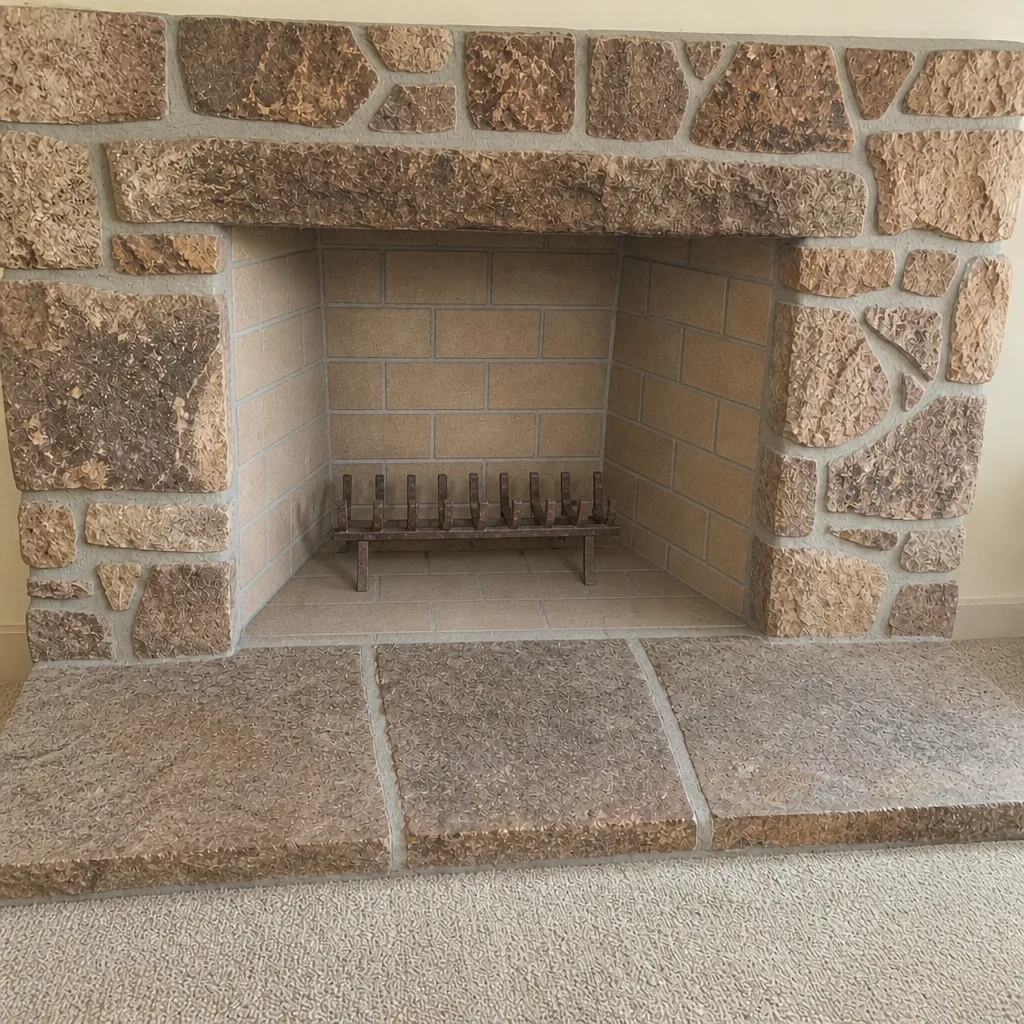
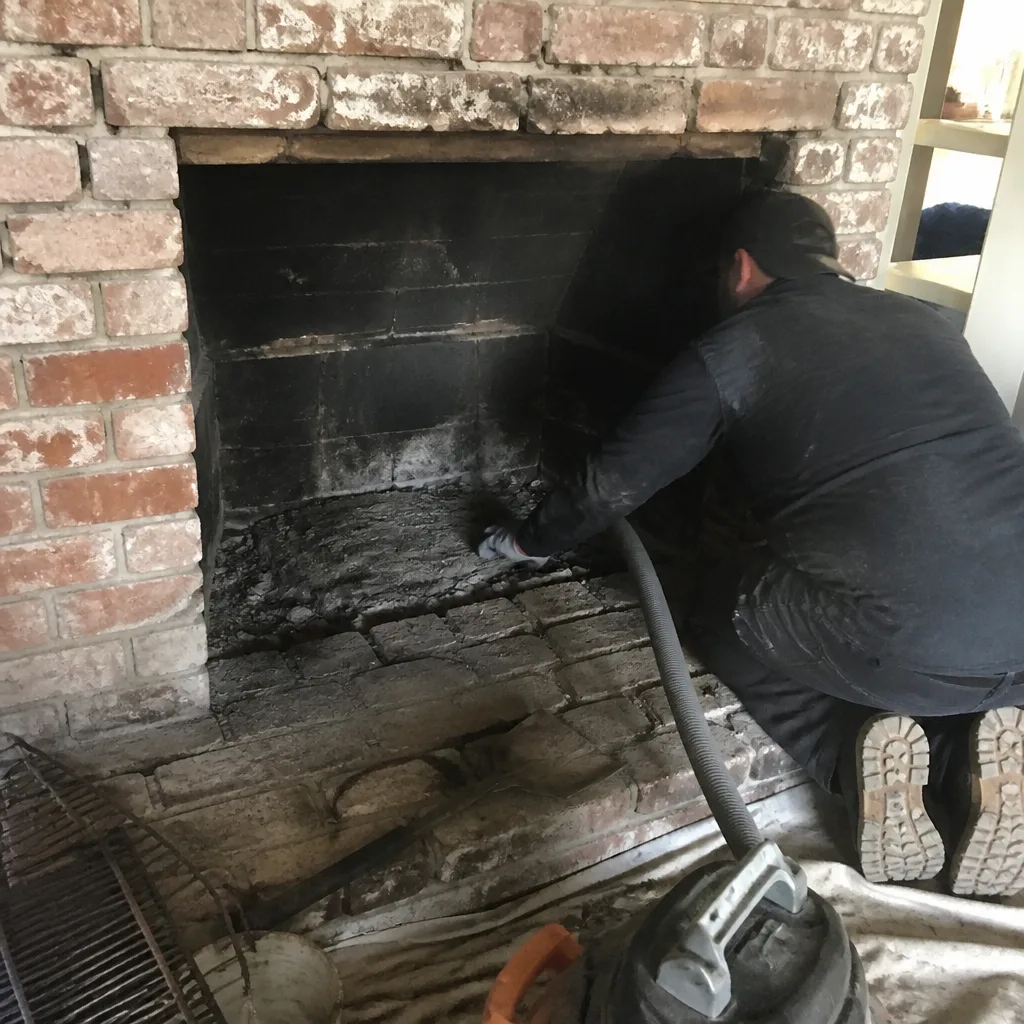
See the difference
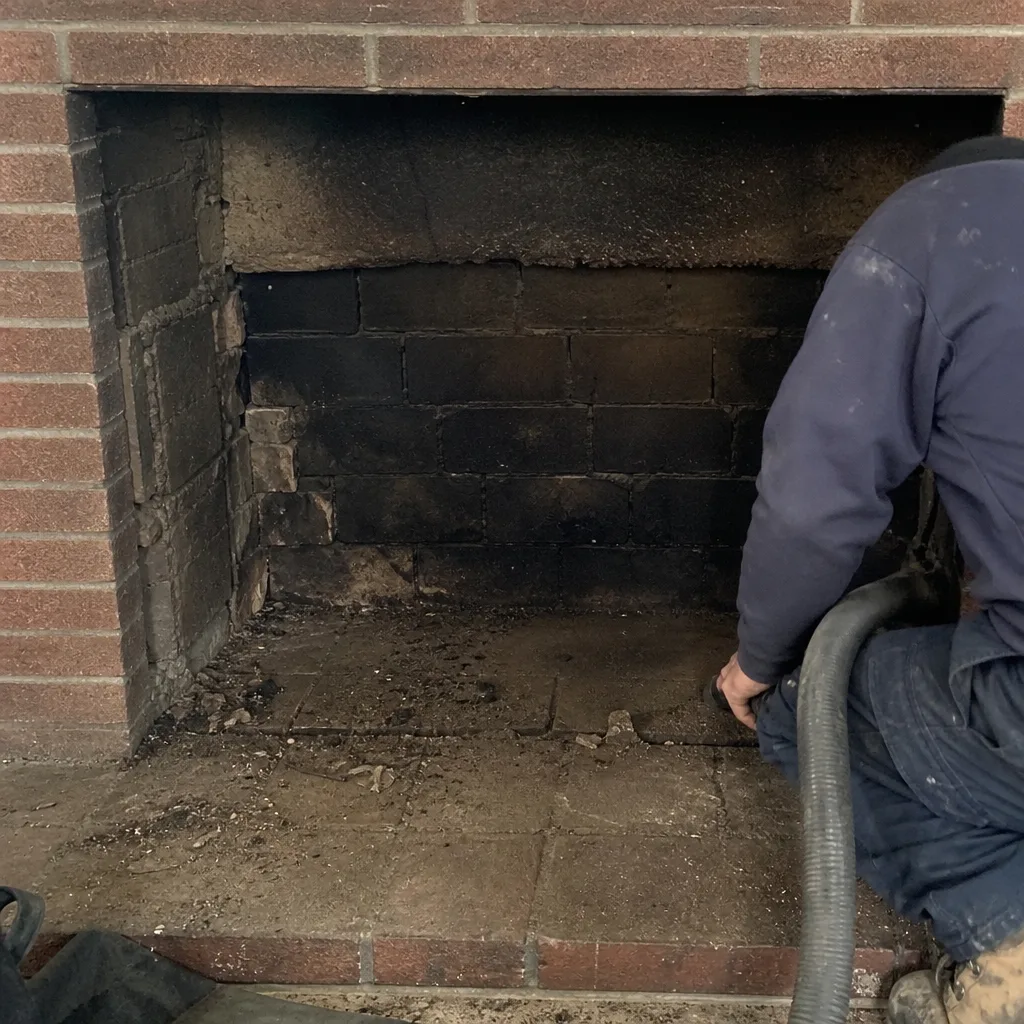 Before
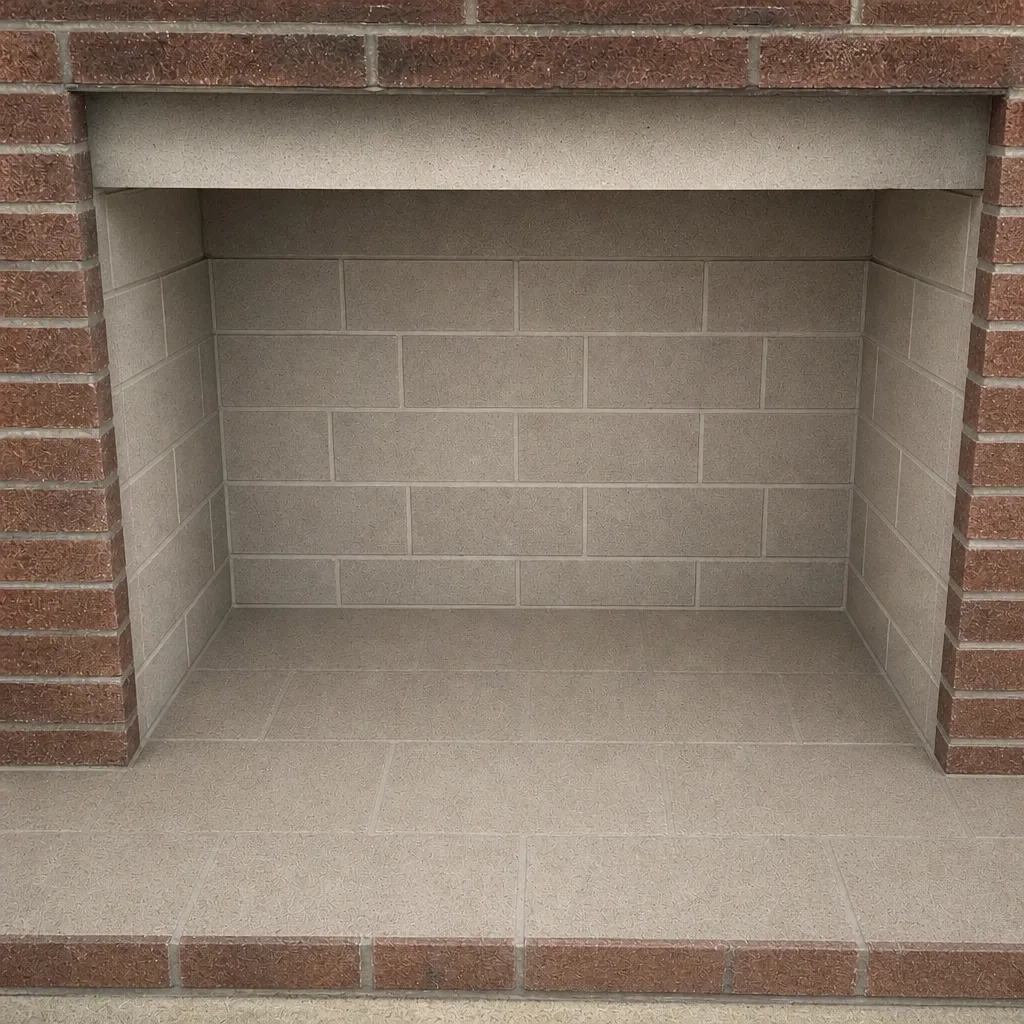 After
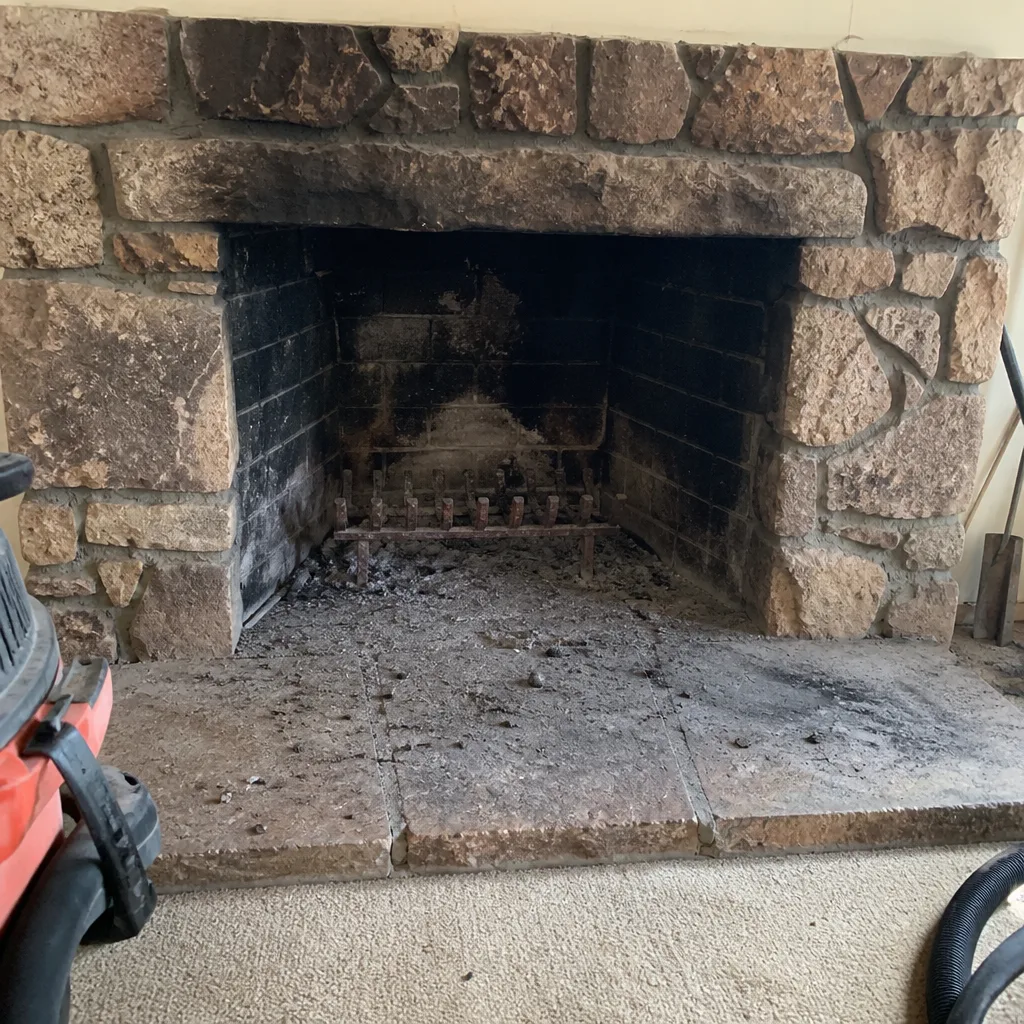 Before
 After
 Before
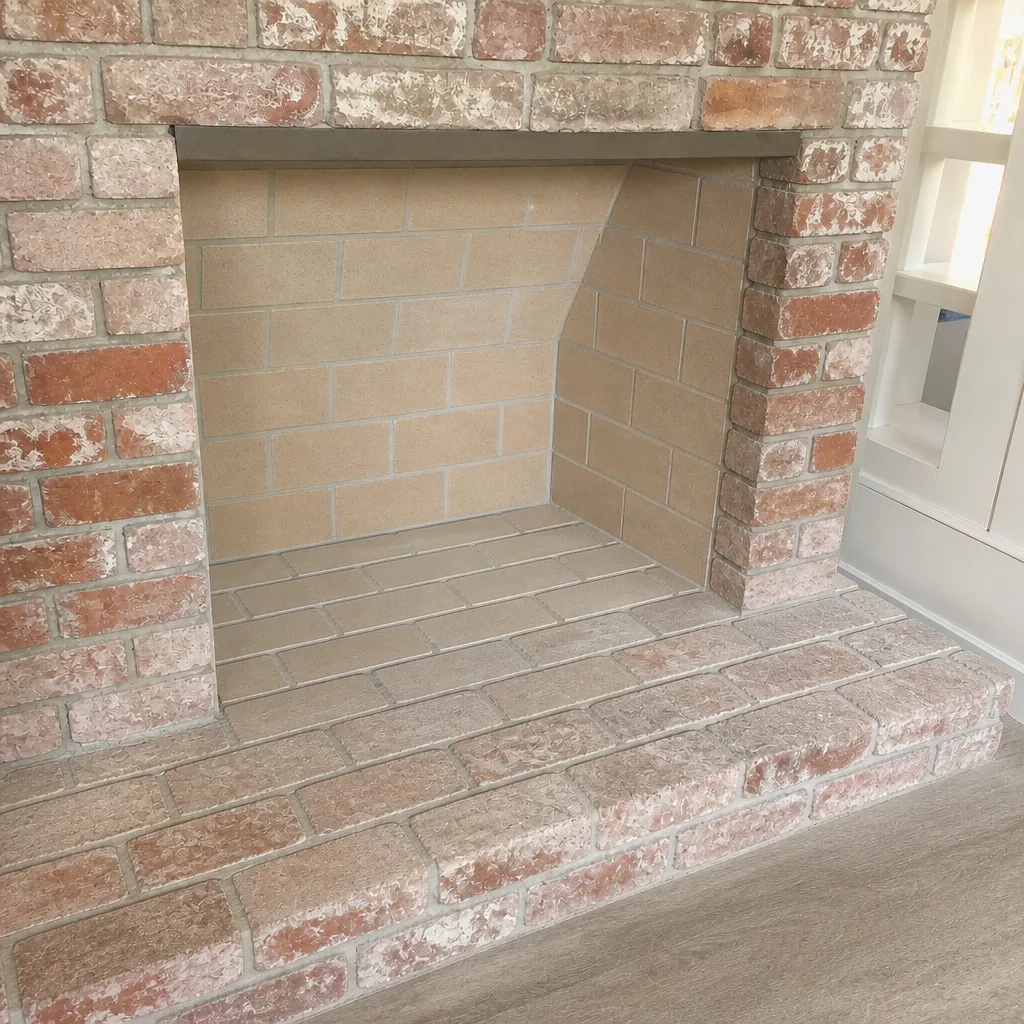 After
When to Call a Professional
Some items on this checklist are for you; some are for us. Call a professional when you can’t safely see the inside of the flue, when the damper or firebox shows damage, when the crown or flashing looks compromised, or when it’s simply been a year since the last sweep. Call right away if you smell gas, see soot falling into the firebox, or notice smoke backing into the room while a fire is lit; stop using the fireplace until it’s been checked. A camera inspection and a written report settle the question of what the chimney actually needs. Westchester Chimney Sweep Pros offers free estimates in Westchester, and we’ll tell you what your chimney actually needs, and what it doesn’t. Call (866) 490-9807. We answer 24/7. Fast dispatch from 7am to 7pm, Sunday through Friday.
Frequently Asked Questions
Usually once a year, timed in late summer or early fall before the first fire. On a low-use Westchester chimney the sweep itself is often light, but the annual visit is worth keeping because the inspection catches exterior and hardware issues before they become repairs. If you burn heavily or use wood as a main heat source, sweep more often and tell us your use pattern when you book. Call (866) 490-9807 for an exact quote on a sweep and inspection; estimates are free.
A pre-season check (late summer or early fall) gets the flue clean and confirms the whole system is ready before the first burn; a post-season check (after the last fire) catches what the burn season left behind and prepares the chimney for months of sun, salt air, and rain. Both are short, and together they bookend the year. The pre-season visit is the professional sweep and inspection; the post-season pass is mostly a light check you can do yourself, focused on the exterior and the damper.
You can safely do visual exterior checks, test the damper, and look at the firebox for visible cracks. You shouldn’t sweep the flue, inspect the flue interior, or do any repair work yourself, and you shouldn’t climb onto the roof. The interior of the flue and the smoke chamber need a camera and a trained eye, and height work is genuinely dangerous. The split keeps you informed without taking on risk. Call (866) 490-9807 to book an inspection with photos; estimates are free.
Westchester sits near the coast, so salt air reaches the chimney year-round and adds corrosion pressure on metal components like the damper, the cap, and connectors, and it can leave deposits that hold moisture against the masonry. Combined with strong sun exposure, it means the exterior needs more attention than a cold-climate checklist would give it. That’s why this checklist puts the exterior high on the list; checking mortar joints, spalling, and rust streaks each year catches the slow damage early. Call (866) 490-9807 to have the exterior assessed; estimates are free.
Look for cracks in the concrete crown at the top of the chimney, a cap that’s loose or missing, and flashing at the roofline that’s lifted, rusted, or separated. Any of those is a pathway for water, and water is the leading cause of serious chimney damage. A visual check from the ground each year is enough to spot the obvious signs; a professional inspection confirms the rest. Call (866) 490-9807 if you see a problem; estimates are free.
Photograph the exterior from a few fixed angles each year, keep every inspection report and set of photos, note the date and result of each sweep, log repairs with their dates, and record any change in how you use the fireplace. Comparing year to year shows whether the chimney is holding steady or slowly losing ground, which lets you plan repairs instead of facing emergencies. When it’s time for the annual visit, call (866) 490-9807; estimates are free.
The Bottom Line
A Westchester chimney needs a checklist built for mild-climate, low-to-moderate use, not a cold-weather template. That means an annual pre-season sweep and inspection with camera photos, a light post-season check focused on the exterior and damper, and a deliberate look at the often-missed interior items: the damper, smoke shelf, and firebox. Sun and salt air make the exterior the quiet threat, so cap, crown, and flashing checks belong on the list every year. Keep records so you can see the trend. When something needs a professional, get a camera inspection and a written report, and use a specialist who knows the materials. For a free estimate in Westchester, call (866) 490-9807. We answer 24/7. Fast dispatch from 7am to 7pm, Sunday through Friday. Learn more about Westchester Chimney Sweep Pros and the full scope of what we handle under one roof.
Written by the team at Westchester Chimney Sweep Pros.